East Bay College Town by the Bay
Welcome to Berkeley, the Alameda County city anchored by the University of California and set along the eastern shore of San Francisco Bay.
Berkeley sits on the eastern shore of San Francisco Bay in Alameda County, directly across the bay from the Golden Gate and roughly a dozen miles northeast of San Francisco. The city's identity is inseparable from the University of California, Berkeley, the flagship campus of the UC system, whose presence shapes the local economy, housing demand, and civic life. Lawrence Berkeley National Laboratory, located in the hills above campus, reinforces the city's role as a research and technology center. Founded in the late nineteenth century and named for the Irish philosopher George Berkeley, the city became a center of twentieth-century counterculture and political activism; the Free Speech Movement of the 1960s began on the campus's Sproul Plaza. That legacy of intellectual and cultural energy persists in independent bookstores, farmers' markets, and the celebrated food district on Shattuck Avenue often called the Gourmet Ghetto. Berkeley's geography moves from the flats of West Berkeley near the bay, through the commercial core around downtown and Shattuck Avenue, and up into the Berkeley Hills, where neighborhoods climb to wooded ridgelines with sweeping views of the bay and, on clear days, the Golden Gate Bridge. Roughly 124,000 residents live in the city, which draws a mix of university faculty and staff, graduate students, technology workers, artists, and long-established families. The largest employer is the university, but the city also hosts biotechnology firms, software companies, and a well-known artisan food scene. Its blend of walkable urban neighborhoods, hilltop open space, and direct transit access to San Francisco gives Berkeley a character distinct among Bay Area cities.
Berkeley is in Alameda County, on the eastern shore of San Francisco Bay in Northern California's East Bay region. The city lies roughly a dozen miles northeast of downtown San Francisco and is bordered by Albany, Emeryville, and Oakland.
Berkeley is best known as the home of the University of California, Berkeley, the flagship campus of the UC system. The city also carries a lasting association with the 1960s Free Speech Movement and a celebrated food scene centered on Shattuck Avenue's Gourmet Ghetto.
The Berkeley Unified School District (BUSD) serves the city's public schools, including Berkeley High School and a network of elementary and middle schools. The district enrolls roughly 9,000 students from transitional kindergarten through twelfth grade and is governed by an elected Board of Education.
BART's Downtown Berkeley station offers direct Red and Orange line service to San Francisco and Oakland, supplemented by AC Transit buses and the university's Bear Transit shuttles. The rail trip to downtown San Francisco takes roughly half an hour.
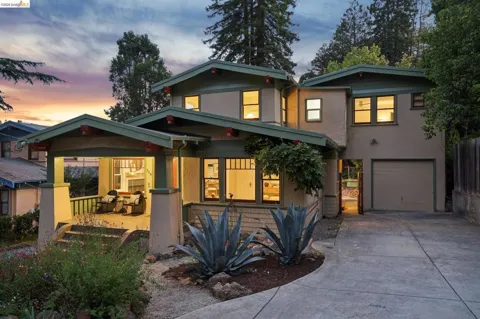
Major neighborhoods include North Berkeley, Elmwood, Claremont, Southside, West Berkeley, the Berkeley Hills, and Thousand Oaks. Each has a distinct character, from the hillside Craftsman homes of North Berkeley to the student-oriented streets near campus and the live-work spaces of West Berkeley.
City Guide
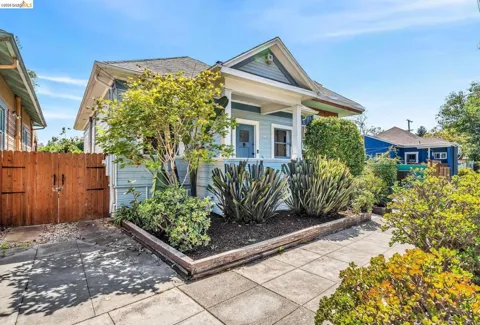
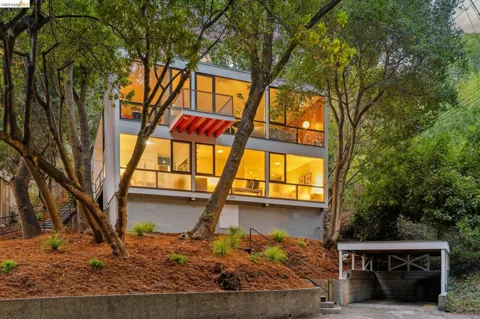
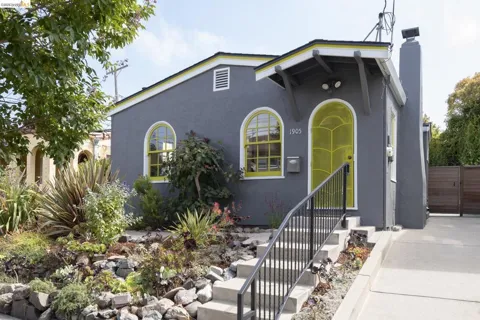
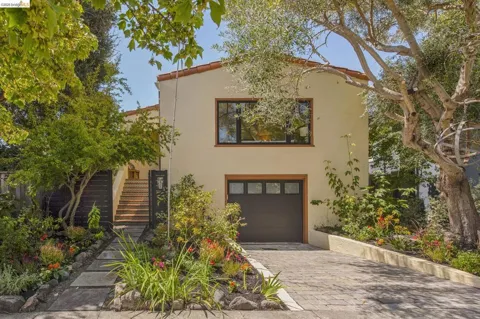
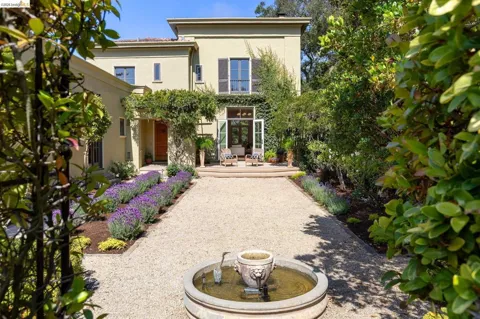
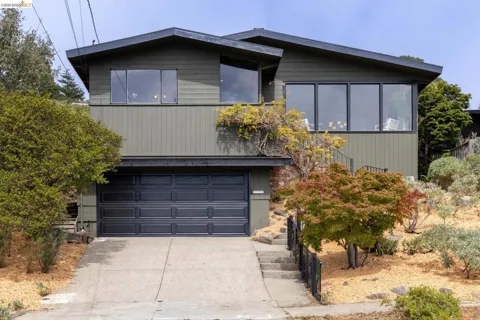
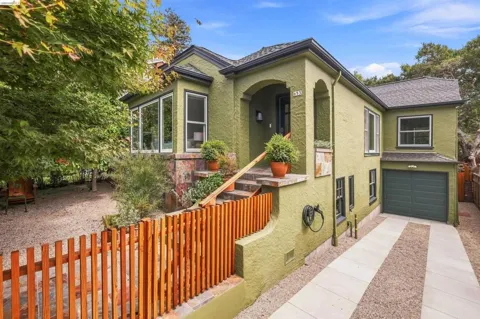
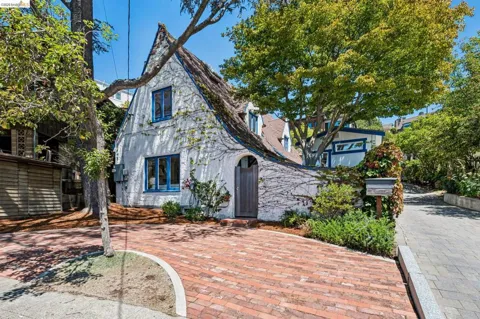
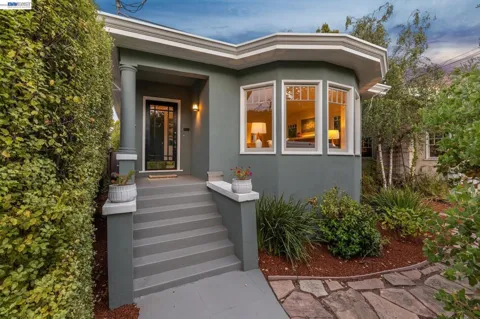
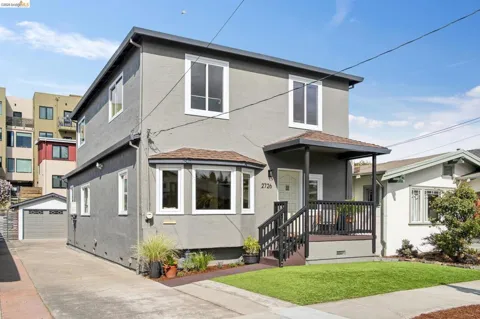
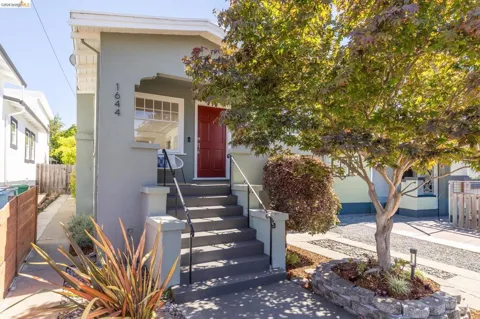
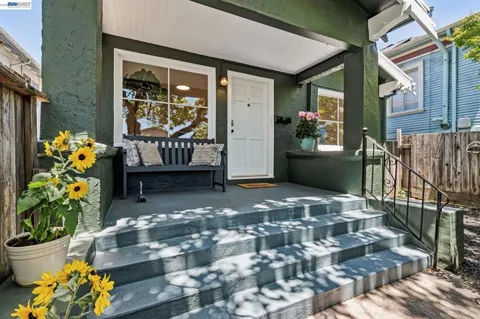
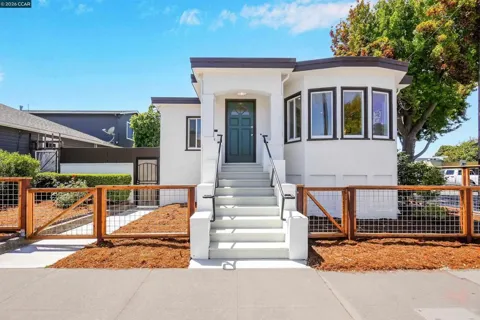
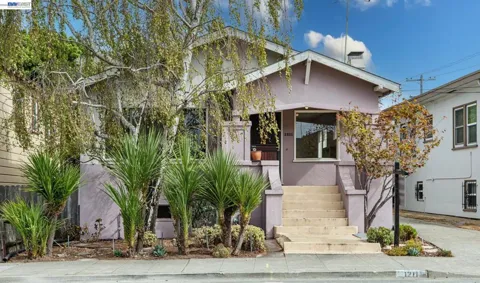
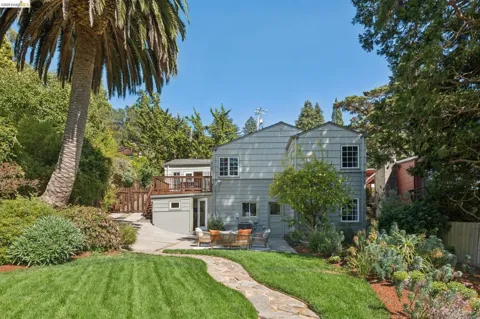
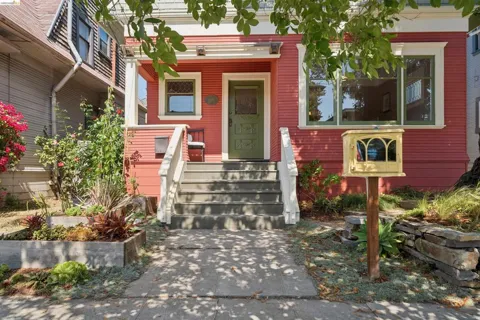
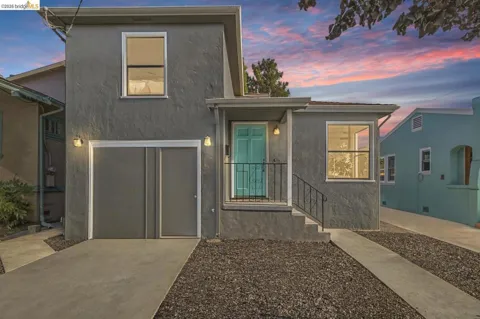
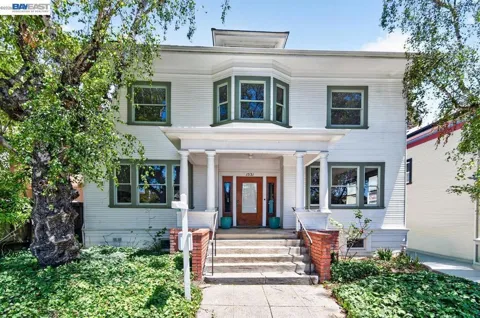
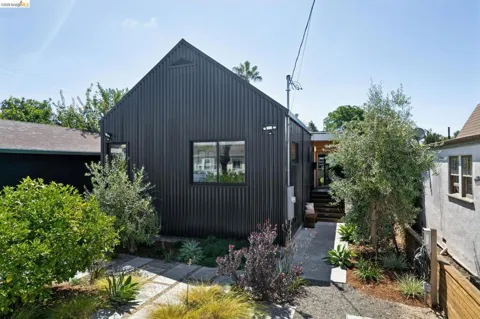
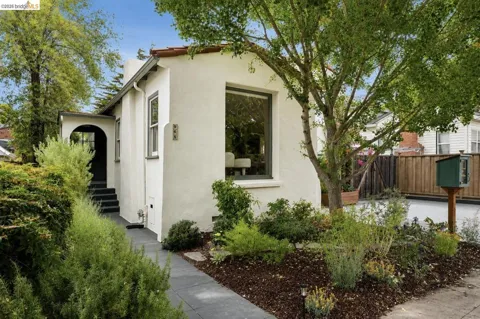
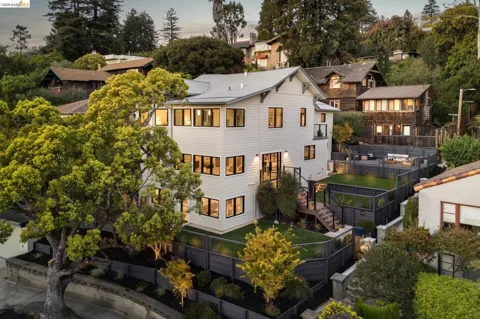
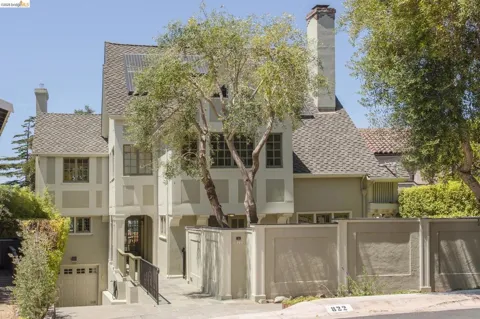
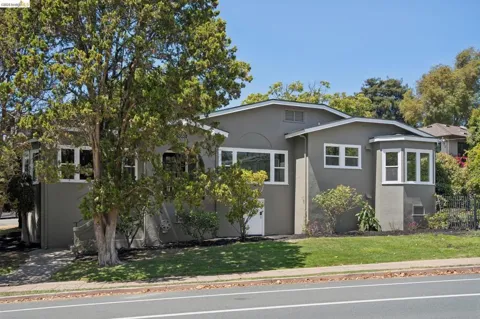
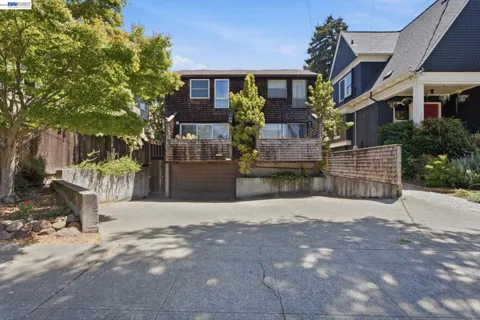
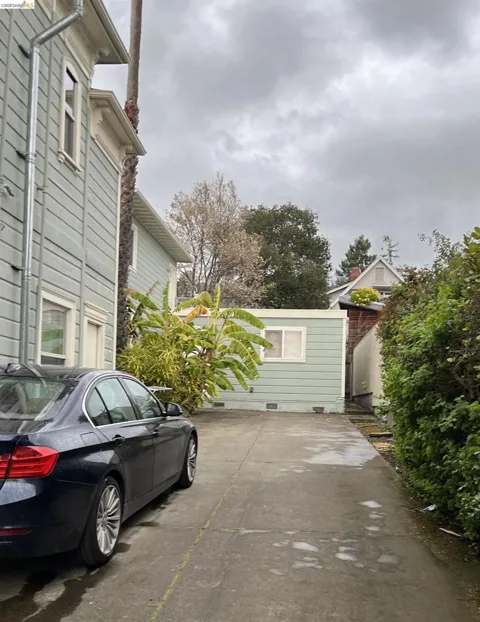
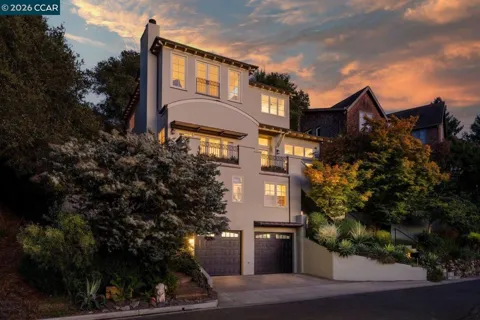
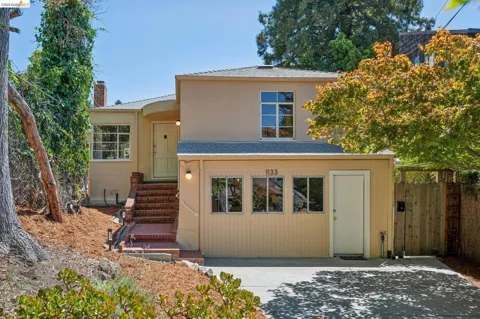
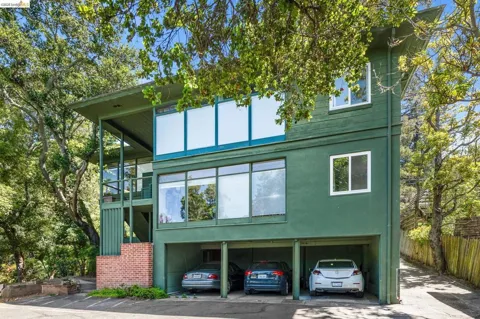
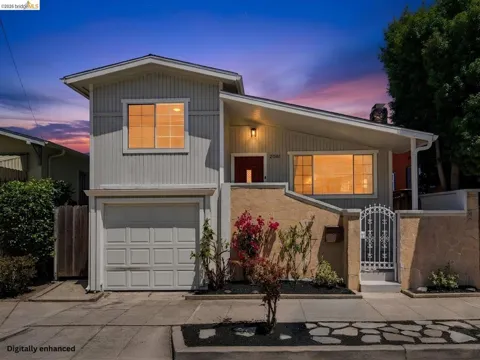
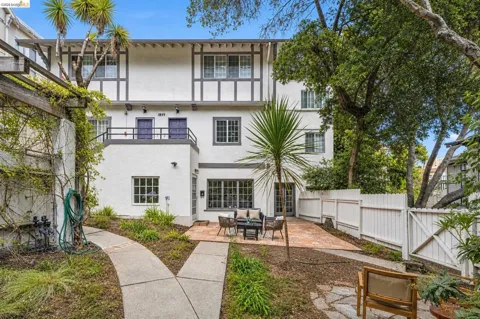
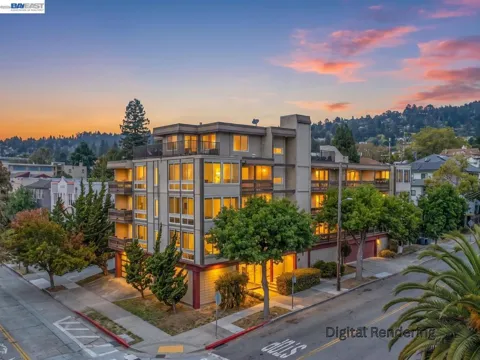
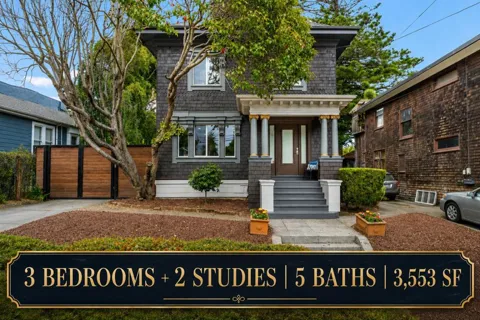
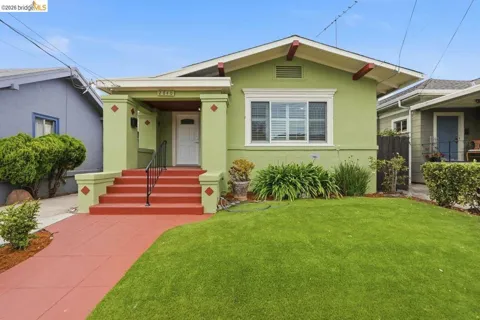
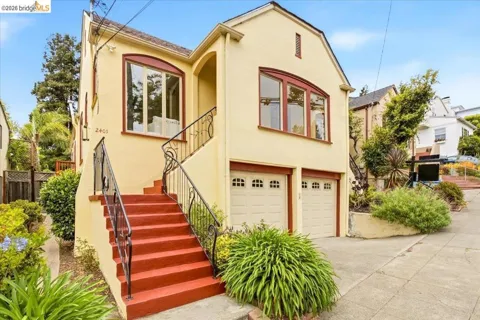
Berkeley's housing stock is among the most architecturally varied in the East Bay. The flatlands and older districts hold rows of Victorian-era homes and California cottages, while the North Berkeley hills are known for shingled Craftsman bungalows and brown-shingle houses associated with early twentieth-century architects Bernard Maybeck and Julia Morgan. Many of those hillside homes were built before 1940 and are prized for period detail and bay views. West Berkeley and the neighborhoods south of campus include a broader mix of bungalows, duplexes, and mid-century apartment buildings, with newer multifamily construction concentrated near downtown and along major transit corridors. Because much of the city was developed before World War II, older homes and smaller lots are common, and Berkeley's design review processes reflect a strong local emphasis on historic preservation.
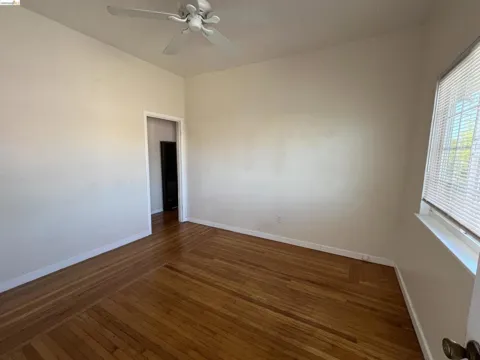
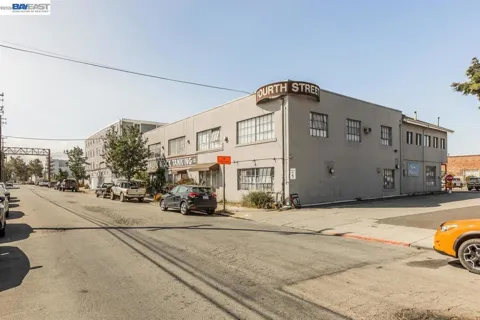
Berkeley's neighborhoods are often described in relation to the university. North Berkeley is known for its hillside streets, the Gourmet Ghetto's restaurants and shops, and grand older homes. Elmwood and Claremont, southeast of campus, offer walkable commercial districts and a concentration of Julia Morgan and Maybeck architecture. Southside, immediately below campus, is dominated by student housing and Telegraph Avenue's retail strip. West Berkeley, near the bay and the Fourth Street shopping district, mixes older industrial blocks with converted live-work spaces and newer housing. The Berkeley Hills and Thousand Oaks areas climb toward Tilden Regional Park, where winding streets offer some of the city's most dramatic bay and bridge views.
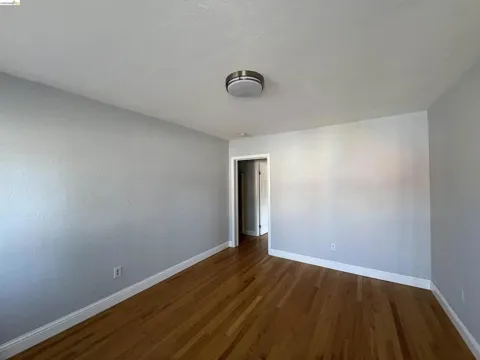
Berkeley's civic life revolves around the university, an active arts scene, and a food culture that helped define California cuisine. Shattuck Avenue's Gourmet Ghetto is home to institutions such as Chez Panisse and an array of bakeries, coffee roasters, and specialty markets, while the Fourth Street district offers independent retail in a walkable stretch near the waterfront. The downtown arts district includes theaters, live music venues, and Berkeley Repertory Theatre. Civic engagement is strong, and the city is known for progressive politics, an extensive farmers' market network, and a commitment to environmental and preservation causes that shape day-to-day life.
Public education in Berkeley is provided by the Berkeley Unified School District (BUSD), which serves the city with about 9,000 students from transitional kindergarten through high school. The district operates Berkeley High School and a network of elementary and middle schools, and it is governed by an elected Board of Education. Families also have access to independent schools concentrated in the Elmwood and Claremont areas. The university's presence enriches local education through partnerships, and the Lawrence Hall of Science in the hills offers hands-on science programming for children.
Berkeley is one of the East Bay's best-connected cities for transit. BART's Downtown Berkeley station sits on Shattuck Avenue, with the Red and Orange lines providing direct service to San Francisco, Oakland, and the wider Bay Area, and the North Berkeley and Ashby stations serve the northern and southern parts of the city. AC Transit operates an extensive bus network, and the university runs its own shuttle system for the campus community. Interstate 80 and State Route 13 provide freeway access, and the city's bike infrastructure and walkable street grid make car-free living practical in many neighborhoods.
Tilden Regional Park, a roughly 2,000-acre preserve in the hills east of town, is the city's signature outdoor destination, with nearly 40 miles of trails, Lake Anza for swimming, the Regional Parks Botanic Garden, a steam train, and a historic carousel. The Berkeley Marina and waterfront at the bay's edge offer sailing, kite-flying, and views of the Golden Gate, while Codornices Park, Indian Rock Park, and the Berkeley Rose Garden provide smaller neighborhood green spaces. Grizzly Peak Boulevard and the Bay Area Ridge Trail give hikers and cyclists access to ridgeline views across the entire bay.
MARKET SNAPSHOT
How homes have been selling here over the last 90 days.
Market data reflects closed sales over the last 90 days and is provided for informational purposes.
BROWSE BY ZIP
Browse listings by postal code in this area.