Birthplace of Silicon Valley
Welcome to Palo Alto, the Stanford-anchored Peninsula city whose research park and garage startups helped launch Silicon Valley.
Palo Alto is a charter city in northwestern Santa Clara County, California, occupying the San Francisco Peninsula between San Francisco Bay and the foothills of the Santa Cruz Mountains. Home to roughly 68,000 residents, it is one of the defining communities of Silicon Valley and the greater San Francisco Bay Area. The city takes its name from El Palo Alto — Spanish for "the tall stick" — a centuries-old coastal redwood that stands along San Francisquito Creek near the Caltrain tracks and marks a boundary between Palo Alto and neighboring Menlo Park. The city's identity is inseparable from Stanford University, whose large campus and endowment have shaped the Peninsula for more than a century. Leland and Jane Stanford founded the university in 1885 in memory of their son, and the surrounding community grew up around the campus. In 1951, Stanford and the city established the Stanford Research Park, widely considered the world's first university research park. The park has hosted generations of technology companies — including Hewlett-Packard, Tesla, SAP, and Broadcom among more than 150 tenants — and helped cement the region's reputation as a global center of innovation. Palo Alto's residential character is equally distinctive. Older neighborhoods such as Professorville, named for the Stanford professors who built homes there in the university's early years, preserve shingled and Craftsman-era houses, while Crescent Park offers wide, tree-lined streets and larger lots. Midtown and Barron Park provide a more family-oriented feel, and Downtown North places residents steps from the shops and restaurants along University Avenue. Residents enjoy an unusually rich mix of open space, from the 1,940-acre Baylands Nature Preserve along the bay to Foothills Park in the western hills. Caltrain's Palo Alto station and the U.S. 101 and Interstate 280 corridors connect the city to San Francisco to the north and San Jose to the south, while the Palo Alto Unified School District is among the region's most sought-after. The result is a city that blends academic prestige, technology employment, and a leafy, established residential character.
Palo Alto is in Santa Clara County, California, in the northwestern part of the county on the San Francisco Peninsula. It sits between San Francisco Bay and the Santa Cruz Mountains foothills.
Palo Alto is known as the home of Stanford University and as a birthplace of Silicon Valley. The Stanford Research Park, established in 1951, helped launch the region's technology industry, and the garage where Hewlett-Packard began still stands in the city.
Palo Alto is served by the Palo Alto Unified School District, which operates about 19 schools and is consistently ranked among California's strongest public systems. It includes two comprehensive high schools serving the entire city.
Palo Alto lies about thirty-five miles south of San Francisco and roughly seventeen miles northwest of San Jose. Caltrain provides direct commuter rail service to both cities, and U.S. 101 and Interstate 280 serve drivers.
The name Palo Alto means 'tall stick' or 'tall tree' in Spanish. It refers to El Palo Alto, a centuries-old coastal redwood that stands along San Francisquito Creek near the city's railroad tracks.
City Guide
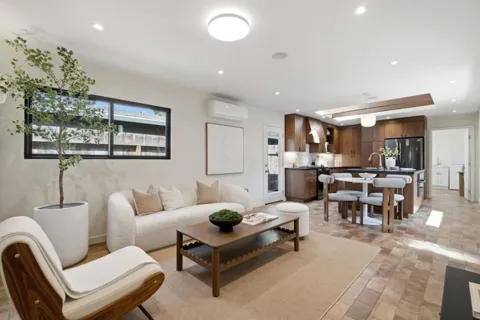
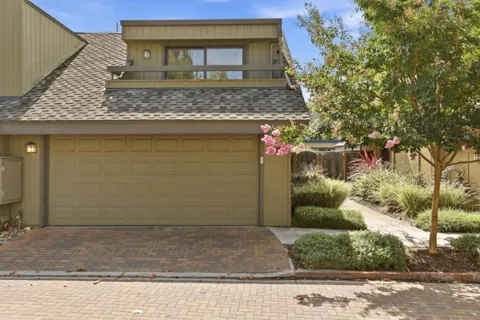
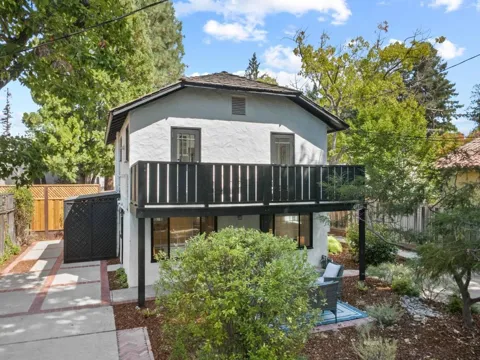
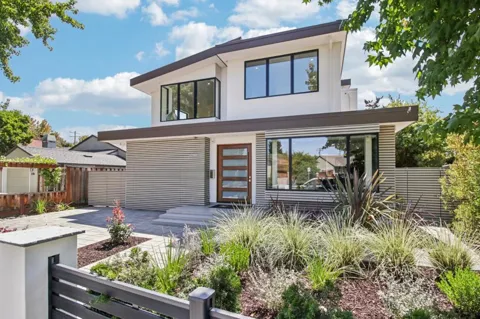
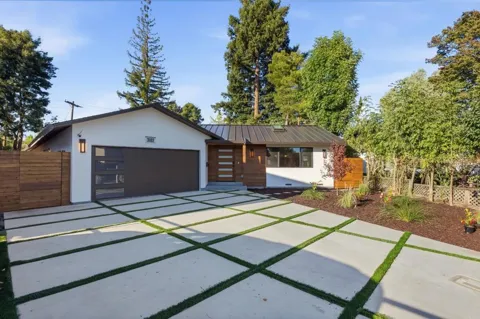
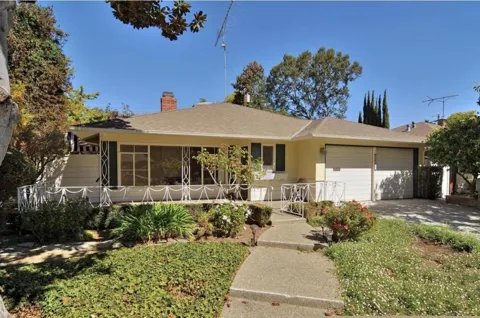
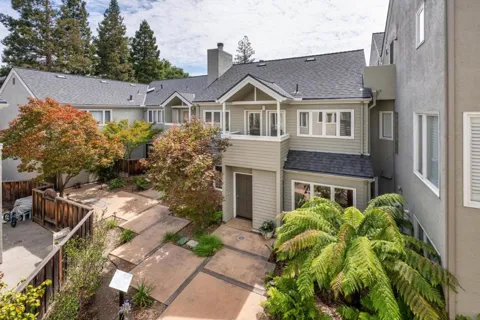
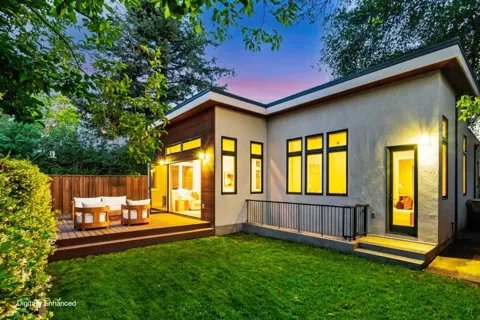
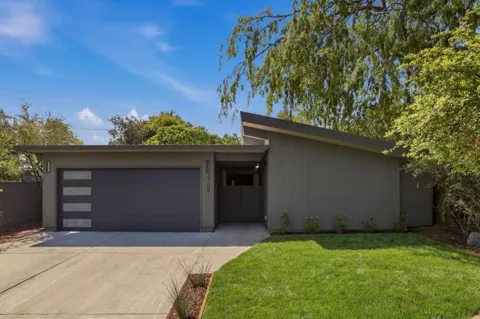
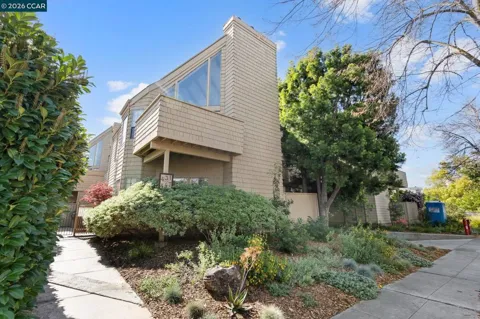
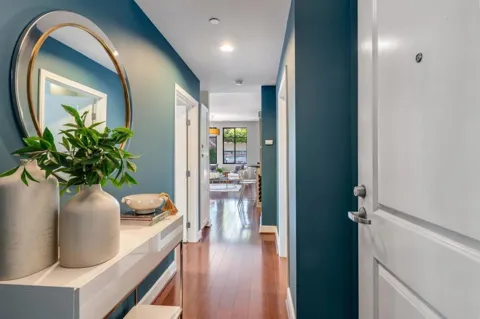
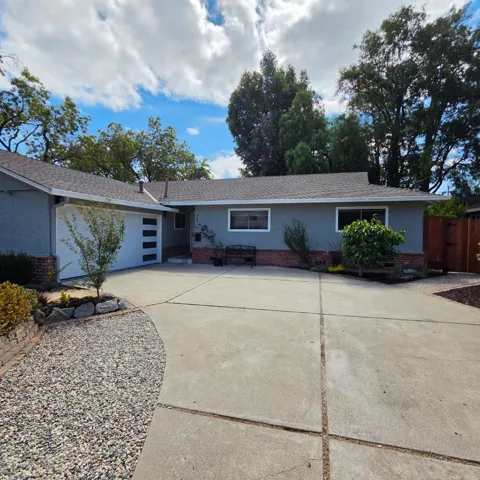
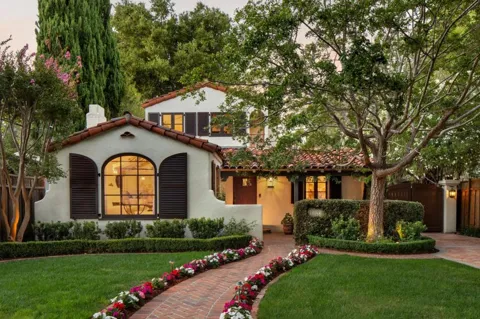
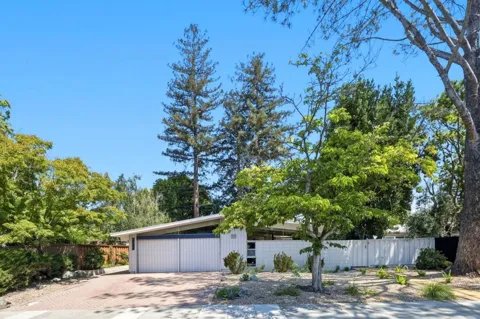
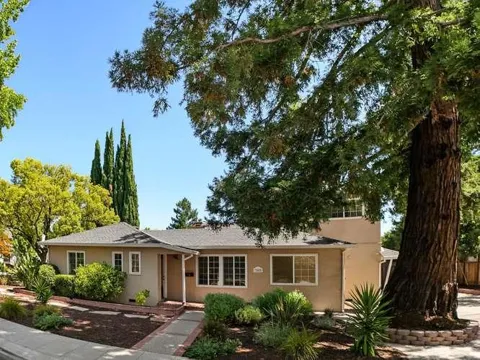
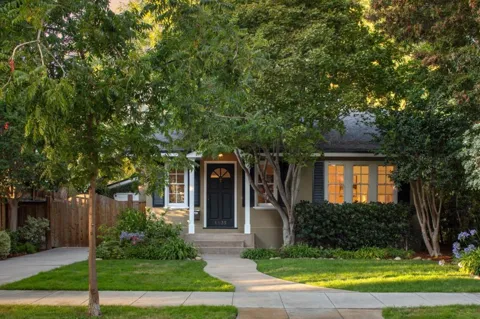
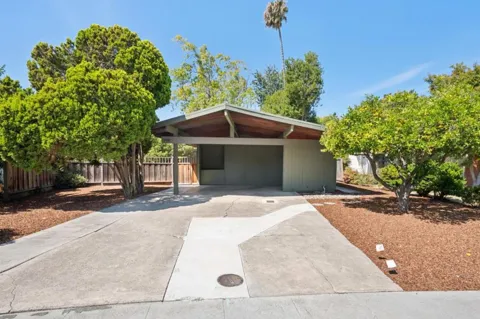
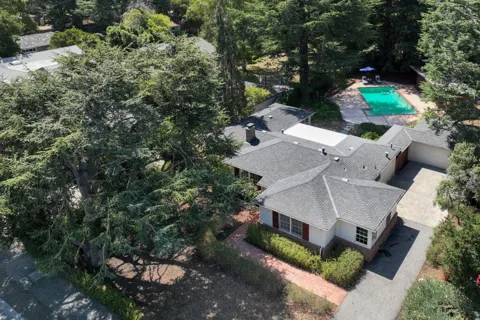
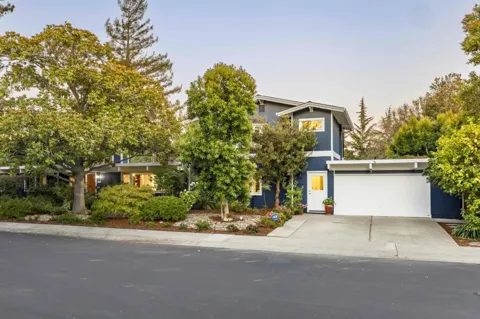
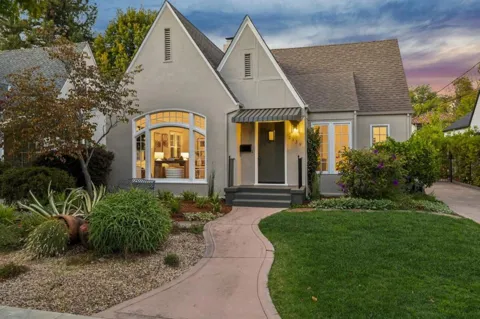
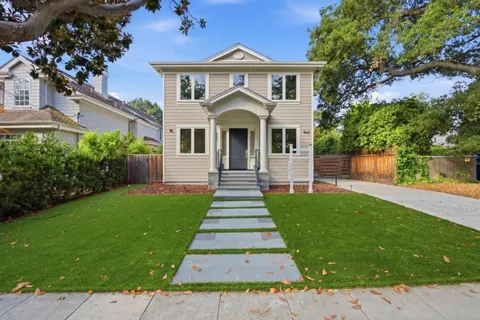
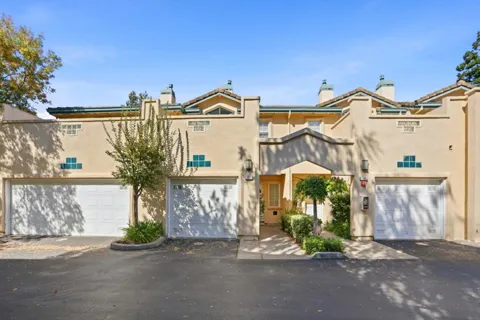
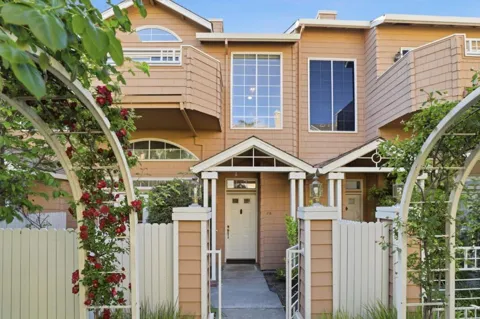
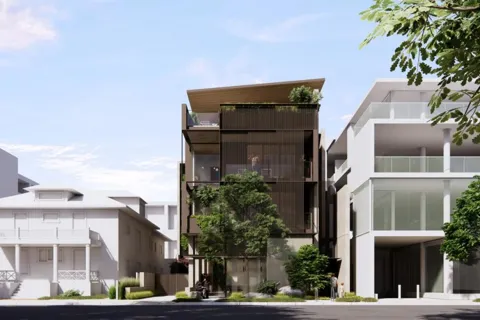
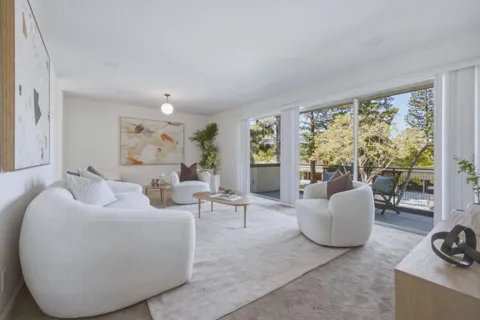
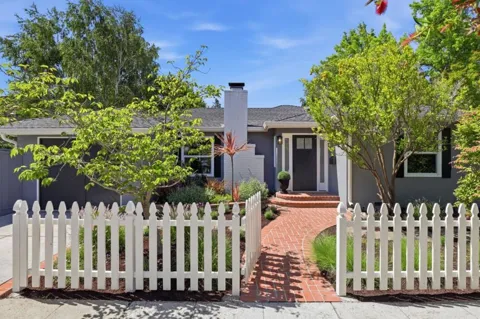
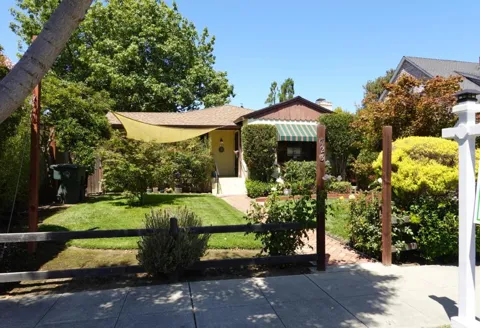
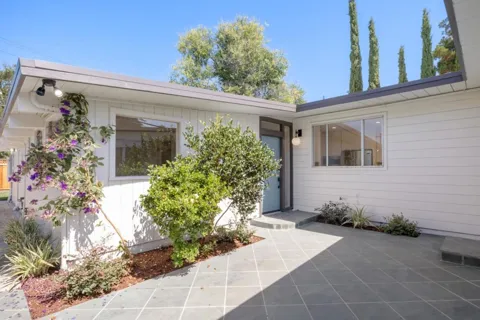
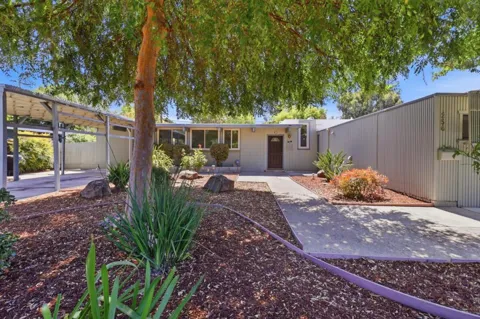
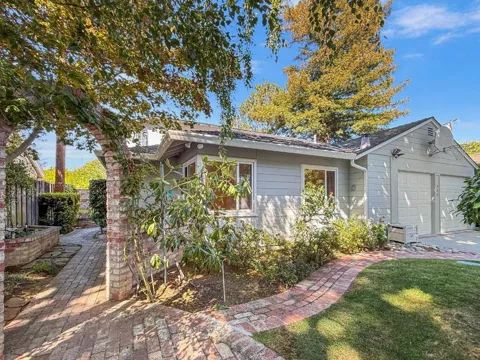
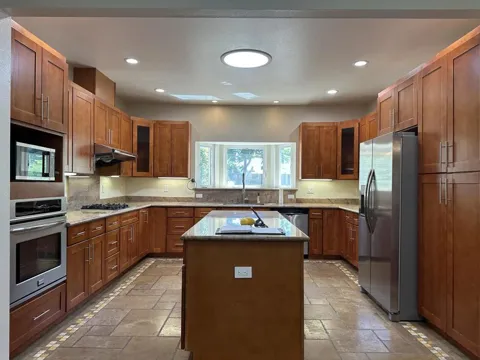
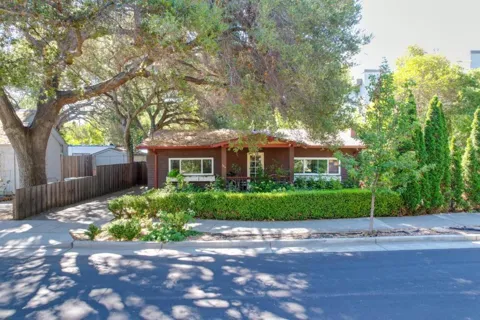
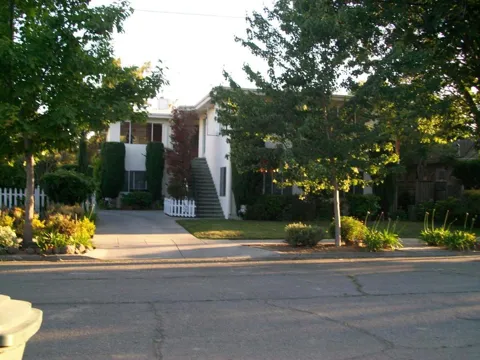
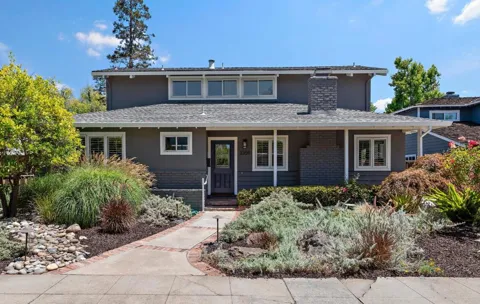
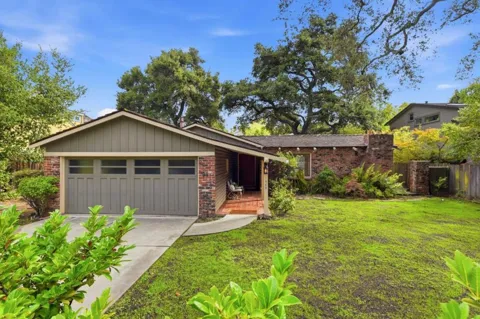
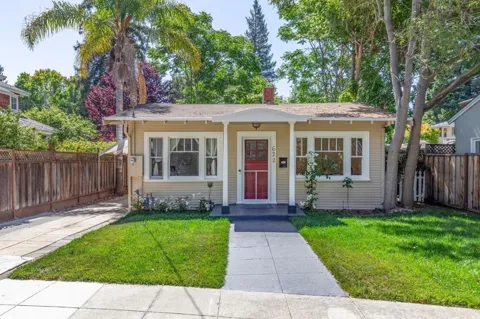
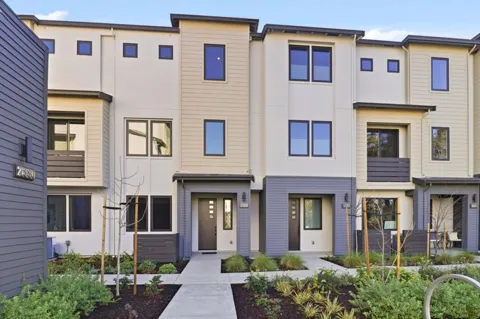
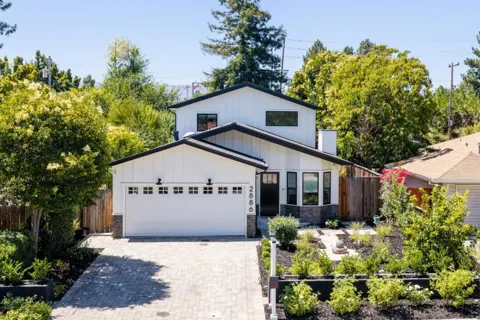
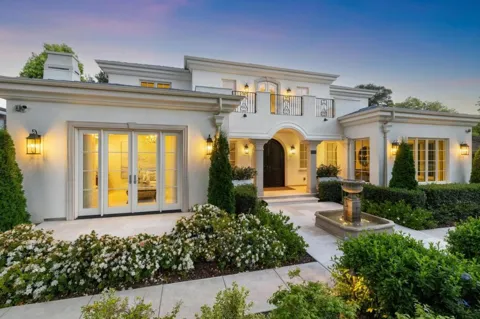
Palo Alto's housing stock is among the most storied on the Peninsula. Older neighborhoods hold early-twentieth-century homes, including the shingled and Craftsman residences of the Professorville historic district and the larger-lot houses of Crescent Park, while Midtown, Barron Park, and other mid-century areas offer ranch-style homes on generous lots. Newer construction appears mainly as infill on existing parcels. The market is overwhelmingly single-family and owner-occupied, and the city's combination of Stanford, top-ranked schools, and technology employment has made its housing some of the most sought-after in the Bay Area. Character, rather than volume, defines the local market.
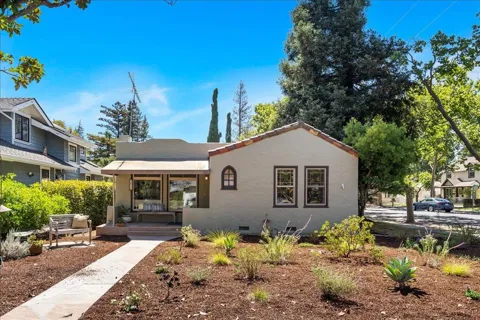
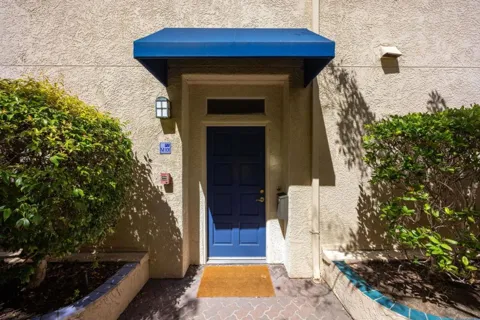
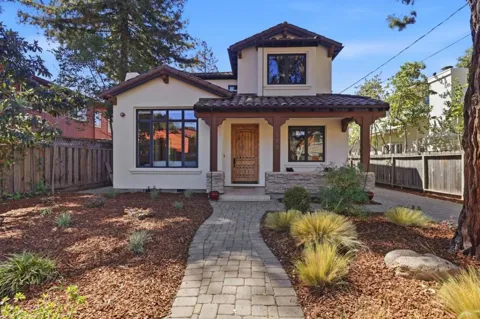
Palo Alto's neighborhoods are varied and well-defined. Professorville, a designated historic district near the university, is named for the Stanford professors who built many of its early-twentieth-century homes. Crescent Park is known for wide streets, mature trees, and larger lots, while Old Palo Alto and Downtown North place residents near University Avenue's shops and dining. Midtown and Midtown West center on California Avenue and its Caltrain station, and Barron Park, College Terrace, and Greenmeadow extend toward the city's southern and western edges. Together these districts give Palo Alto a range of established, leafy streets that appeal to families, academics, and technology professionals alike.
Palo Alto blends small-town ease with the energy of a global innovation hub. University Avenue and California Avenue anchor two walkable commercial districts of restaurants, cafés, bookstores, and shops, while Stanford brings lectures, performances, museums, and collegiate sports to the doorstep. The city's intellectual and entrepreneurial culture runs deep, and residents include a high concentration of academics, engineers, founders, and investors. Weekends often involve farmers markets, hiking in the foothills, or cycling through the Baylands. It is a cultivated, outdoors-oriented lifestyle shaped as much by the university and the hills as by the technology economy that grew up around them.
Palo Alto is served by the Palo Alto Unified School District, which operates roughly 19 schools and is consistently ranked among California's strongest public systems. The district's elementary, middle, and high schools — including two comprehensive high schools — draw families from across the city and reinforce Palo Alto's reputation as an education-focused community. Stanford University sits at the city's core, and the surrounding region offers additional higher-education institutions, including community colleges and the University of California and California State University systems within commuting distance. The proximity of world-class higher education is a defining feature of life in Palo Alto.
Palo Alto is a major stop on the Caltrain corridor, with stations at University Avenue and California Avenue providing commuter rail service north to San Francisco and south through Silicon Valley to San Jose. U.S. Highway 101 runs along the eastern edge of the city, and Interstate 280 follows the western hills, while El Camino Real serves as the central boulevard. Palo Alto is also a hub for regional bus service and bike commuting. The city's airports are San Francisco International, San Jose Mineta International, and Oakland International, each within a drive, giving residents broad access to domestic and international flights.
Palo Alto offers an exceptional network of parks and open space. The 1,940-acre Baylands Nature Preserve along San Francisco Bay protects one of the largest remaining tracts of undisturbed marshland in the region, with miles of multi-use trails for walking, running, and birding. To the west, Foothills Park in the Santa Cruz Mountains offers wooded trails, a lake, and ridgeline views and is a centerpiece of the city's park system. Between the two, neighborhood parks, playing fields, and the Stanford campus provide daily recreation. The nearby Stanford Dish loop and regional trails extend the options into the surrounding hills.
MARKET SNAPSHOT
How homes have been selling here over the last 90 days.
Market data reflects closed sales over the last 90 days and is provided for informational purposes.
BROWSE BY ZIP
Browse listings by postal code in this area.