San Fernando Valley Community
Welcome to Reseda, a central San Fernando Valley neighborhood of Los Angeles with suburban roots, strong transit links, and an easygoing residential character.
Reseda is a neighborhood in the central San Fernando Valley region of Los Angeles, California. Bounded roughly by the communities of Tarzana, Winnetka, Northridge, and the Sepulveda Basin, it occupies about six square miles of the Valley floor along Sherman Way, one of the area's principal east-west thoroughfares. The community was founded in 1912, and its early decades were defined by agriculture; the name Reseda was first applied to a railroad siding before being transferred to the Pacific Electric "Red Cars" line that sped development after the Los Angeles Aqueduct was built. Following World War II, Reseda became one of the San Fernando Valley's first true suburbs, as large farms were divided into smaller lots and developed for returning service members and their families. That mid-century building boom gave Reseda much of its housing stock—modest single-family homes on tree-lined streets alongside garden apartments—and established its identity as a working- and middle-class Valley community. Reseda sits within the city of Los Angeles and is served by LAUSD schools, including Reseda Charter High School, whose campus hosts several small themed academies and magnets. The neighborhood is also closely tied to the Valley's transit network: the Metro G Line busway (formerly the Orange Line) has a station serving Reseda, and the US-101 freeway runs nearby. The neighborhood was affected by the 1971 Sylmar and 1994 Northridge earthquakes, events that reshaped parts of its built environment and led to rebuilding. Today Reseda is known as a relatively affordable, diverse, and unpretentious corner of the Valley, with a mix of longtime residents, families, and renters drawn by its central location and improving transit access. Its commercial corridors along Sherman Way and Reseda Boulevard are lined with local restaurants, markets, and services that reflect the Valley's multicultural character.
Reseda is a neighborhood within the city of Los Angeles, in the central San Fernando Valley region of Los Angeles County, California. It was founded in 1912 and developed as one of the Valley's earliest suburbs, though it has never been a separately incorporated city.
Reseda is served by the Los Angeles Unified School District. The neighborhood's anchor secondary campus is Reseda Charter High School, which houses several small academies and magnets, including a college-preparatory academy and arts, media, and entertainment programs.
Reseda is known as one of the San Fernando Valley's earliest suburbs, founded in 1912 and built out with post-war single-family housing. Its name, derived from a plant, was first applied to a railroad siding before becoming the community's identity.
Yes. The Metro G Line (formerly the Orange Line) bus rapid transit route has a station serving Reseda, providing cross-Valley service with connections to the Metro rail system. The US-101 freeway also passes nearby, and Reseda Boulevard is a major arterial.
Reseda Park and Recreation Center on Victory Boulevard offers a lake, ballfields, playgrounds, and picnic areas, while nearby Lake Balboa Park provides a larger lake, walking paths, sports facilities, and open space along the Sepulveda Basin.
City Guide
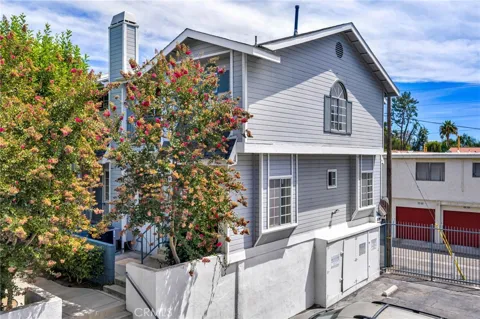
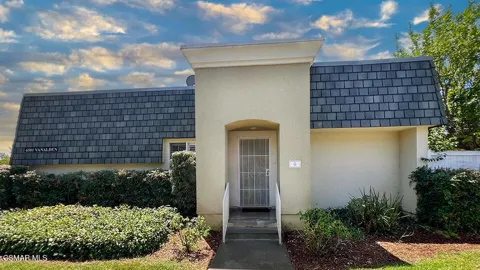
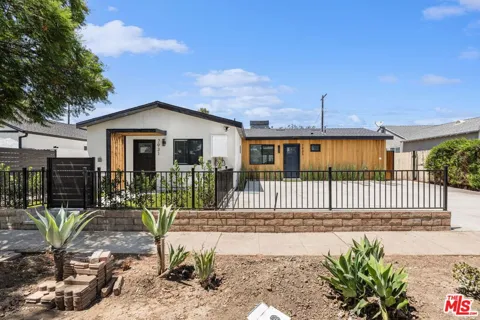
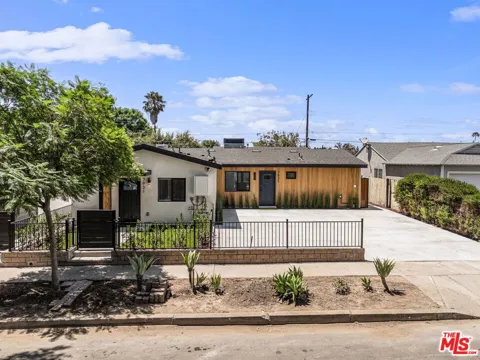
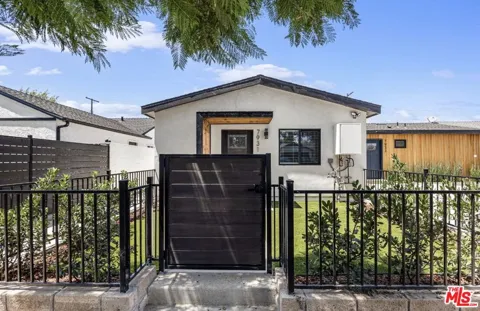
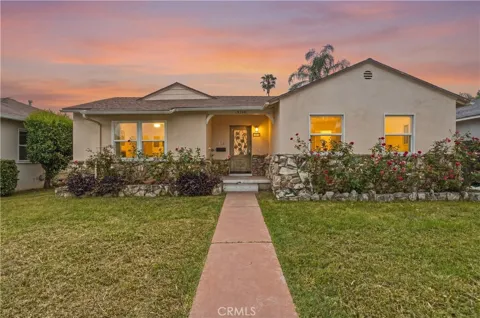
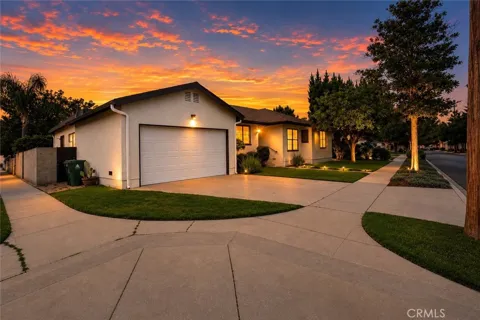
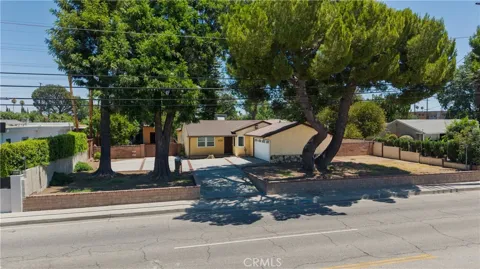
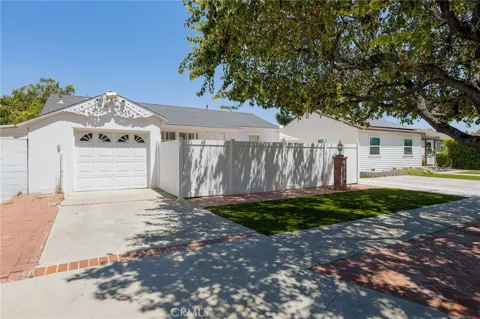
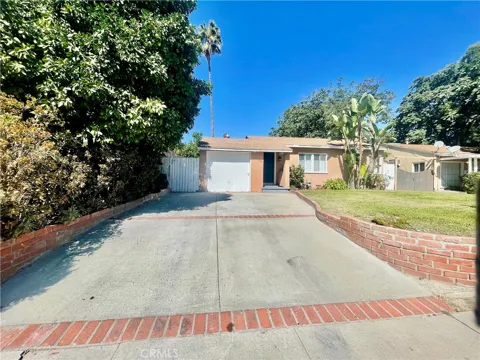
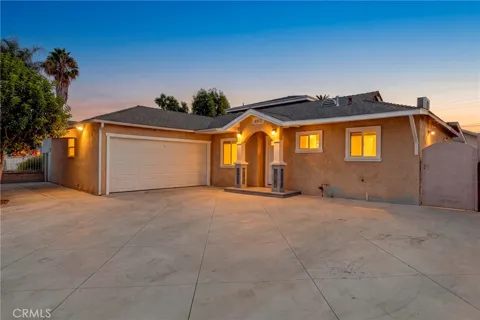
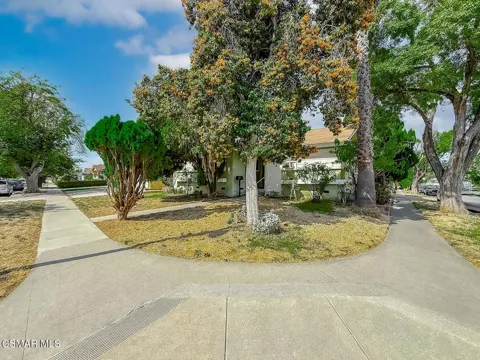
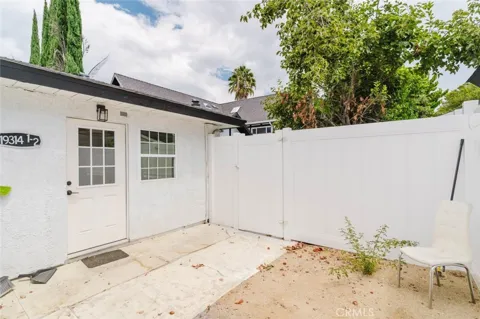
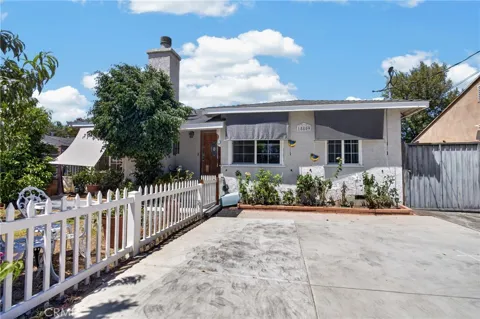
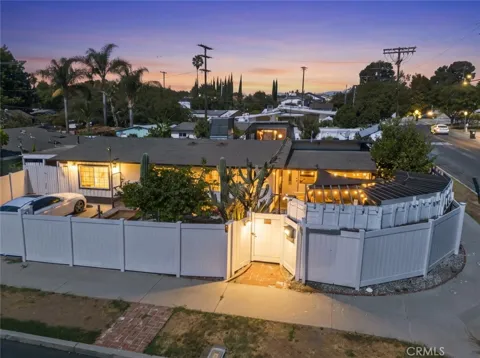
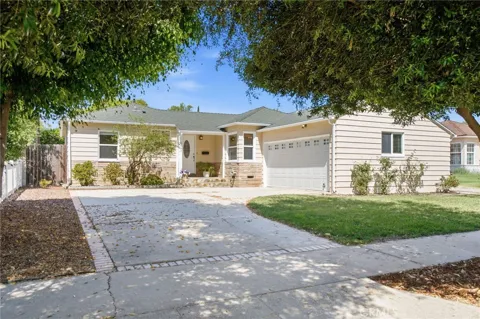
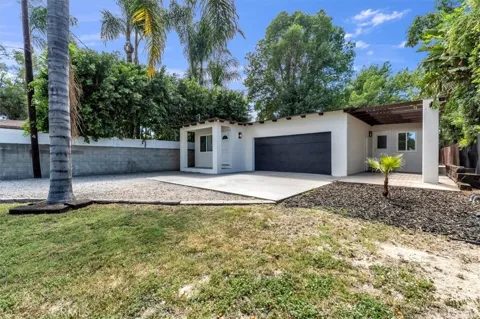
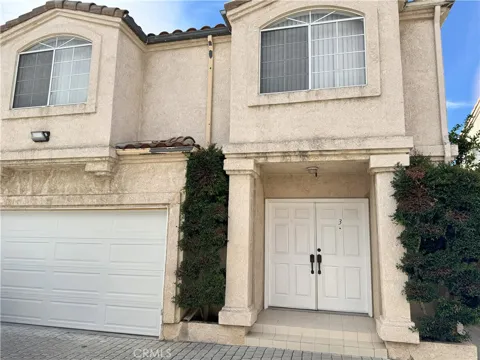
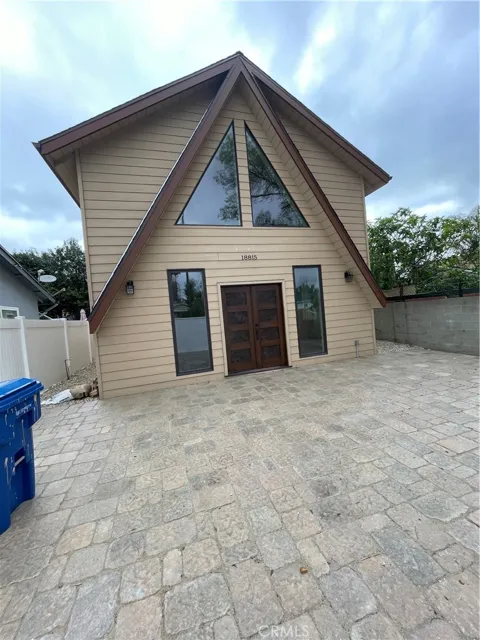
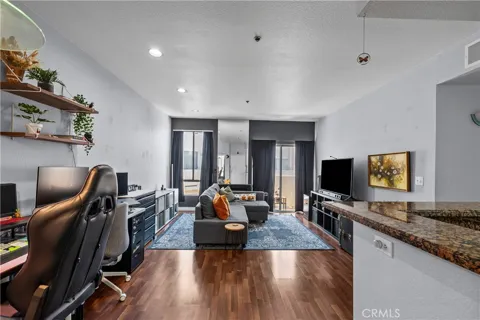
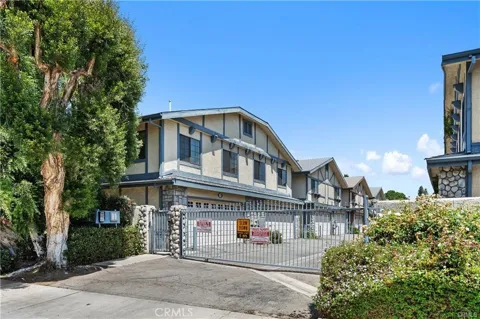
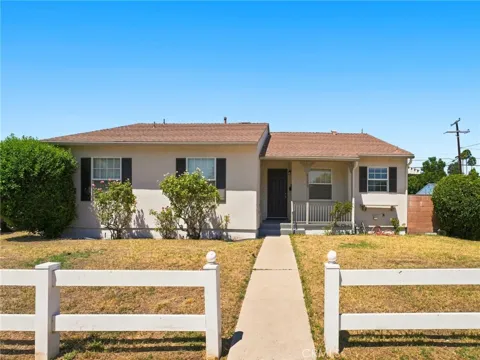
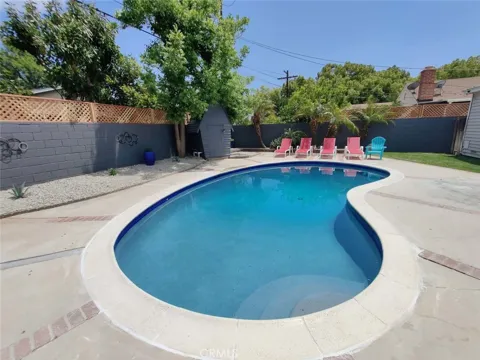
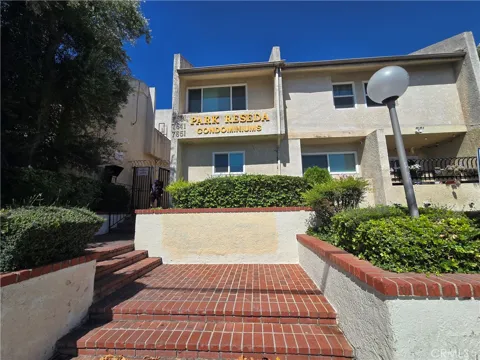
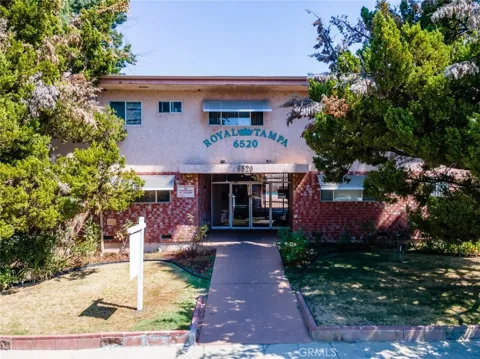
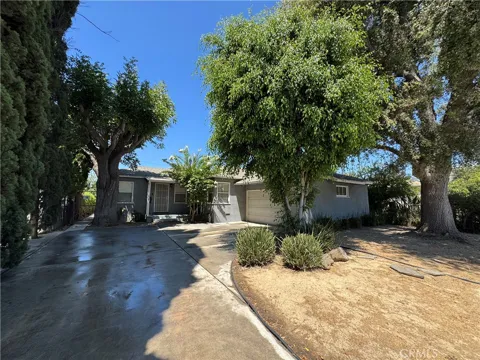
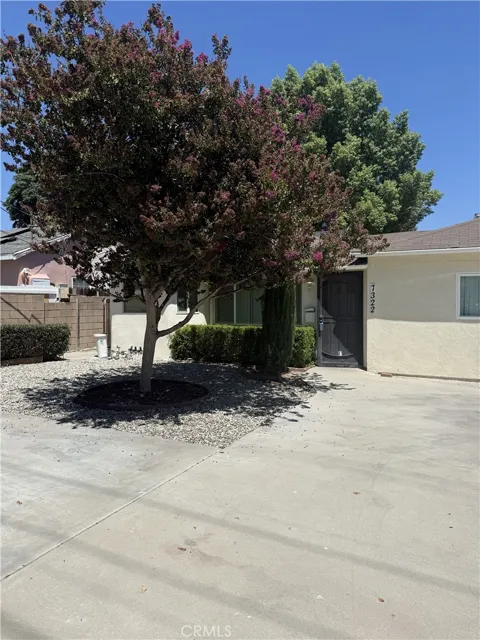
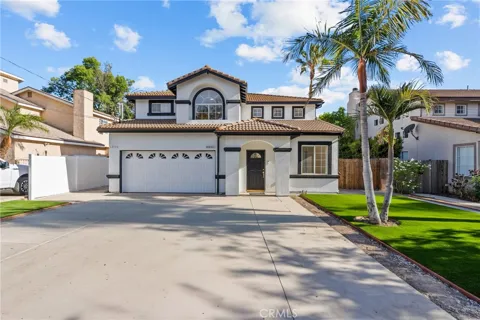
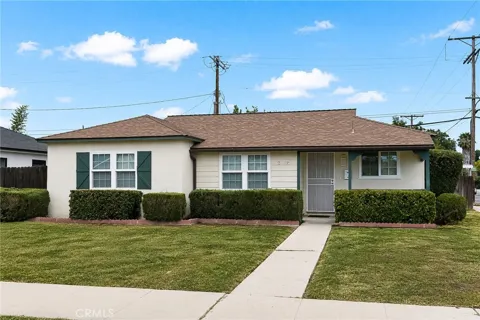
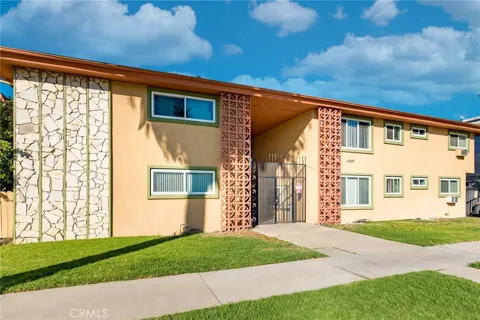
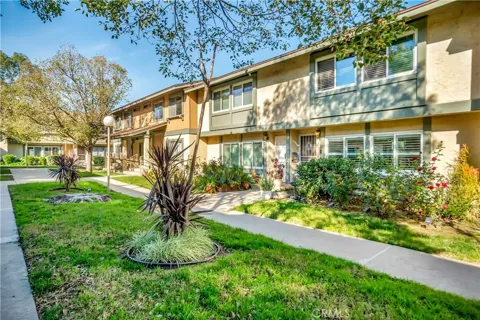
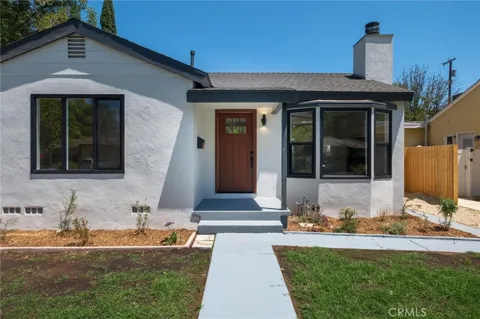
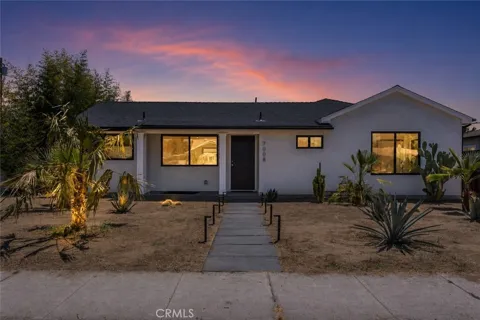
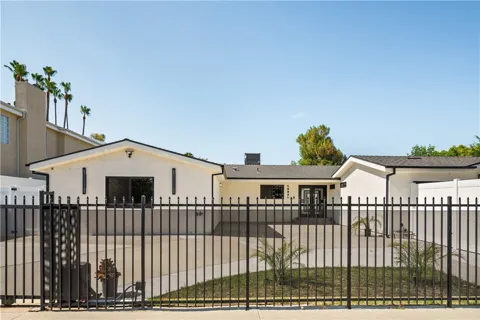
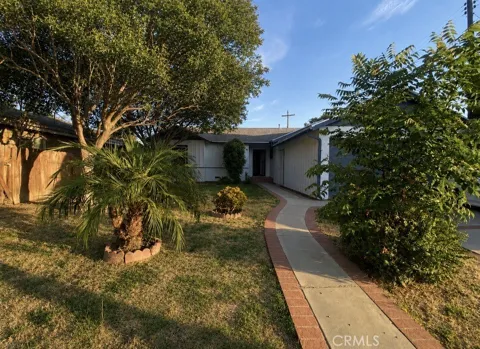
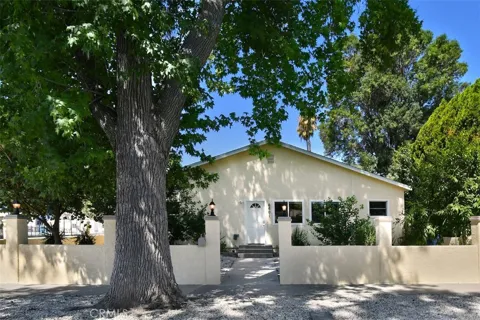
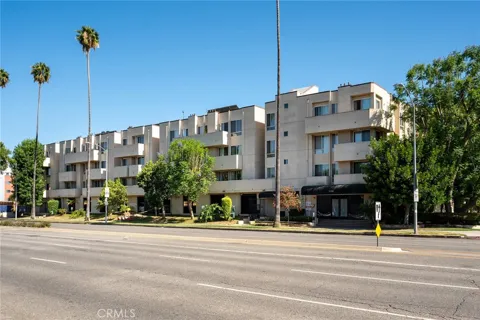
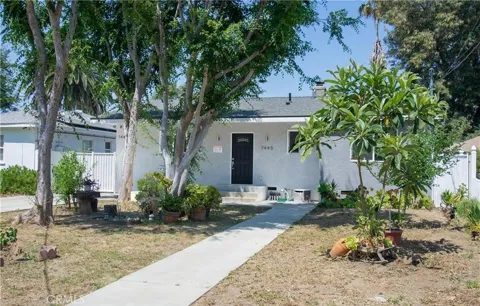
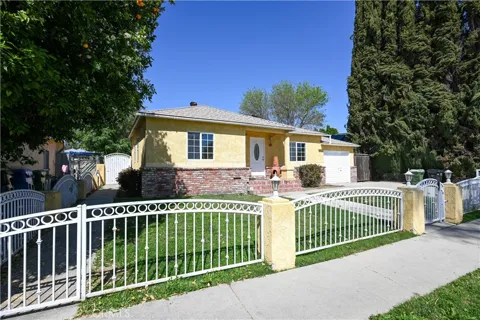
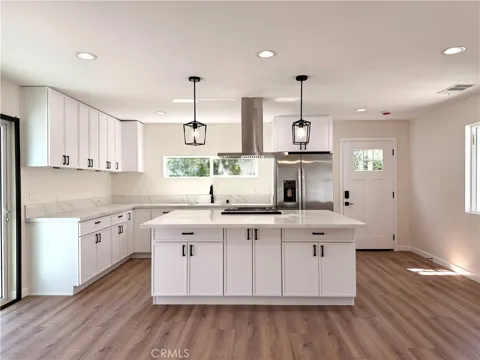
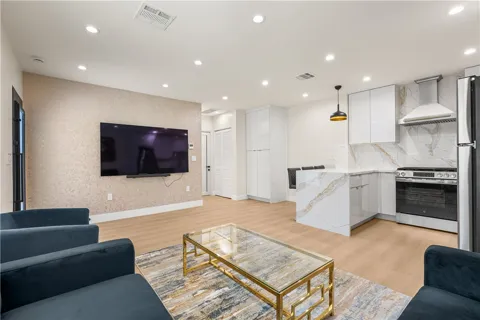
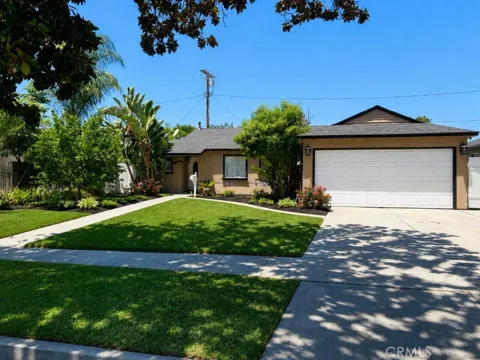
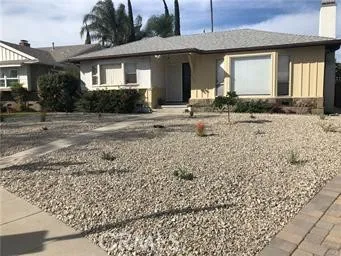
Reseda's housing stock is a mix of post-war single-family homes and multi-family buildings. Much of the residential fabric dates from the mid-twentieth century, when subdivided farmland became tracts of modest ranch-style and traditional houses on the neighborhood's residential streets. Garden-style and larger apartment buildings cluster along the commercial corridors and near transit, reflecting a population that includes many renters alongside homeowners. The neighborhood's relative affordability compared with other parts of Los Angeles has also supported new affordable and moderate-income apartment projects along Sherman Way. For buyers, Reseda offers entry-level single-family homes and small lots at a more approachable point than many west Valley neighborhoods.
Reseda is organized around its two main corridors—Sherman Way running east-west and Reseda Boulevard running north-south—with residential streets filling the blocks between. The neighborhood does not contain the named master-planned communities found in newer suburbs; instead, its character comes from a grid of mid-century single-family tracts, apartment courts, and small commercial clusters. Its edges blur into adjacent Valley communities such as Tarzana, Winnetka, and Northridge, and the nearby Sepulveda Basin and Lake Balboa area extend the neighborhood's open space to the south. This layout gives Reseda a cohesive, walkable, quintessentially Valley feel.
Reseda offers a practical, everyday Los Angeles lifestyle. Its commercial strips along Sherman Way and Reseda Boulevard are filled with restaurants, markets, bakeries, and small businesses reflecting the Valley's diverse, multicultural population. The neighborhood is convenient to the G Line busway and the US-101, making commutes to jobs across the Valley and into Los Angeles manageable. Recreation is close at hand at Reseda Park and Lake Balboa Park, and the nearby Warner Center and Woodland Hills areas provide additional shopping and employment. Life here is unpretentious and community-oriented, anchored by schools, parks, and neighborhood businesses.
Reseda is served by the Los Angeles Unified School District. The neighborhood's anchor secondary campus is Reseda Charter High School, which houses several small 6-12 and 9-12 academies and magnets on one campus, including a college-preparatory charter academy with a Spanish dual-language program and magnets in arts, media, and entertainment. A network of LAUSD elementary and middle schools serves the surrounding neighborhoods, and several private and parochial options operate across the Valley. For higher education, Los Angeles Pierce College in Woodland Hills and California State University, Northridge are within a short drive.
Reseda is well connected within the San Fernando Valley. The Metro G Line (formerly the Orange Line) bus rapid transit route runs along the neighborhood's southern edge with a dedicated right-of-way and a station serving Reseda, offering fast cross-Valley service to North Hollywood and connections to the Metro rail system. Reseda Boulevard is a major north-south arterial, while the US-101 (Ventura Freeway) passes nearby and links the area to the broader Los Angeles freeway network. The neighborhood's central Valley location keeps commutes to major employment centers across the region within reach.
Reseda's main recreational anchors are Reseda Park and Recreation Center on Victory Boulevard, which offers a lake, ballfields, playgrounds, picnic areas, and a community recreation center, and the much larger Lake Balboa Park to the south, with its lake, walking paths, sports facilities, and open space along the Los Angeles River and Sepulveda Basin. The neighborhood's central Valley position also puts regional destinations—including the Santa Monica Mountains' trailheads and other Valley parks—within a reasonable drive. Everyday outdoor life is centered on the local parks, schoolyards, and neighborhood pools.
MARKET SNAPSHOT
How homes have been selling here over the last 90 days.
Market data reflects closed sales over the last 90 days and is provided for informational purposes.
BROWSE BY ZIP
Browse listings by postal code in this area.