Altamont Pass Commuter City
Welcome to Tracy, the second-largest city in San Joaquin County, positioned at the I-205/I-580 crossroads near the Altamont Pass.
Tracy is a city in San Joaquin County, California, set in the Central Valley at the western edge of the county near the Altamont Pass. It is the county's second-most populous city, with a 2020 census population of about 93,000, and it has grown substantially as a commuter community for the San Francisco Bay Area. The city's position at the junction of Interstates 205 and 580, and within reach of Interstate 5, places it squarely on the corridor connecting the Central Valley to the Tri-Valley and the broader Bay Area. That geography defines Tracy's economy and daily rhythm. The Altamont Pass, just west of the city, carries the I-580 commute toward Livermore, Dublin, and Pleasanton, and many residents make that trip for work or connect onward to BART. The Altamont Corridor Express (ACE) commuter rail adds a rail option, with a Tracy station providing weekday service between Stockton and San Jose. This commuter orientation has shaped the city's housing, which spans older, established neighborhoods near a historic downtown and newer master-planned communities such as Tracy Hills on the southwest side. Tracy's civic identity is anchored by its downtown and its school system. Public education is provided by the Tracy Unified School District and the Jefferson Elementary School District, with the neighboring Lammersville Joint Unified district serving the Mountain House area just west of the city. The city lies within reach of the San Joaquin Delta to the north and the agricultural heart of the Central Valley to the east, giving residents access to both outdoor recreation and the region's farming landscape. For households weighing Bay Area proximity against cost of living and space, Tracy has long served as a practical middle ground: a full-service city with room to grow, located at the gateway where the Central Valley opens toward the coast.
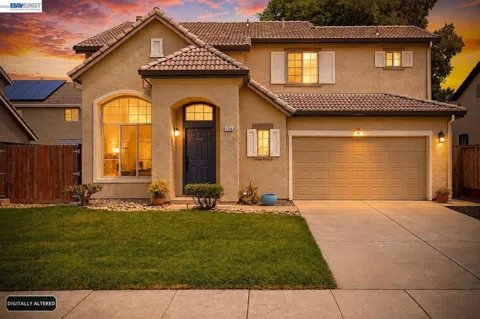
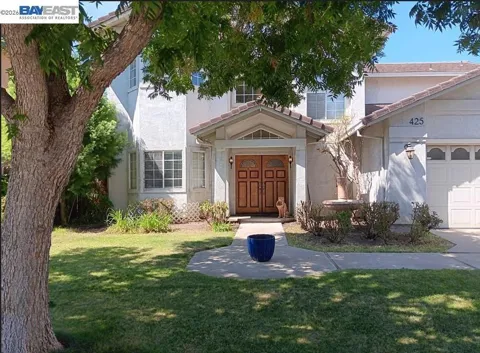
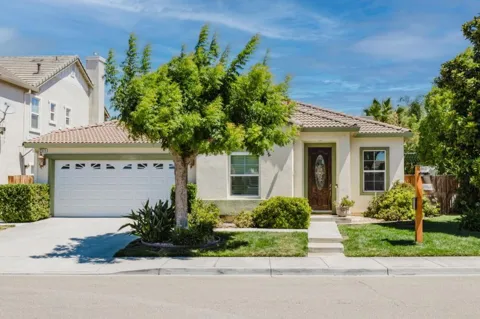
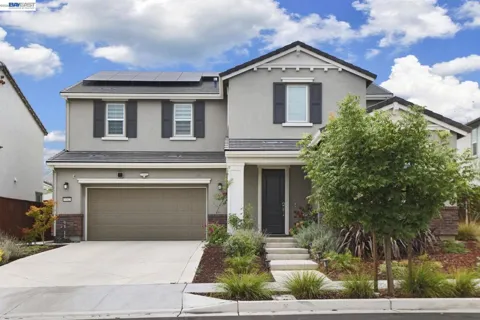
Tracy is located in San Joaquin County, California, in the Central Valley near the Altamont Pass. It is the second-most populous city in the county, behind only Stockton, at the gateway to the Bay Area.
Tracy sits roughly 60 miles east of San Francisco. Commuters reach the Bay Area over the Altamont Pass via Interstate 580, with many driving toward Dublin and Pleasanton or connecting to BART and the ACE commuter rail.
Tracy is served by the Tracy Unified School District and the Jefferson Elementary School District. The neighboring Lammersville Joint Unified School District serves the Mountain House area just west of the city.
Yes. The Altamont Corridor Express (ACE) commuter rail serves Tracy with a station in the southern part of the city, providing weekday service between Stockton and San Jose with stops in the East Bay.
City Guide
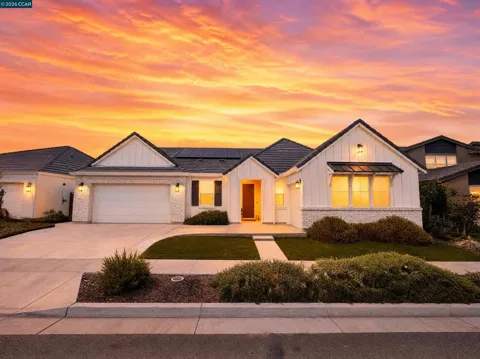
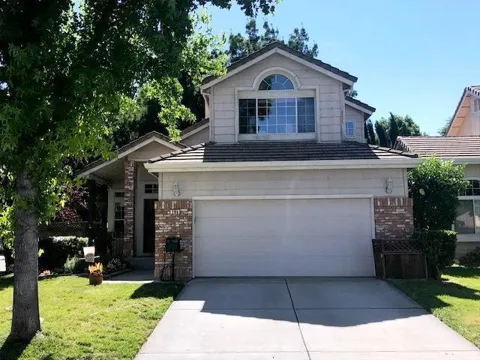
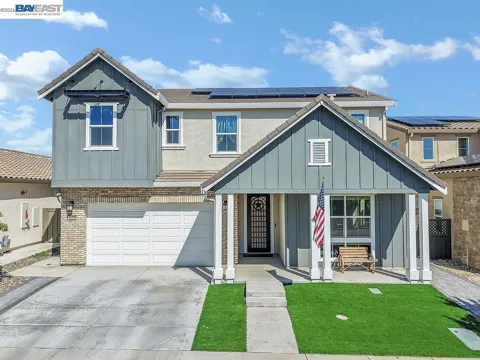
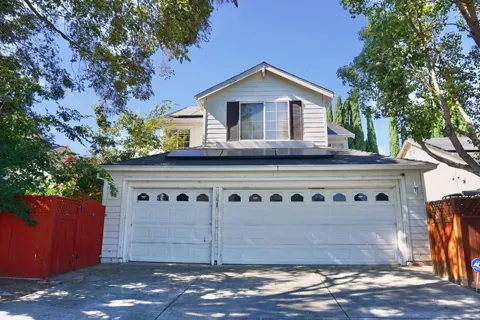
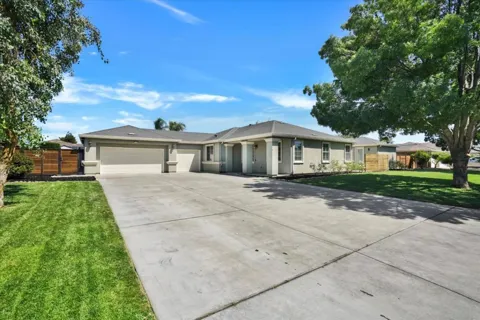
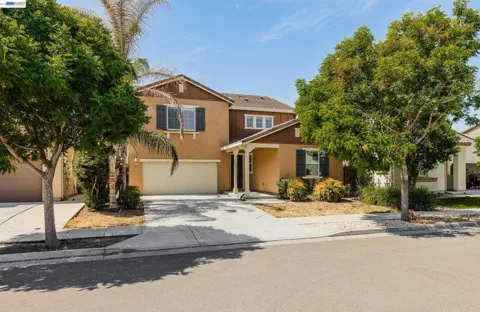
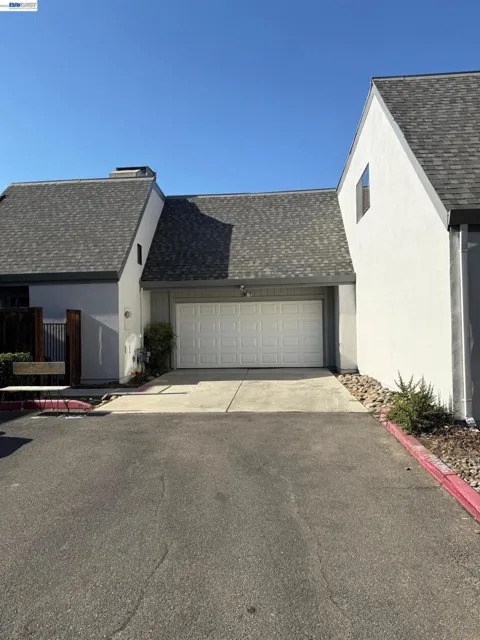
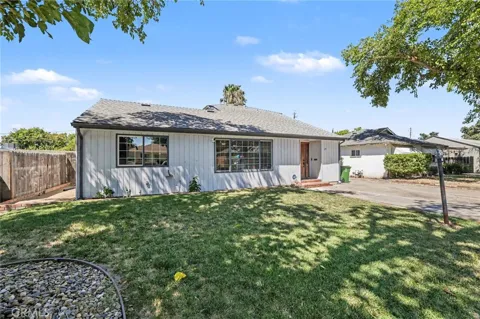
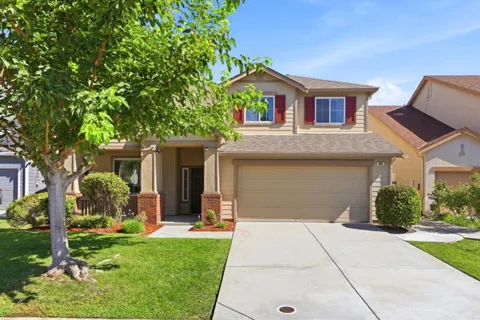
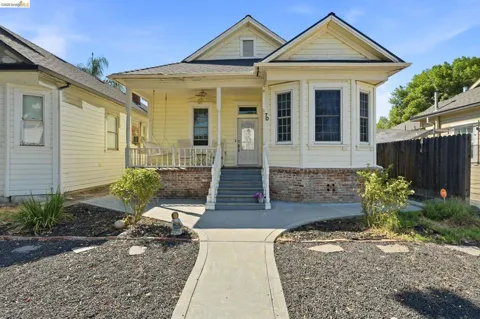
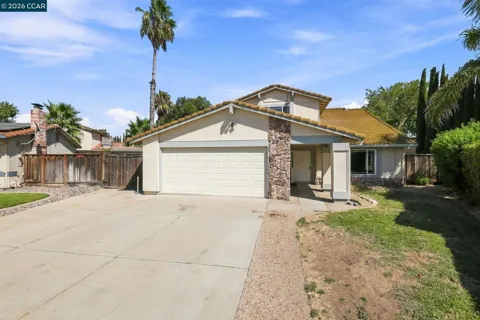
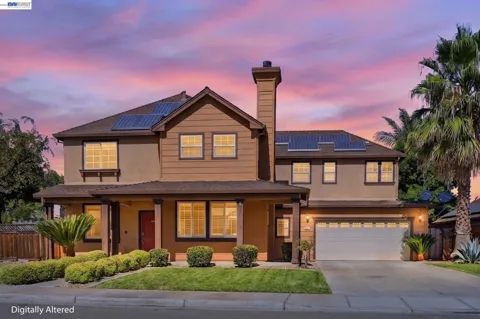
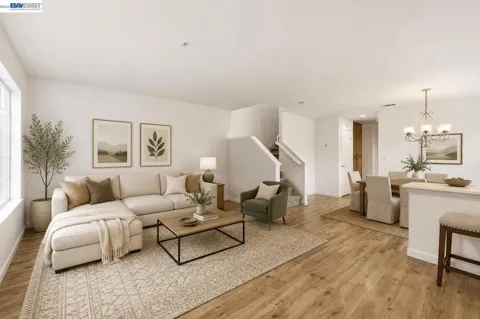
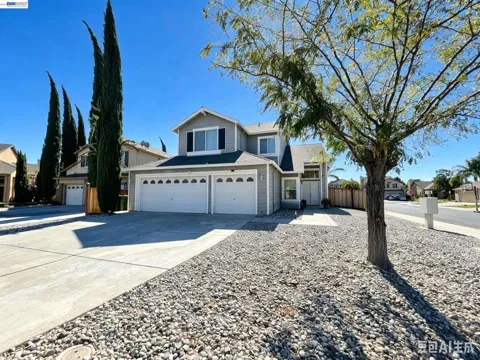
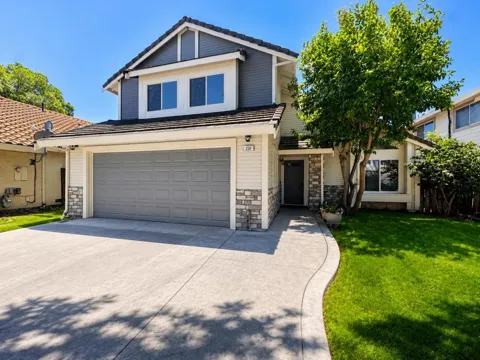
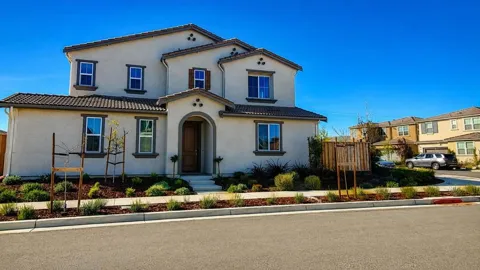
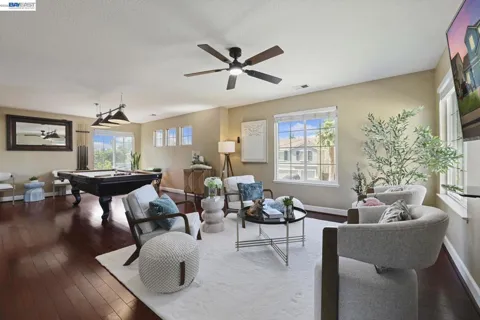
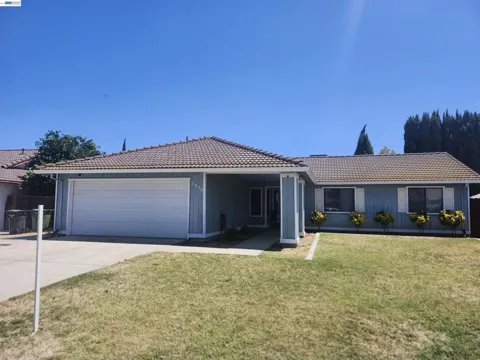
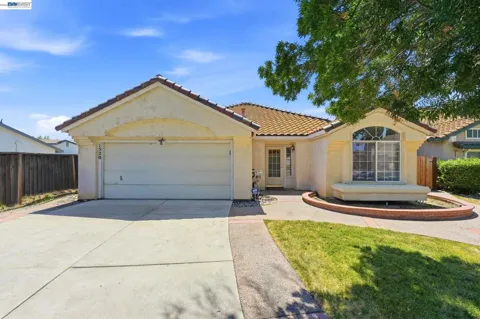
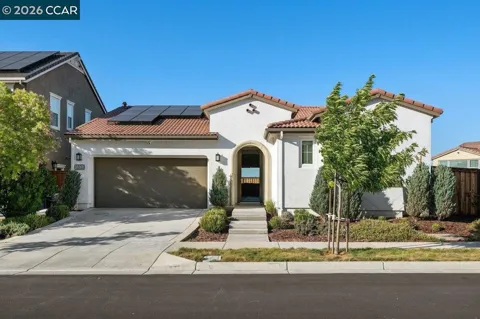
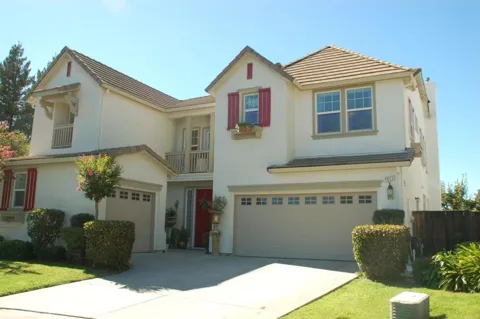
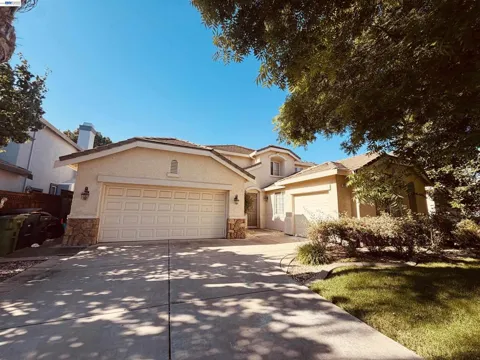
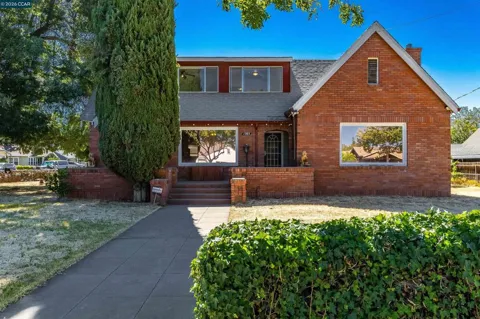
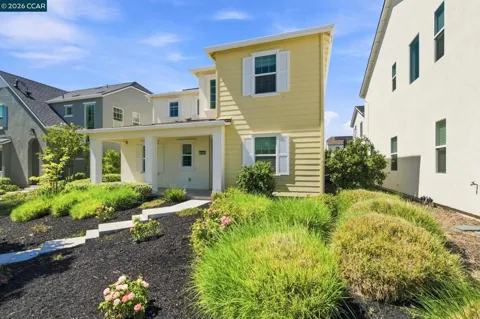
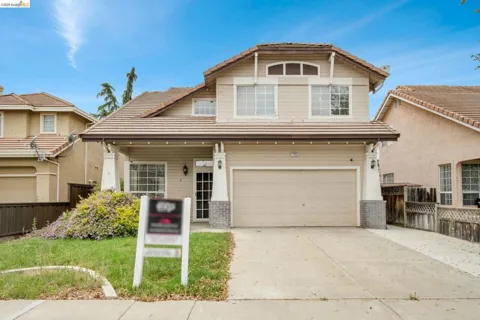
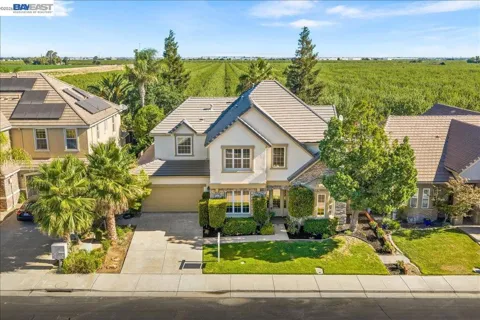
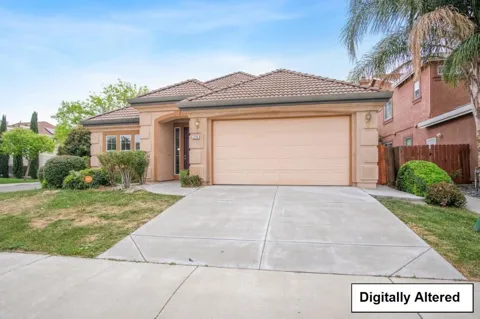
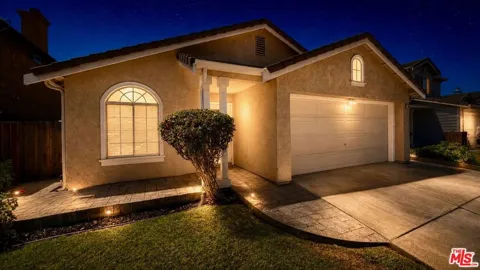
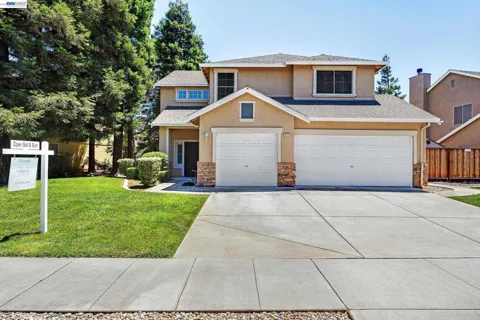
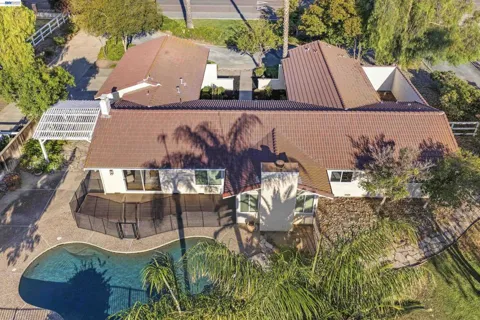
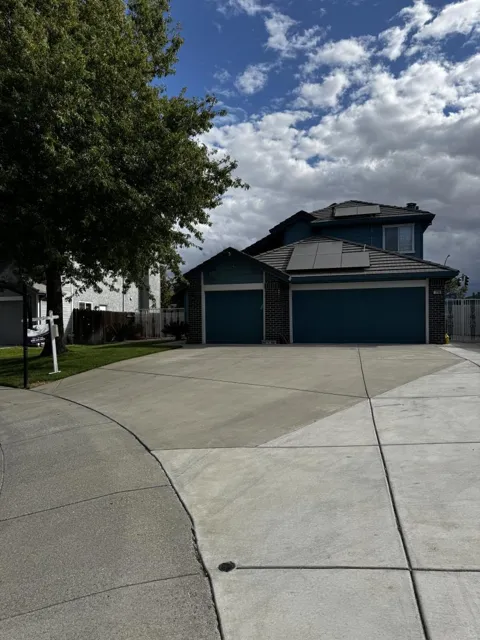
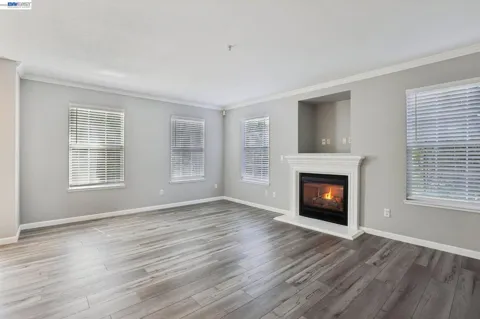
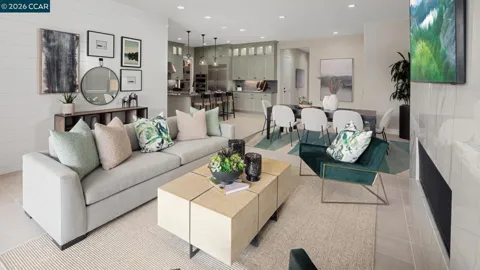
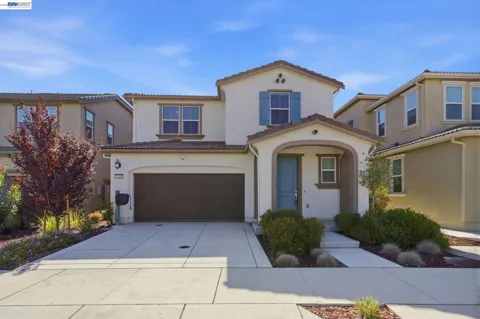
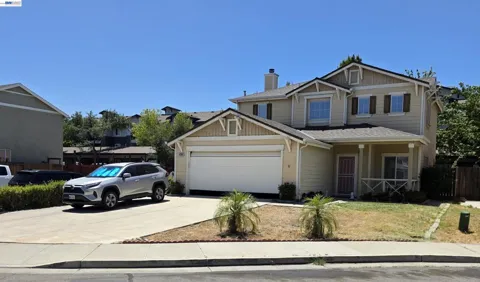
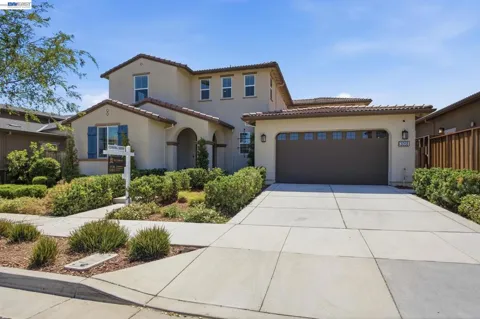
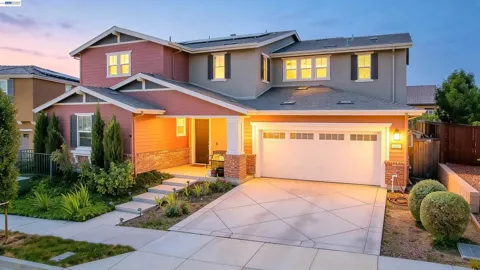
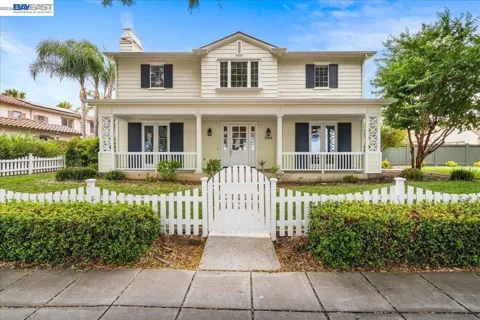
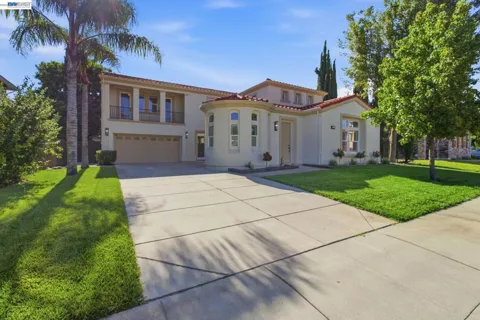
Tracy's housing stock spans several eras, from the older, established neighborhoods near the historic downtown to large master-planned communities developed on the city's edges. Single-family homes dominate, and newer communities such as Tracy Hills on the southwest side have added substantial hillside and valley-view housing. Lot sizes and home ages vary considerably across the city, giving buyers a wide range of options. The city's growth reflects its role as a more affordable commuter alternative to Bay Area communities, though the market's defining feature is its variety: established in-town blocks alongside newer, larger subdivisions.
Tracy's neighborhoods range from its historic downtown and the older subdivisions that grew around it to large planned communities at the edges. Tracy Hills, a master-planned community on the southwest side off Interstate 580, is among the most prominent newer developments and sits closest to the Altamont Pass commuter route. Established neighborhoods nearer the center offer mature trees and an in-town feel, while the expanding perimeter adds hillside and valley-view subdivisions. The nearby community of Mountain House, just west of Tracy, forms part of the broader commuter corridor and shares the region's growth pattern.
Tracy's lifestyle is shaped by its dual identity as a Central Valley city and a Bay Area commuter base. Families are drawn by the relative space and community feel compared with closer-in Bay Area suburbs, and the historic downtown anchors local events, dining, and civic life. Weekends often balance local recreation with trips over the Altamont Pass or into the San Joaquin Delta. The city's growth has brought a steady expansion of shopping, restaurants, and services, so residents can meet most daily needs without leaving town. The result is a practical, family-oriented community that bridges valley and coast.
Tracy's public schools are divided among several districts. The Tracy Unified School District serves much of the city, while the Jefferson Elementary School District covers other attendance areas, and the Lammersville Joint Unified School District serves the neighboring Mountain House community just west of Tracy. This multi-district structure means families should confirm their specific school assignments by address. The city's districts operate elementary, middle, and high school campuses, and the area's growth has brought new school construction. Higher-education options are available in the Central Valley and across the Altamont Pass in the East Bay.
Tracy sits at a key transportation crossroads, with Interstate 205 connecting Interstate 5 to Interstate 580 and the Altamont Pass, the primary route toward Livermore, Dublin, and the Bay Area. The Altamont Corridor Express (ACE) commuter rail serves the city with weekday trains between Stockton and San Jose. Commuters also connect to BART from East Bay stations such as Dublin/Pleasanton. This combination of highway and rail access makes Tracy a central hub for Central Valley-to-Bay Area travel, though most daily trips within the city are made by car.
Tracy's recreation draws on both its local parks and its regional setting. The city maintains a network of neighborhood parks, sports fields, and community facilities that support youth athletics and family life. The San Joaquin Delta, just to the north, offers boating, fishing, and waterfowl habitat, while the surrounding Central Valley countryside provides open space and agricultural scenery. For larger outings, residents can reach the Tri-Valley and East Bay hills, and the Sierra Nevada and Central Coast are within weekend distance. The city's trail system and newer planned communities also incorporate parks and greenways into daily life.
MARKET SNAPSHOT
How homes have been selling here over the last 90 days.
Market data reflects closed sales over the last 90 days and is provided for informational purposes.
BROWSE BY ZIP
Browse listings by postal code in this area.