East Bay Hills Community
Welcome to Castro Valley, a large unincorporated community in the hills of Alameda County between Hayward and Dublin, with BART access to San Francisco.
Castro Valley is a large census-designated place in Alameda County, California, set in the hills of the East Bay between Hayward to the west and Dublin and Pleasanton to the east. It is an unincorporated community rather than an incorporated city, and at the 2020 census it ranked as the fourth most populous unincorporated area in California, with about 64,000 residents. Services are provided by Alameda County, giving the community a distinctive governance structure within the Bay Area. The area is named for Don Guillermo Castro, a Mexican-era Californio ranchero and magistrate who held the land grant covering the valley in the mid-1800s. Through the late 19th and early 20th centuries, Castro Valley remained rural, known for its chicken ranches and agriculture. After World War II, returning veterans and new commuters transformed it into a suburban community, and the population grew rapidly as single-family homes spread across the valley floor and into the hills. Today Castro Valley is a mature, family-oriented suburb with a strong school system and abundant open space. Lake Chabot Regional Park, operated by the East Bay Regional Park District, offers boating, fishing, and miles of trails, along with the 18-hole Redwood Canyon Public Golf Course, and is flanked by Anthony Chabot Regional Park and the Don Castro and Cull Canyon swim areas. The Castro Valley Unified School District serves roughly 9,000 students across the community. Transportation is anchored by the Castro Valley BART station on the Blue Line, which runs between Dublin/Pleasanton and Daly City and connects residents to Oakland and downtown San Francisco in about 30 minutes. Interstate 580 and nearby Interstates 238 and 880 provide highway links across the East Bay. This combination of suburban space, good schools, regional parkland, and fast transit access has made Castro Valley an enduringly popular place to live within the Bay Area.
Castro Valley is an unincorporated community and census-designated place, not an incorporated city. It is the fourth most populous unincorporated area in California, with services provided by Alameda County rather than a city government.
Castro Valley is in Alameda County, California, in the East Bay region. It sits in the hills between Hayward to the west and Dublin and Pleasanton to the east, along the Interstate 580 corridor.
Castro Valley is served by the Castro Valley Unified School District, a public preschool-through-adult district with roughly 9,000 students. The district operates several elementary schools, middle schools, and Castro Valley High School.
Yes, Castro Valley has a BART station on the Blue Line, which runs between Dublin/Pleasanton and Daly City. The station connects the community to Oakland and San Francisco, putting downtown San Francisco roughly 30 minutes away by transit.
Castro Valley's population was 64,392 at the 2020 census, making it a sizable East Bay suburb. The community is named for the 19th-century ranchero Don Guillermo Castro and remains one of California's largest unincorporated areas.
City Guide
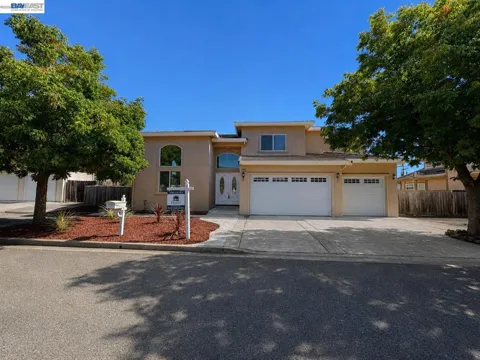
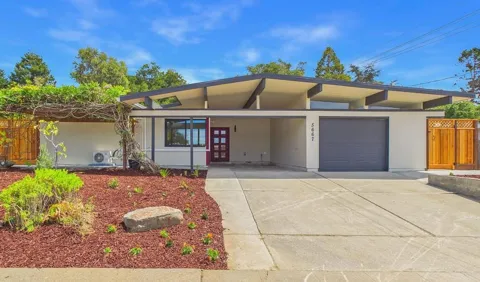
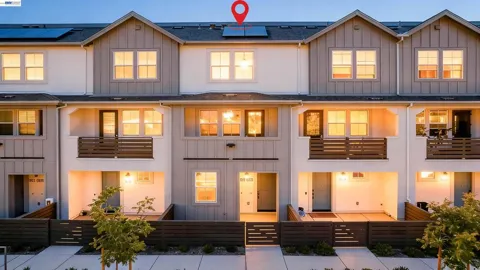
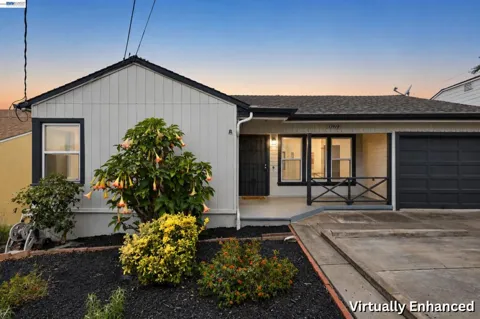
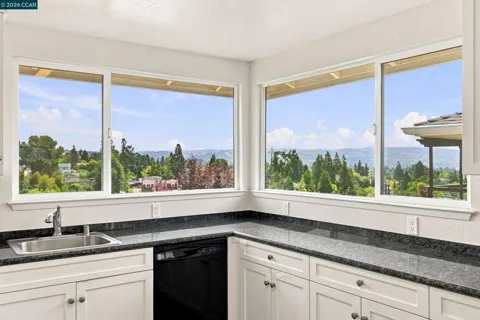
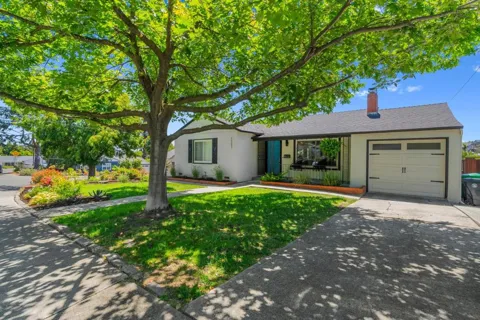
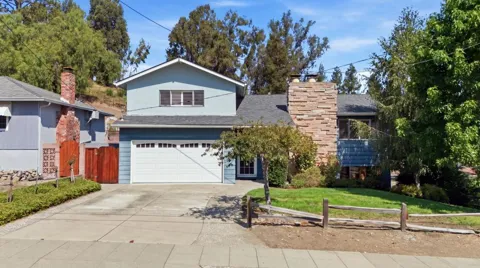
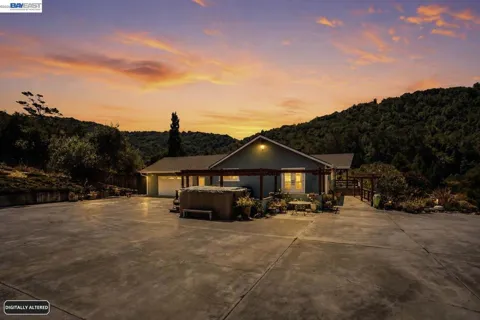
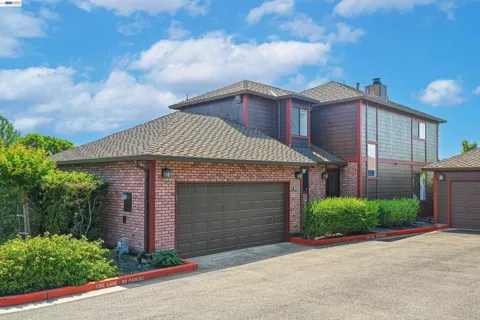
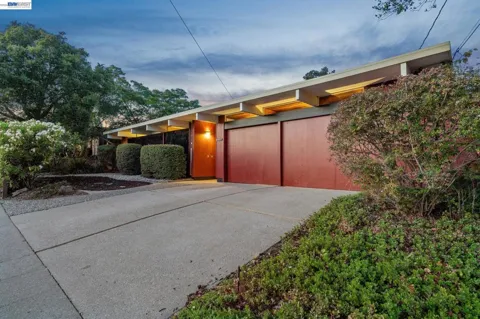
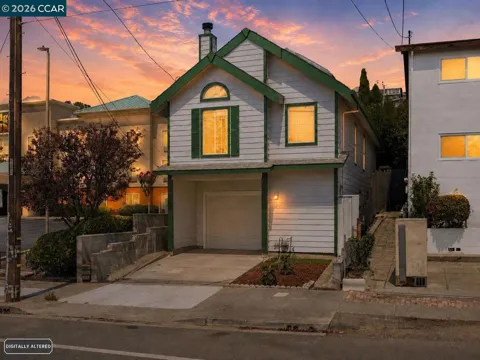
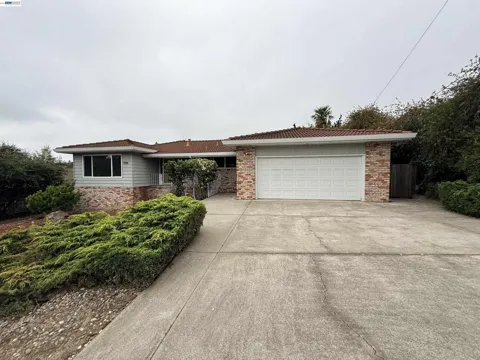
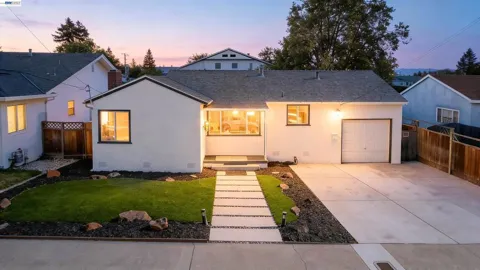
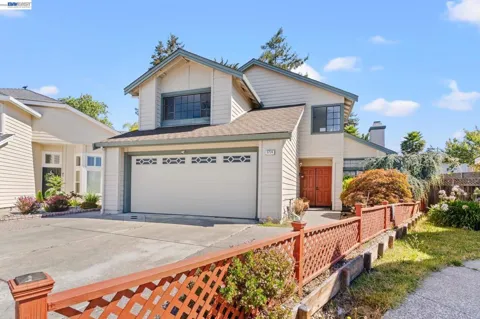
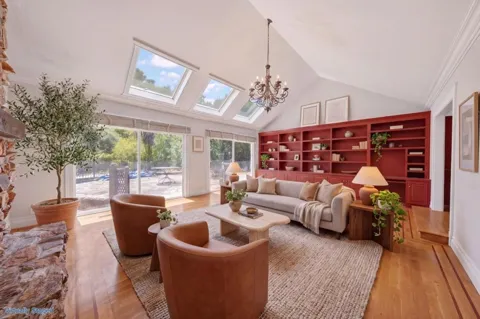
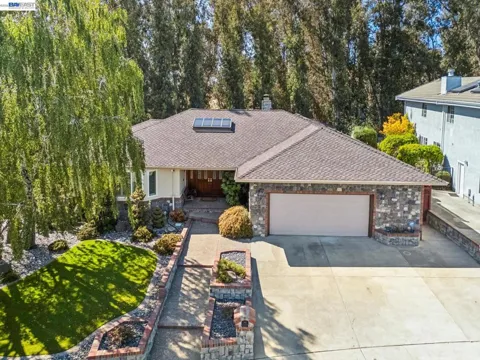
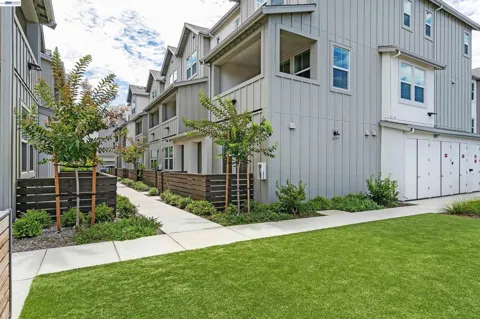
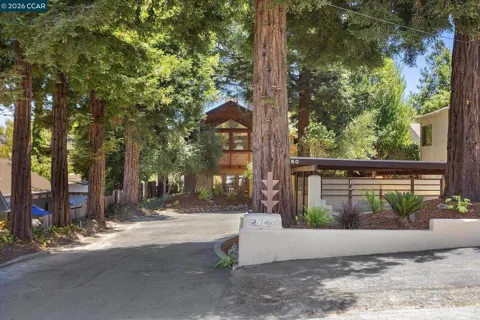
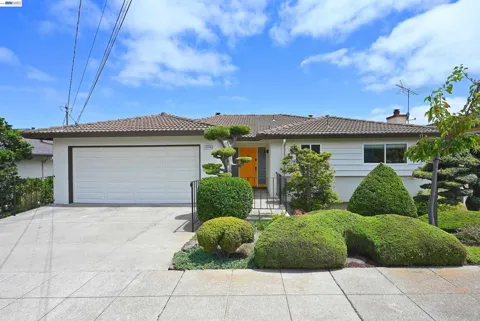
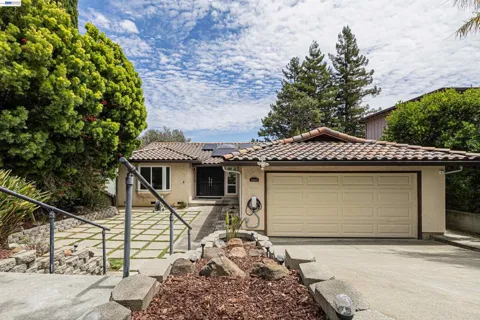
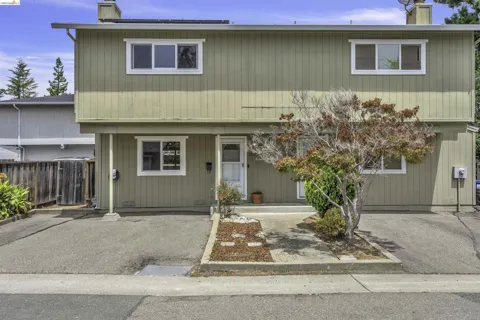
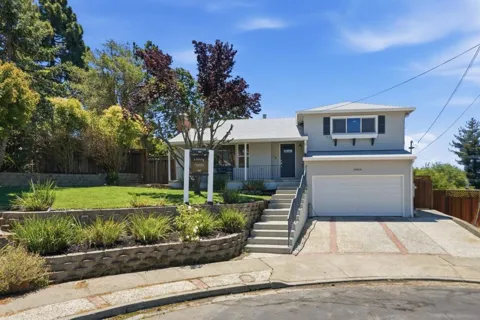
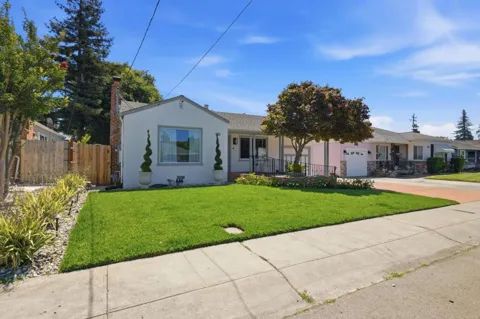
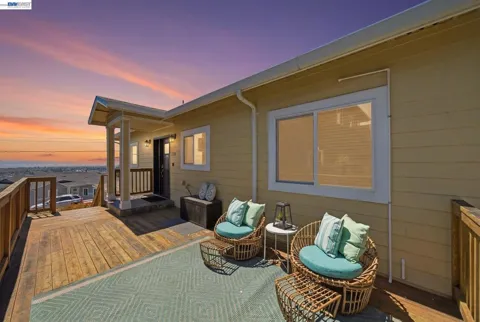
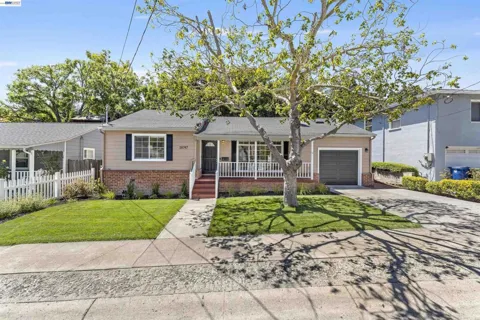
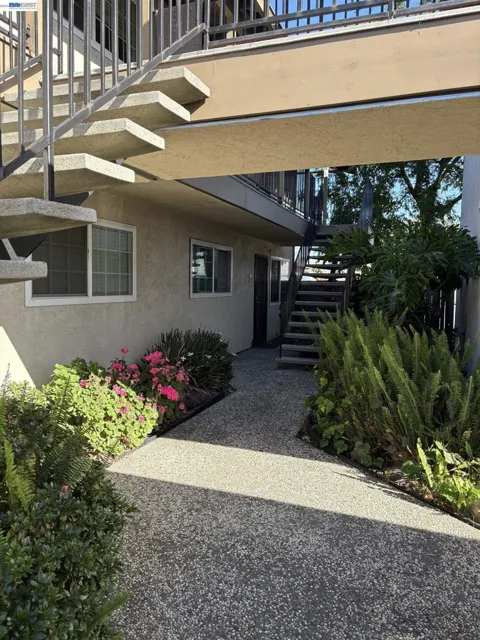
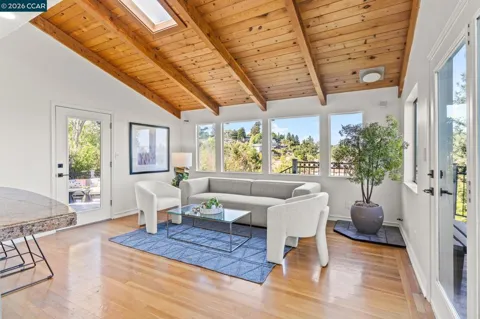
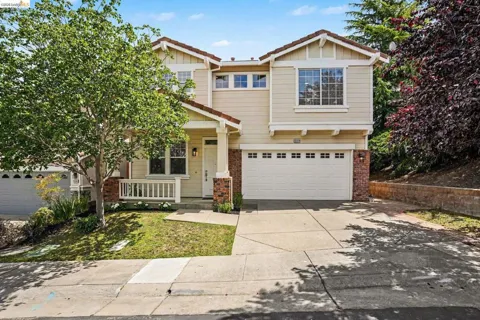
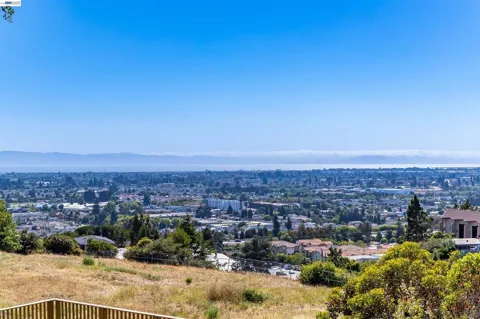
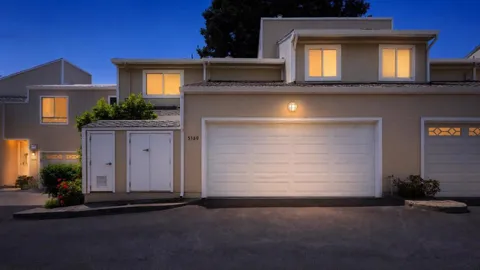
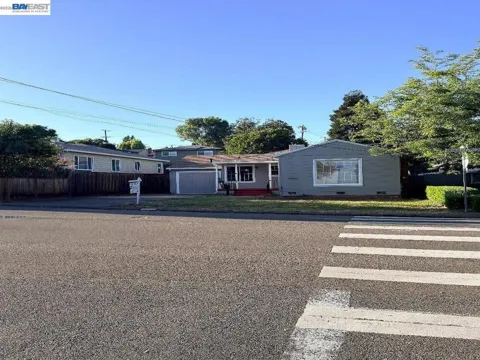
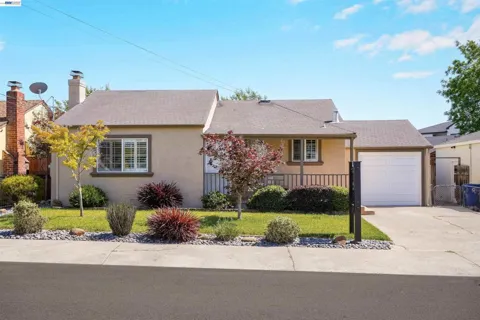
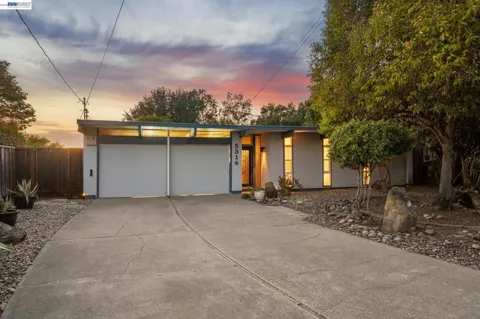
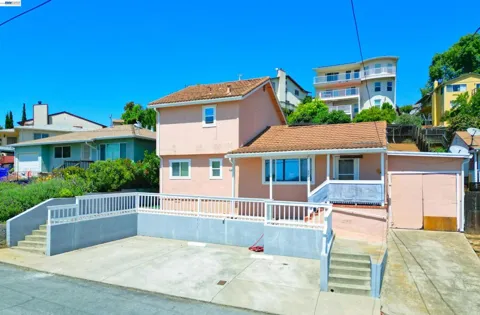
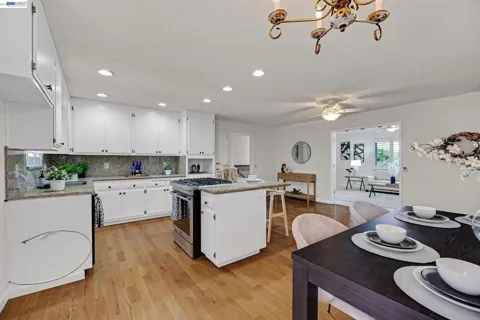
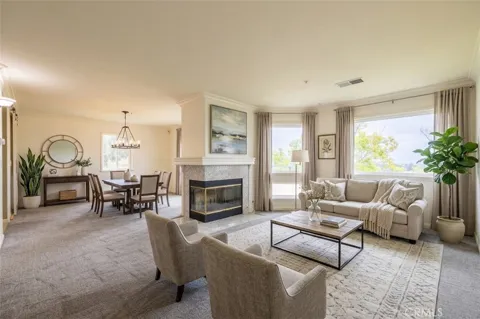
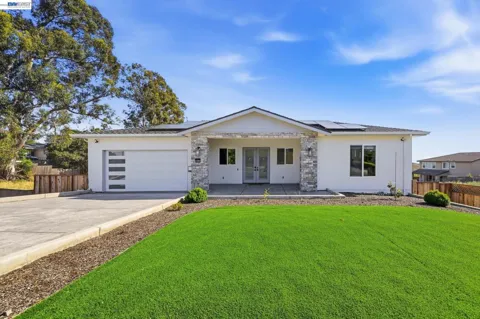
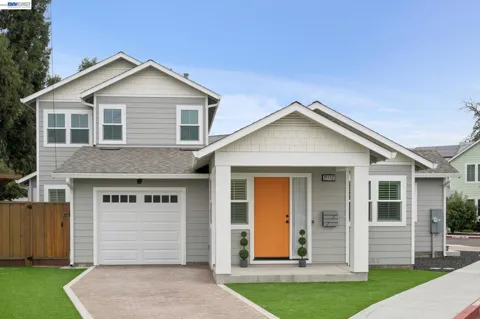
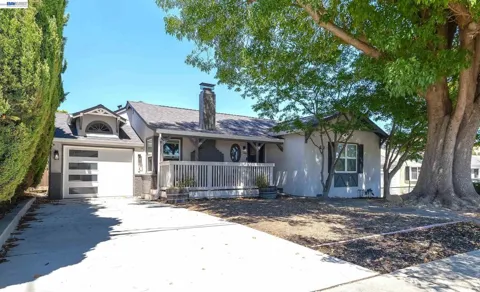
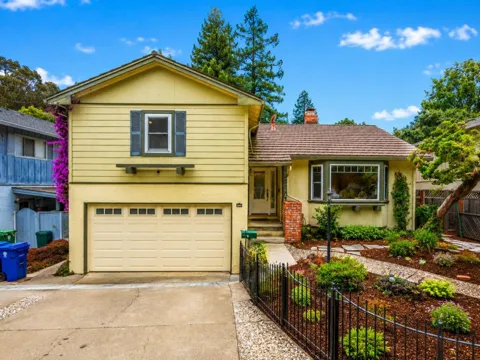
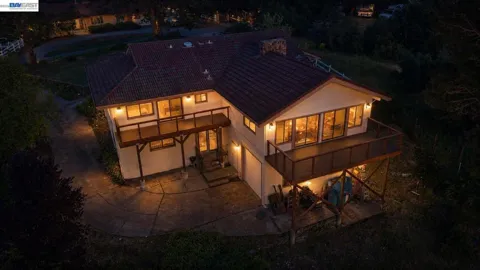
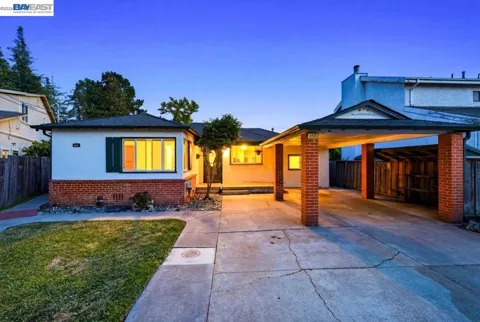
Castro Valley's housing stock grew substantially in the decades after World War II, when the area shifted from chicken ranches and farmland to a commuter suburb of single-family homes. Today the community mixes established mid-century neighborhoods on the valley floor with newer hillside developments offering views of the surrounding ridges and San Francisco Bay. Homes range from modest ranchers and traditional two-story houses to larger, more contemporary hillside properties. The community's unincorporated status means county services rather than a city government, a characteristic that shapes local governance and land use. The overall character is family-oriented and suburban, with a stable, well-established housing base.
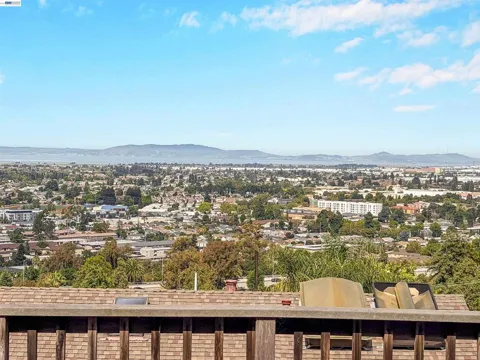
Castro Valley is organized around the corridors of Castro Valley Boulevard and Redwood Road, with older, established neighborhoods concentrated near the valley's commercial center and along its flatter western edge. To the east, the terrain rises into the hills, where newer subdivisions and hillside homes offer larger lots and sweeping views toward the bay. The area around Lake Chabot Road connects residents to the regional park of the same name. While Castro Valley lacks a single downtown, its distinct residential districts and hillside enclaves give it variety, from mid-century tract streets to more secluded, custom-built properties in the upper reaches of the valley.
Castro Valley offers a comfortable suburban lifestyle with an active, outdoors-oriented edge. The community's setting in the East Bay hills puts Lake Chabot and the surrounding regional parklands within easy reach, while its commercial corridors along Castro Valley Boulevard and Redwood Road supply everyday shopping and dining. Families anchor much of local life, drawn by the school district and the network of parks, community facilities, and youth activities. BART access gives residents a direct link to the culture and employment of Oakland and San Francisco, allowing Castro Valley to function as both a self-contained suburb and a convenient commuter base in the broader Bay Area.
Castro Valley is served by the Castro Valley Unified School District, a public preschool-through-adult district with roughly 9,000 students. The district operates multiple elementary schools, including Castro Valley, Chabot, Independent, and Jensen Ranch, along with middle schools and Castro Valley High School. It is consistently regarded as a strong local school system, a key draw for families settling in the community. An adult school and preschool programs round out the district's offerings. The combination of well-regarded public schools and proximity to East Bay higher-education institutions makes Castro Valley an appealing choice for education-focused households.
Castro Valley is well connected by both transit and highway. Its BART station on the Blue Line provides direct rail service between Dublin/Pleasanton and Daly City, linking the community to Oakland, San Francisco, and the broader BART network. Interstate 580 runs along the valley's edge, connecting west toward Hayward, Oakland, and the Bay Bridge, and east toward Dublin, Pleasanton, and the Central Valley; nearby Interstate 238 and I-880 add routes toward the Peninsula and South Bay. This dual access makes Castro Valley a practical base for commuters throughout the East Bay and San Francisco, with downtown San Francisco reachable in roughly half an hour.
Castro Valley's recreation is centered on the East Bay Regional Park District's holdings. Lake Chabot Regional Park is the community's outdoor centerpiece, offering boating, fishing, and a network of trails, along with the 18-hole Redwood Canyon Public Golf Course. Adjacent Anthony Chabot Regional Park extends the trail system into the surrounding hills, while the Don Castro and Cull Canyon swim areas provide seasonal swimming. Neighborhood parks such as Castro Valley Community Park add sports fields, playgrounds, and community facilities closer to home. This concentration of lakes, trails, and parkland gives residents ready access to hiking, cycling, and water recreation without leaving the community.
MARKET SNAPSHOT
How homes have been selling here over the last 90 days.
Market data reflects closed sales over the last 90 days and is provided for informational purposes.
BROWSE BY ZIP
Browse listings by postal code in this area.