Yosemite Gateway Town
Listings in Groveland, CA
Welcome to Groveland, a historic Gold Rush community on the Highway 120 route to Yosemite National Park in Tuolumne County.
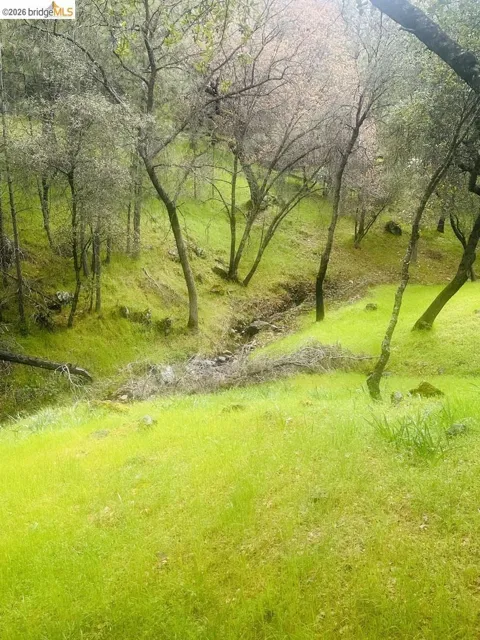
Groveland is a census-designated place in Tuolumne County, California, set in the western Sierra Nevada foothills along the Highway 120 corridor that leads to Yosemite National Park. The community is small, with a 2020 census population of about 540 within the CDP itself, but it anchors a larger foothill region: Groveland and the surrounding communities, including nearby Big Oak Flat and the Pine Mountain Lake development, together hold several thousand of Tuolumne County's residents. The area's history begins with the California Gold Rush, when mining brought the first large influx of settlers to what became the Groveland and Big Oak Flat settlements. The town has remained an important stop on the road to Yosemite ever since, serving travelers with lodging, food, fuel, and services on their way to the park's Big Oak Flat Entrance, roughly 25 miles to the east. That gateway role remains central to the local economy and to the community's rhythm, which swells with visitor traffic through the warmer months and quiets down in winter. The setting is classic western Sierra foothill country: oak woodland giving way to pine forest, granite outcrops, and rising terrain toward the national park. Housing ranges from in-town homes and cabins to larger, wooded parcels and a substantial number of vacation properties, especially around Pine Mountain Lake. Students attend the Big Oak Flat-Groveland Unified School District, with Tenaya Elementary serving the local area. For residents, Groveland offers the trade-off that defines many mountain towns: a remote, scenic, outdoor-oriented lifestyle with a seasonal visitor economy, set a manageable drive from the larger services of Sonora in the valley below and, beyond that, from the Central Valley and the Bay Area.
Get more information about Groveland
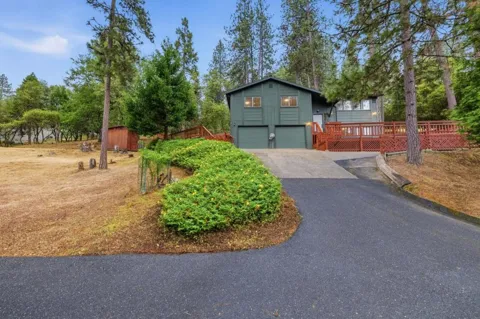
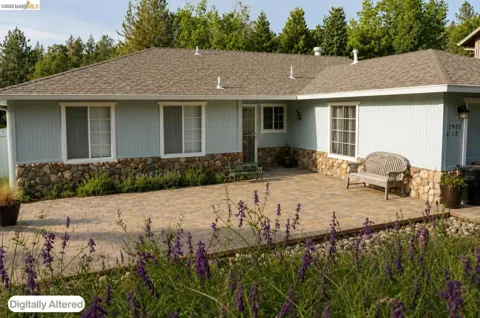
Houses in Groveland, CA

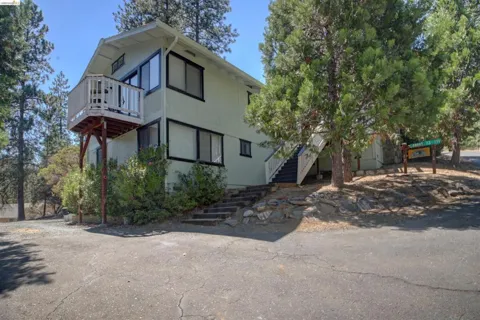
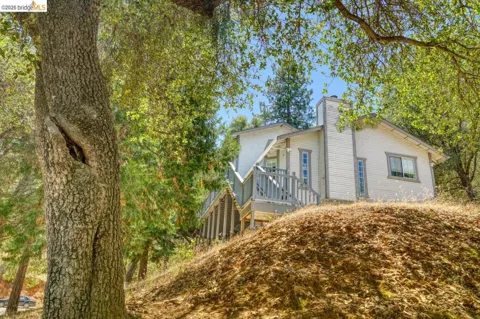
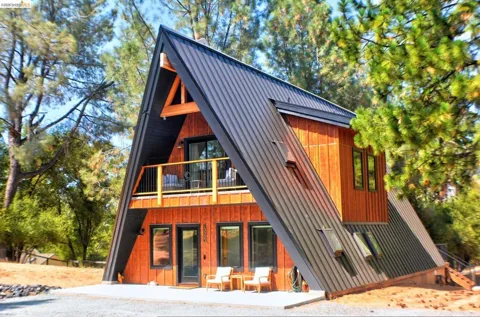
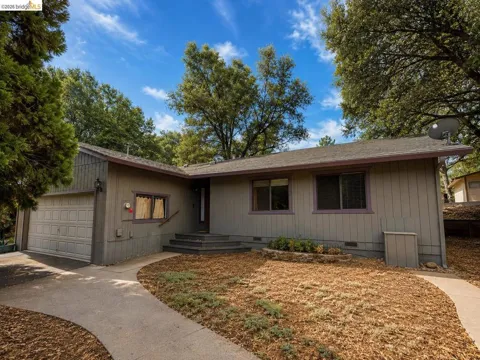
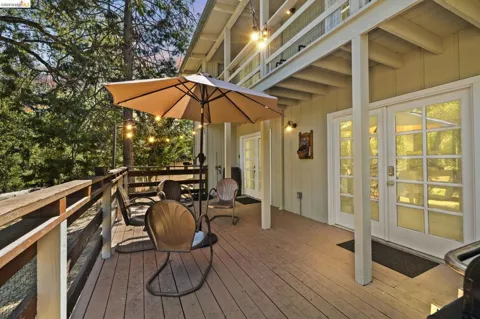
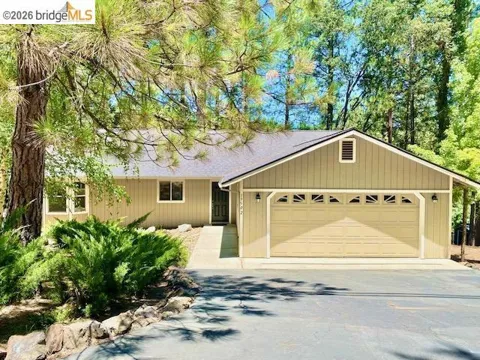
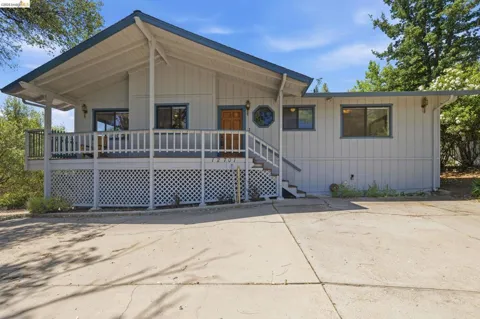
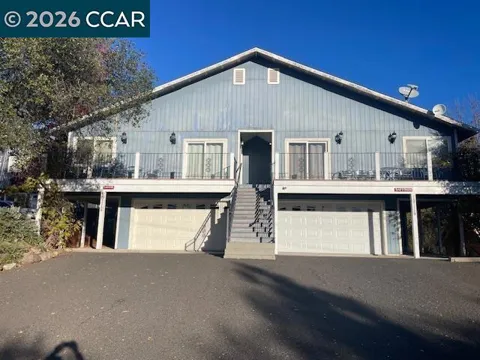

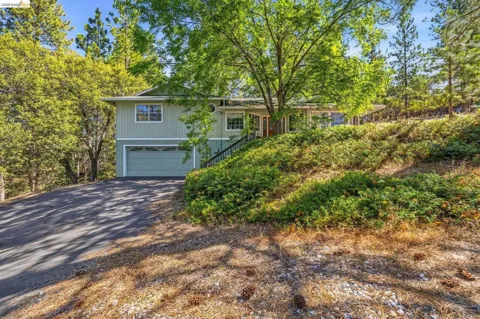
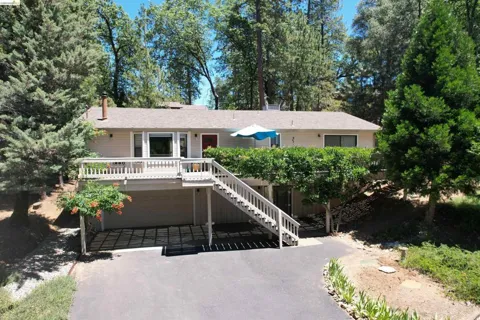
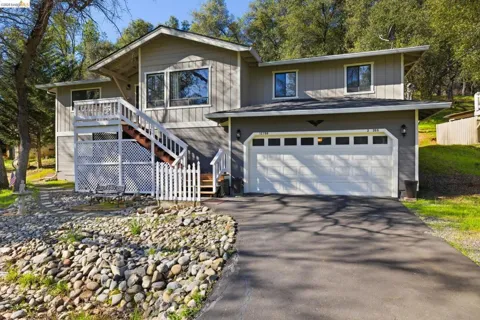

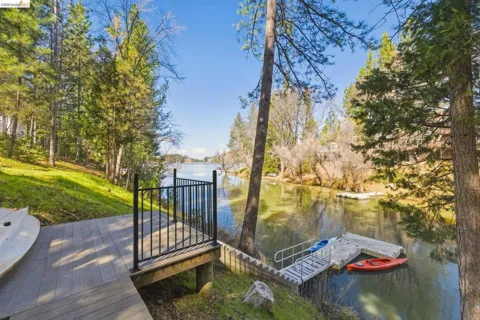
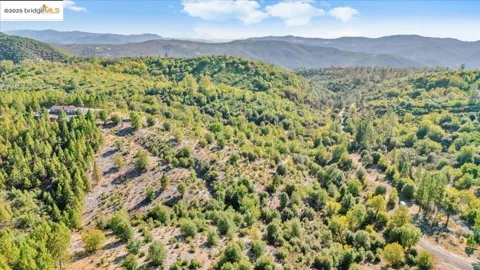
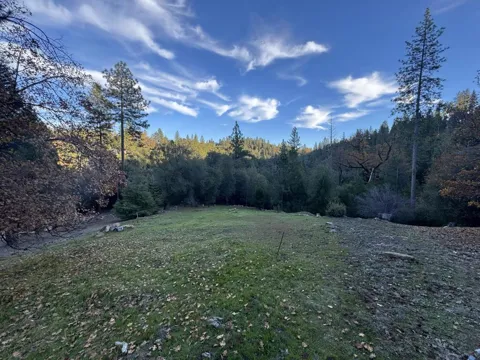
Lots & Land in Groveland, CA
MARKET SNAPSHOT
The Market at a Glance
How homes have been selling here over the last 90 days.
Price & Sales History
Market data reflects closed sales over the last 90 days and is provided for informational purposes.
Zip Codes
BROWSE BY ZIP
Browse listings by postal code in this area.
- Grid
- Map
- List
City Guide
About Groveland
Real Estate & Housing
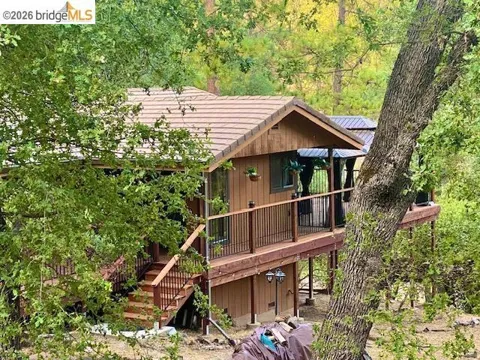
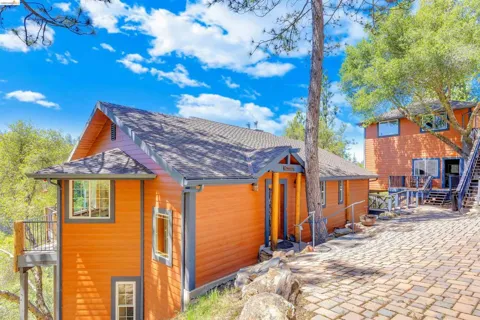
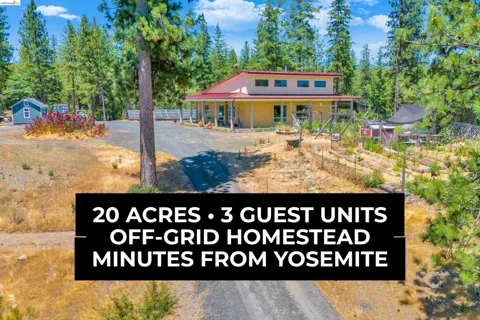
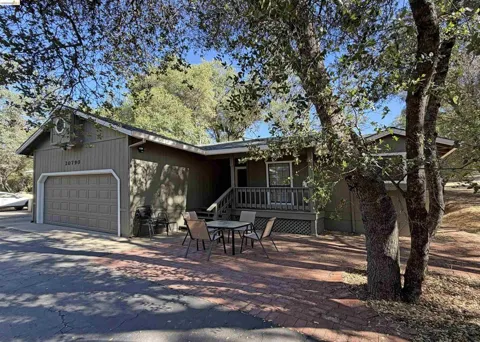
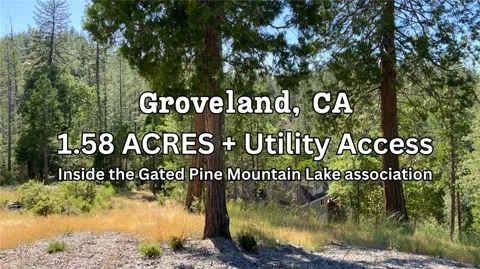
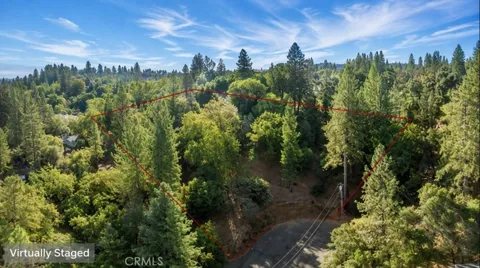
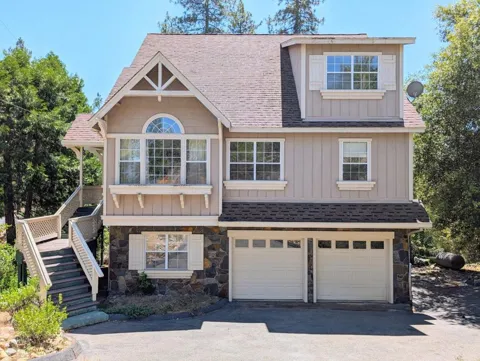
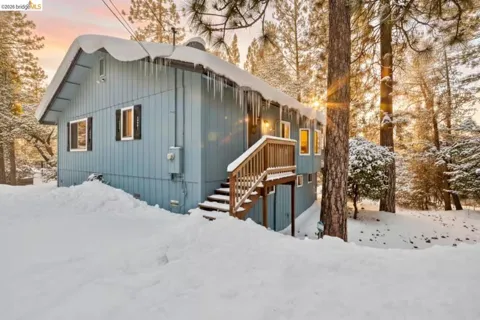
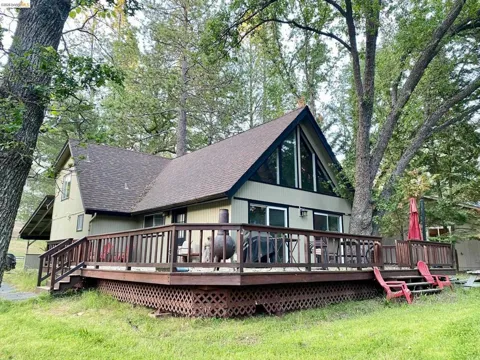
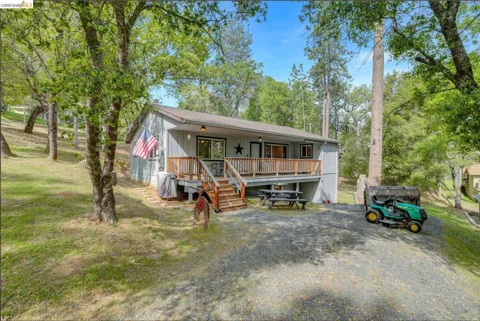
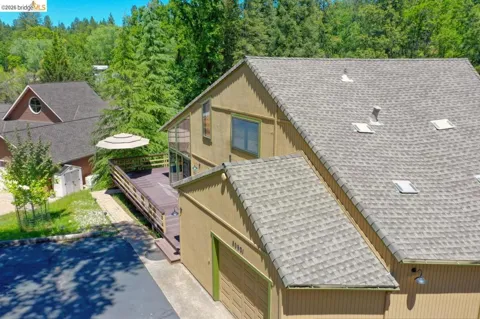
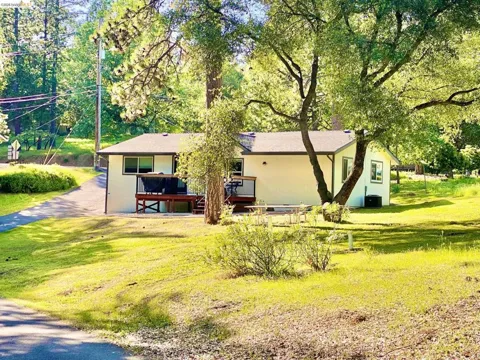
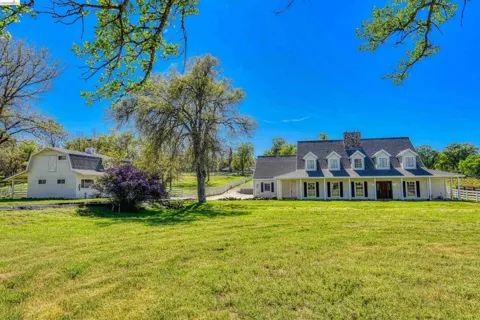
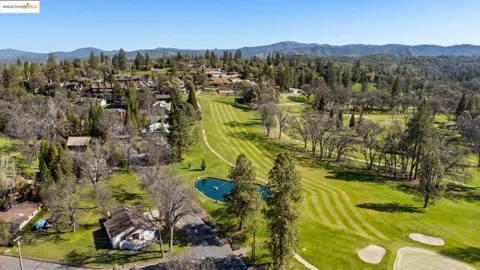
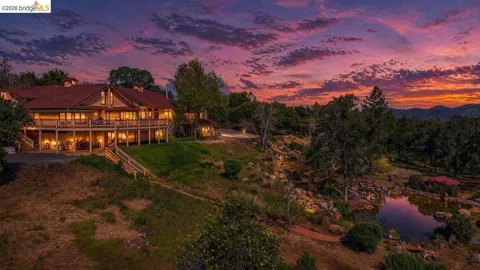
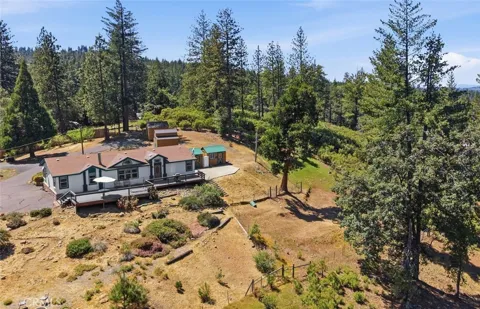
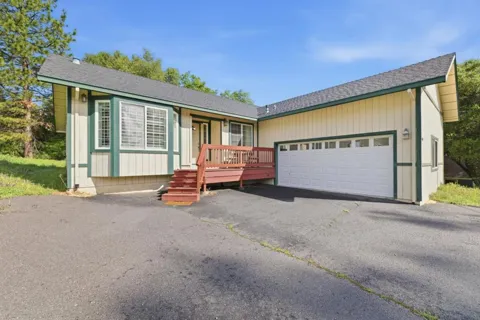
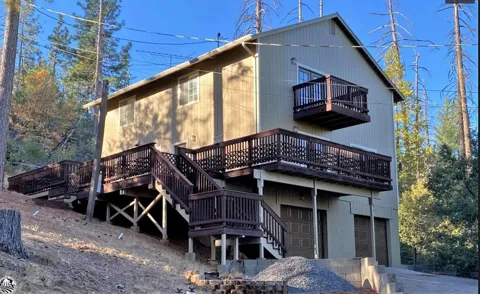
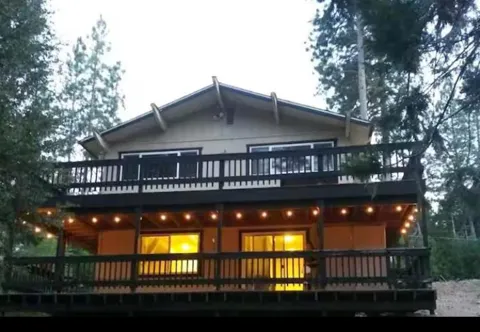
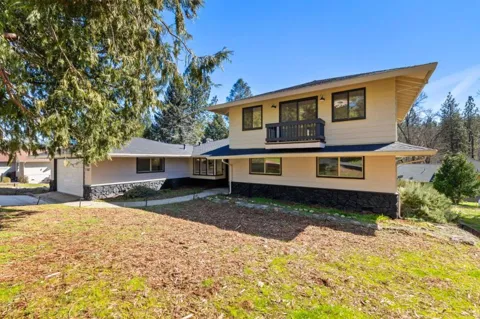
Groveland's housing stock reflects its role as both a year-round mountain community and a recreation gateway. The area includes modest mountain homes and cabins, larger rural parcels, and a significant share of vacation and second-home properties, particularly around the adjacent Pine Mountain Lake community. Lots tend to be larger and more wooded than in valley towns, and development is spread across foothill terrain rather than dense subdivisions. This mix gives buyers a range of options, from full-time residences to weekend retreats, all set within the pine and oak landscape of the western Sierra. The housing character is rustic and land-oriented rather than suburban.
Neighborhoods
Groveland is closely tied to its neighboring communities. Big Oak Flat, the historic settlement just downhill, shares the area's Gold Rush past and its position along Highway 120, and the two communities are often discussed together. The Pine Mountain Lake community, a sizable residential and recreational development with its own lake and amenities, lies adjacent to Groveland and is a major part of the local housing landscape. Together these areas form a loosely connected foothill region centered on the Yosemite corridor, with residents identifying with the larger Groveland area rather than with tightly drawn municipal boundaries.
Lifestyle in Groveland
Life in Groveland moves at a mountain-town pace, shaped by the rhythm of visitors passing through on their way to Yosemite and by the Sierra foothill seasons. Local businesses, restaurants, and lodgings cater to both the year-round community and the tourist traffic that flows along Highway 120. The town's Gold Rush heritage is visible in its historic buildings and in the character of the surrounding landscape, which blends oak woodland and pine forest. Residents include long-time locals, seasonal homeowners, and people drawn by the access to outdoor recreation. Day-to-day needs are met locally or with a trip down the hill to Sonora.
Schools & Education
Groveland is served by the Big Oak Flat-Groveland Unified School District, which educates students from the mountain communities along the Highway 120 corridor. Tenaya Elementary School is located in the Groveland area, and the district's campuses serve the dispersed foothill population. Because the region is rural and spread out, school commutes can cover significant distances. For secondary and higher education, families look to the larger institutions in Sonora and the broader Tuolumne County area, with colleges and universities further afield in the Central Valley and Bay Area.
Getting Around
Groveland sits directly on Highway 120, the primary route between the Central Valley and Yosemite National Park's western entrance, making it a natural waypoint for travelers. The highway connects the town east toward the park and west toward the Sonora and Oakdale areas. As a rural mountain community, Groveland has no fixed-route public transit, and personal vehicles are essential for daily life. Winter weather in the higher elevations can affect travel, a familiar consideration for foothill residents. The nearest larger services, shopping, and regional connections are found down the hill in Sonora and the Central Valley.
Parks & Recreation
Groveland's recreation is inseparable from its location. Yosemite National Park lies roughly 25 miles east along Highway 120, putting world-class hiking, climbing, and sightseeing within a short drive. Locally, Pine Mountain Lake provides boating, swimming, and fishing, and the surrounding Stanislaus National Forest offers trails, camping, and hunting across the foothill landscape. The region's rivers and lakes add further water recreation. For residents, the appeal is the year-round access to the Sierra: from wildflower and waterfall seasons in spring to snow play in the high country during winter months.
About Groveland
Frequently asked questions
How far is Groveland from Yosemite?
Groveland sits along Highway 120, the main route to Yosemite's Big Oak Flat Entrance, which lies roughly 25 miles to the east. The town has long served as an important gateway stop for travelers bound for the national park.
What county is Groveland in?
Groveland is located in Tuolumne County, California, in the western Sierra Nevada foothills. The county stretches from the Gold Country's historic mining towns up to the western boundary of Yosemite National Park.
What school district serves Groveland?
Groveland is served by the Big Oak Flat-Groveland Unified School District, which educates students from the mountain communities along the Highway 120 corridor. Tenaya Elementary School is located in the Groveland area, serving younger students.
What is Groveland known for?
Groveland is known for its Gold Rush heritage and its role as a gateway to Yosemite National Park. It grew from a mining settlement and today supports visitors with lodging, dining, and services along the Highway 120 corridor.
Still have questions about Groveland?
Get in touchExplore the area