Spanish Capital on Monterey Bay
Welcome to Monterey, the historic Spanish capital of Alta California on Monterey Bay, home to Cannery Row and the Monterey Bay Aquarium.
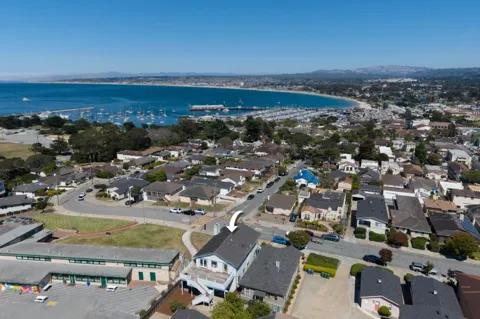
Monterey is a city in Monterey County, California, on the central coast at the southern end of Monterey Bay, along the scenic Highway 1 corridor between Santa Cruz and Big Sur. The 2020 census counted about 29,700 residents, but the city's importance to California history far exceeds its size. Founded in 1770 with the establishment of a Spanish mission and presidio, Monterey became the capital of Alta California under both Spanish and Mexican rule, and its old town preserves one of the state's earliest European-built environments, including adobe buildings from the Spanish and Mexican eras. The city's modern identity is shaped by the water. By the 1940s, Cannery Row was lined with nineteen sardine canneries harvesting more than 250,000 tons per season, earning Monterey the title "Sardine Capital of the World." When the sardine population collapsed after the war, the canneries closed, and the waterfront was reimagined: the Hovden Cannery became the Monterey Bay Aquarium when it opened in 1984, and the district now holds hotels, restaurants, and shops. Fisherman's Wharf, the aquarium, and the annual Monterey Jazz Festival make the city one of California's premier coastal destinations, a role reinforced by its setting along one of the country's most celebrated coastal drives. Residentially, Monterey offers an urban-suburban mix of historic homes, apartments, and waterfront districts, served by the Monterey Peninsula Unified School District and home to the Middlebury Institute of International Studies. The city sits between Pacific Grove and Carmel, with the Presidio of Monterey anchoring its hills. Monterey suits those seeking a walkable, culturally rich coastal city with deep history, a cool maritime climate, and immediate access to the Monterey Peninsula's natural beauty and world-class attractions.
Monterey is in Monterey County, California, on the central coast at the southern end of Monterey Bay. It sits along the Highway 1 corridor, near the neighboring communities of Pacific Grove and Carmel-by-the-Sea.
Monterey is known for the Monterey Bay Aquarium, Cannery Row, and Fisherman's Wharf, along with its history as the capital of Spanish and Mexican Alta California and its annual Monterey Jazz Festival.
Yes. Monterey was founded in 1770 and served as the capital of Alta California under both Spanish and Mexican rule, before the capital moved to Sacramento after California became a state.
Monterey is served by the Monterey Peninsula Unified School District, which operates about 23 schools and serves roughly 9,950 students across the Monterey Peninsula. The Middlebury Institute of International Studies is also based in the city.
Cannery Row is Monterey's historic waterfront district, once lined with sardine canneries that made the city the 'Sardine Capital of the World.' After the canneries closed, the buildings were adapted into shops, restaurants, and the Monterey Bay Aquarium.
City Guide
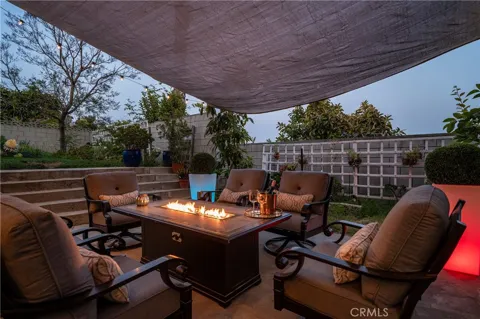
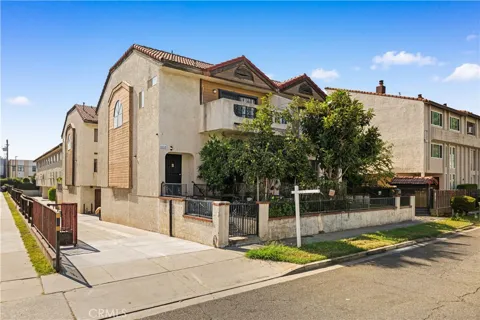
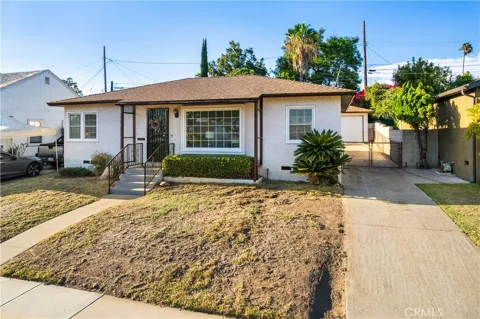
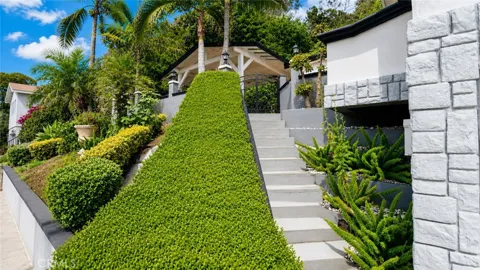
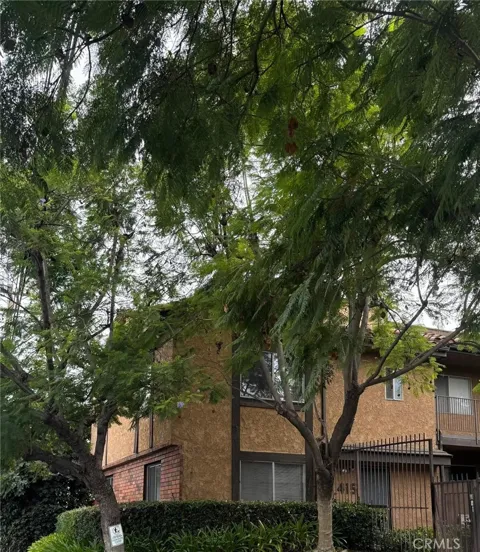
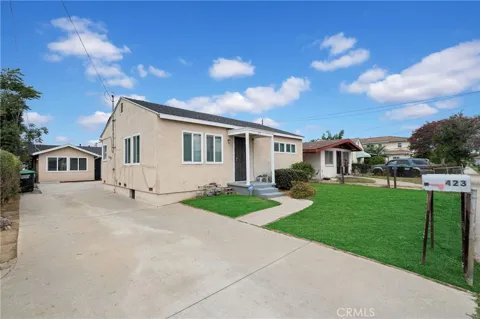
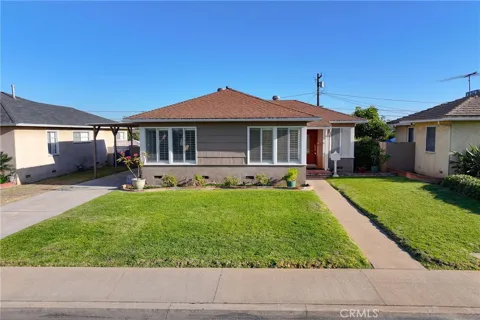
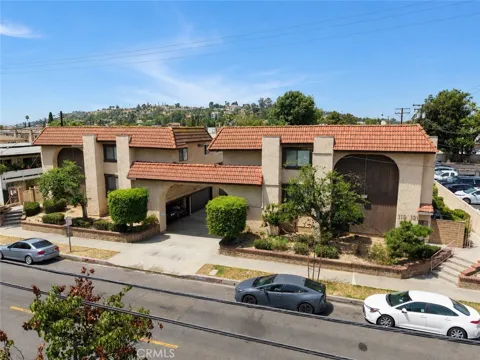
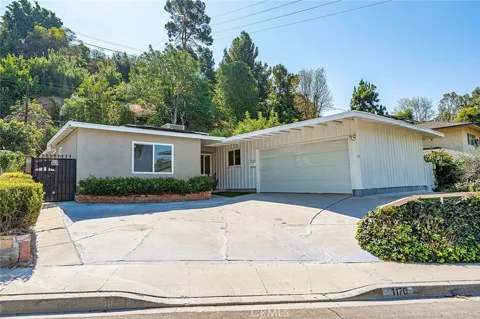
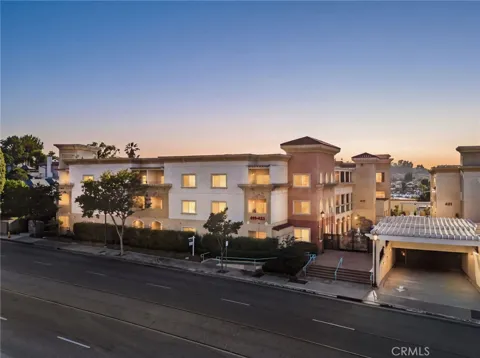
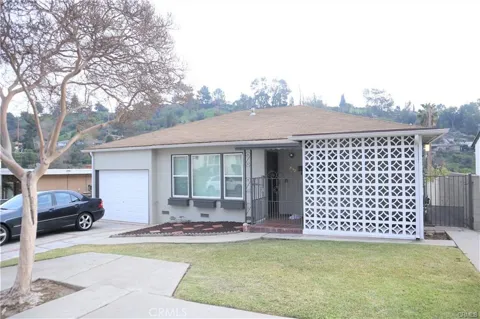
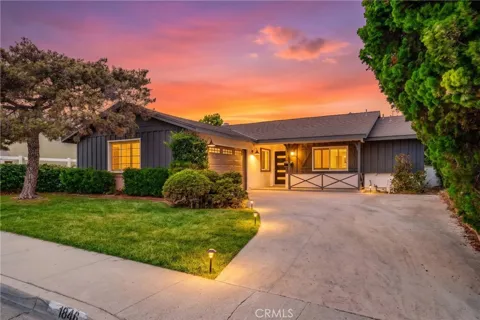
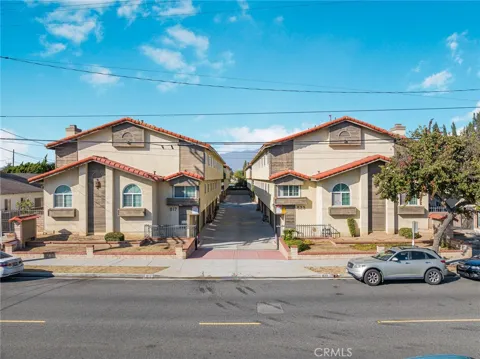
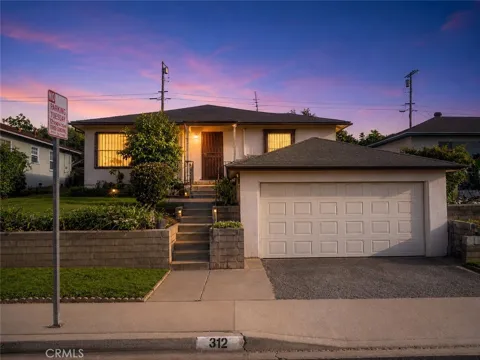
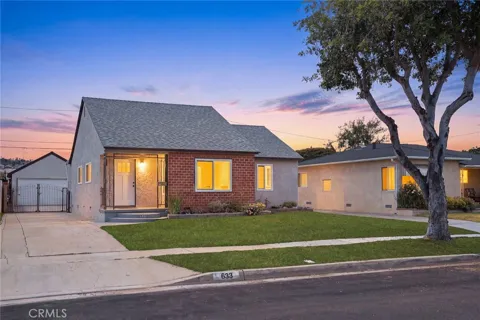
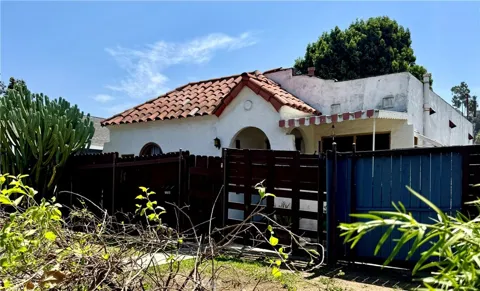
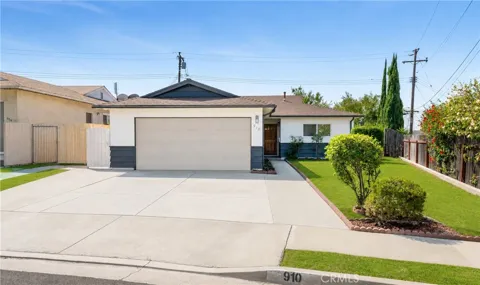
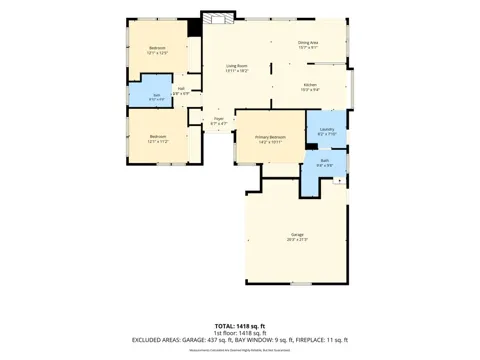
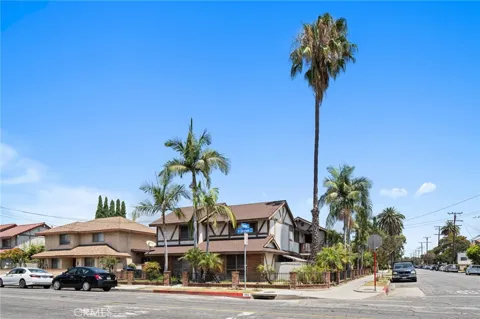
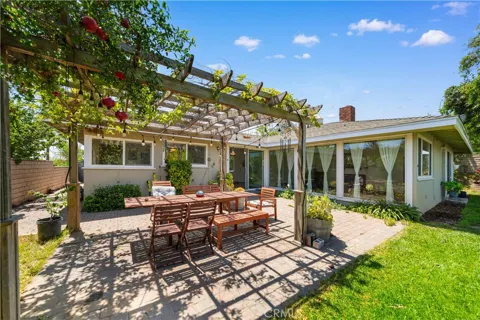
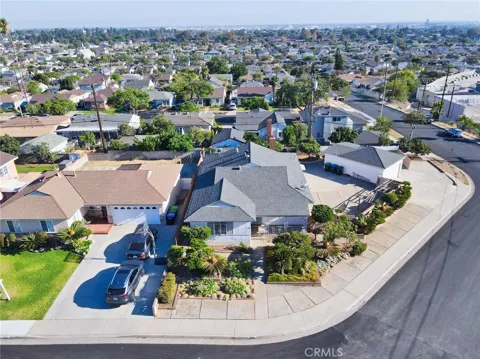
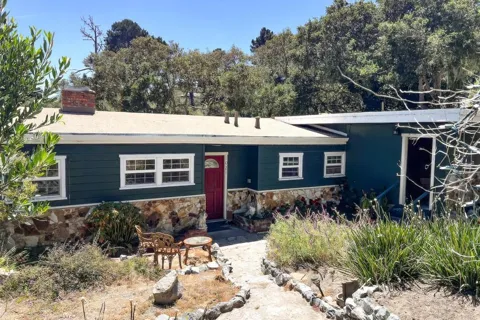
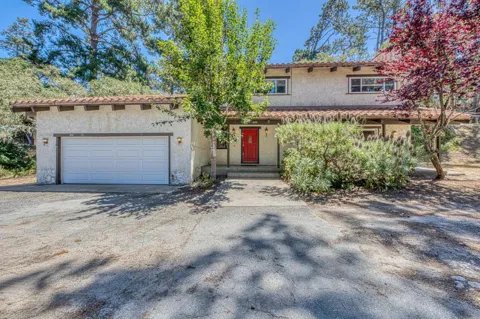
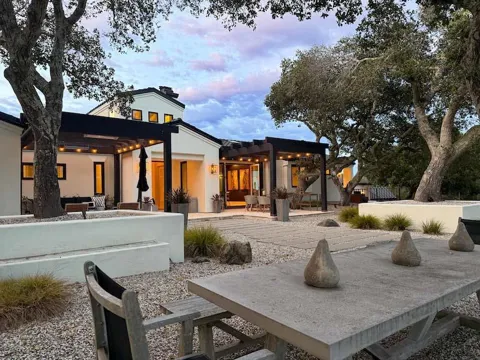
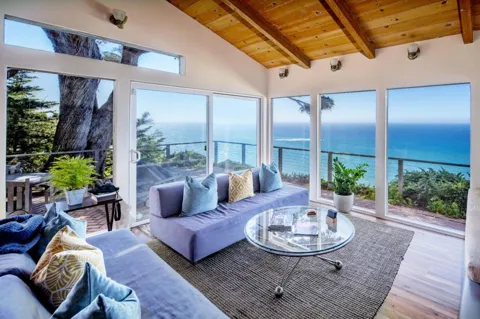
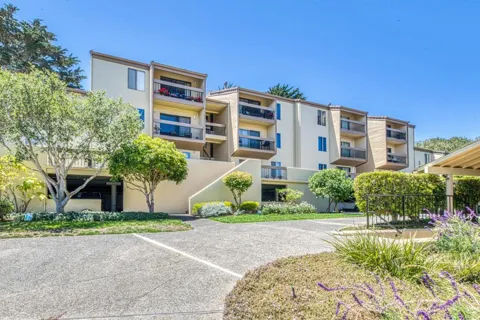
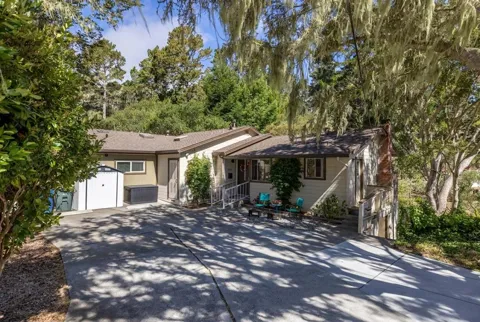
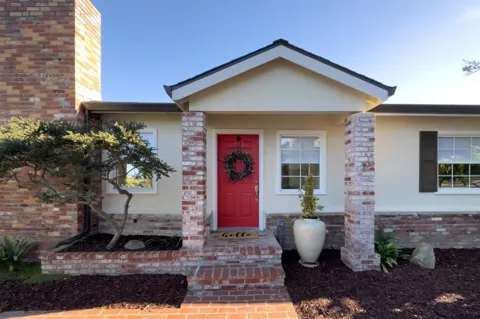
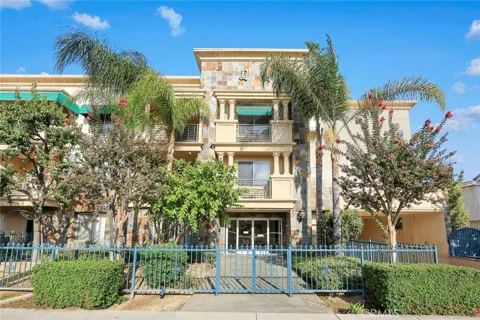
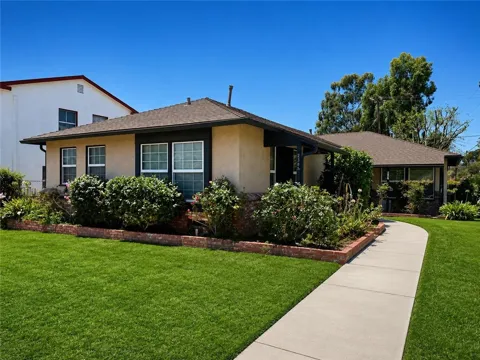
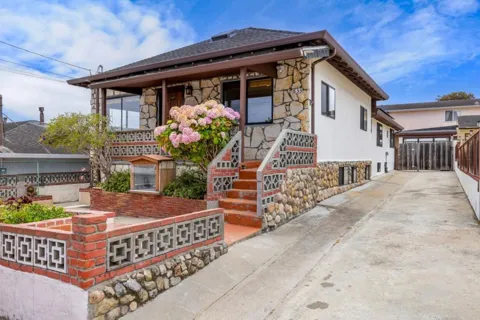
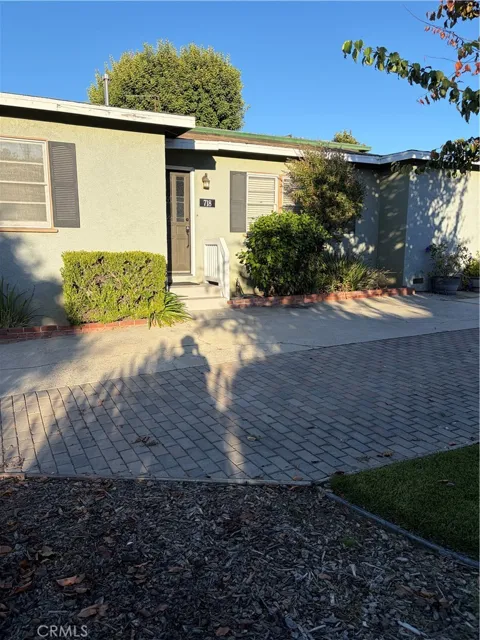
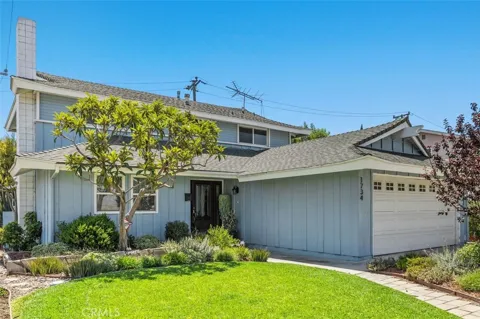
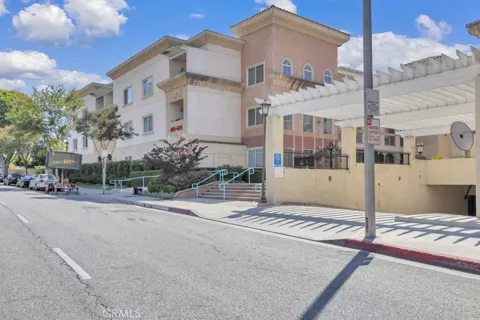
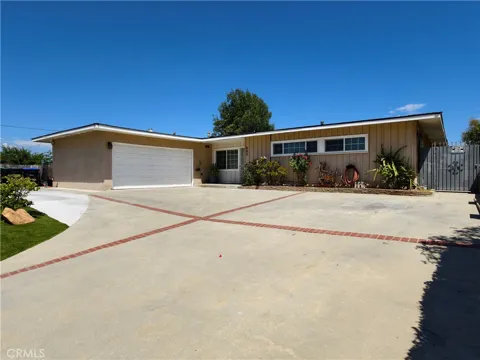
Monterey's housing reflects its layered history and waterfront setting. The city holds a mix of historic homes and older single-family houses in neighborhoods like New Monterey and around Lake El Estero, alongside apartments and condominiums closer to the waterfront and downtown. The housing stock is denser than the neighboring communities of Pacific Grove and Carmel, with a notable share of renters. Development is constrained by the peninsula's geography and the city's historic fabric, so the market skews toward established properties rather than large new subdivisions. Buyers are drawn by coastal proximity, history, and the peninsula's prestige, accepting limited land and higher density near the bay.
Monterey's neighborhoods include New Monterey, a residential district on the city's southwest side bordered by Pacific Grove, the Presidio of Monterey, and Cannery Row; the historic Old Town and downtown around the waterfront; and the Lake El Estero area, where apartments and single-family homes cluster near the city's central lake. The city blends at its edges into Pacific Grove and the Monterey Peninsula's other communities. This structure gives Monterey a mix of a tourist-oriented waterfront, a working downtown, and quieter residential streets, with the Presidio and the bay shaping the city's geography throughout.
Monterey's lifestyle is defined by the bay and a rich cultural calendar. The waterfront is the city's living room, with Cannery Row, Fisherman's Wharf, and the Monterey Bay Aquarium drawing visitors year-round, while the annual Monterey Jazz Festival and California Roots Music and Arts Festival anchor the arts scene. Residents enjoy a walkable downtown, a cool coastal climate, and easy access to the Monterey Peninsula's beaches, bike paths, and coastal trails. The city has an urban-suburban mix, with tourism shaping its energy but residential neighborhoods retaining a settled, historic feel. It is a place for those drawn to coastal living, history, and a world-class cultural destination.
Monterey is served by the Monterey Peninsula Unified School District, which operates about 23 schools and serves roughly 9,950 students across the Monterey Peninsula. The city is also home to the Middlebury Institute of International Studies, a graduate school with a global focus, adding a higher-education presence to the community. For families, the district provides a comprehensive K-12 pathway across the peninsula, while the city's cultural and educational institutions enrich the broader learning environment. Monterey's schools are part of a community that values both its history and its coastal setting.
Monterey sits on the Highway 1 corridor, the coastal route that links the city north toward Santa Cruz and south toward Big Sur, and connects to the broader Monterey Peninsula road network. Monterey Regional Airport, just east of the city, provides regional air service, making the peninsula more accessible than its coastal setting might suggest. Pacific Grove, Carmel, and Pebble Beach are minutes away by car, and the city itself is walkable, particularly downtown and along the waterfront. For residents, the combination of Highway 1, a local airport, and a compact urban core supports both daily life and regional travel.
Monterey's recreation is anchored by Monterey Bay. The Monterey Bay Aquarium is a world-class attraction at the water's edge, and Cannery Row and Fisherman's Wharf offer waterfront dining, shopping, and sightseeing. The city's coastal recreation trail runs along the bay for walking and cycling, and nearby beaches support kayaking, diving, and wildlife viewing, including sea otters and whales. The Monterey Jazz Festival and other music events add a cultural dimension, while the peninsula's golf courses, including the famous courses of Pebble Beach, lie minutes away. With Big Sur to the south and the rest of the peninsula within reach, Monterey is a genuine outdoor and cultural hub.
MARKET SNAPSHOT
How homes have been selling here over the last 90 days.
Market data reflects closed sales over the last 90 days and is provided for informational purposes.
BROWSE BY ZIP
Browse listings by postal code in this area.