Monterey Bay Surf City
About Santa Cruz, CA
Welcome to Santa Cruz, a Monterey Bay surf town and college city known for its historic boardwalk, redwood-covered hills, and Highway 17 commute to Silicon Valley.
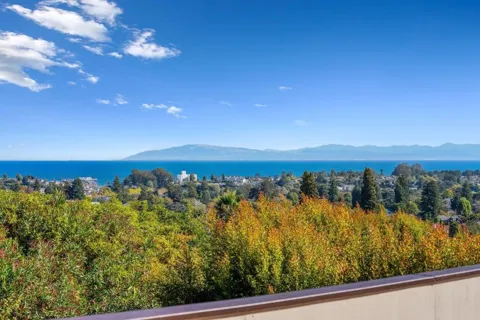
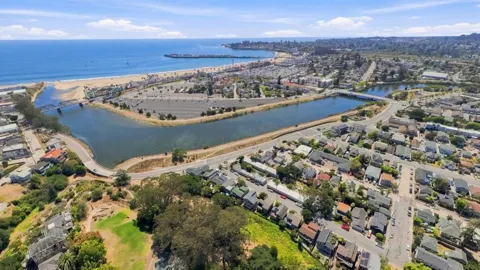
Santa Cruz is a city and the county seat of Santa Cruz County, California, occupying the northern shore of Monterey Bay at the base of the Santa Cruz Mountains. About 75 miles south of San Francisco and roughly 30 miles from San Jose over Highway 17, it functions both as a self-contained coastal city and as a residential outlier of the Silicon Valley economy. Its population is approximately 61,000, with Santa Cruz County home to more than a quarter-million people. The city's character is defined by the meeting of ocean, forest, and a famously relaxed culture. UC Santa Cruz, the University of California campus established in the 1960s, spreads across a hillside of redwood groves overlooking the bay and gives the city a steady presence of students, faculty, and research employment. Downtown Santa Cruz, with its independent shops and restaurants, Pacific Avenue corridor, and mix of Victorian and early-20th-century buildings, anchors civic life, while the beachfront draws visitors to the historic Santa Cruz Beach Boardwalk. Surfing is woven into Santa Cruz's identity. Three Hawaiian princes are credited with introducing the sport to the mainland here in 1885, and the city has since produced generations of surfers at breaks such as Cowell's, Steamer Lane, and Pleasure Point. The coastline's parks and beaches — Natural Bridges, Lighthouse Field, West Cliff Drive, and Seabright — make the ocean accessible in nearly every part of town, and the redwood parks of Henry Cowell and Wilder Ranch sit just minutes inland. Santa Cruz is also a commuter city. Highway 17 carries a daily flow of residents over the mountains to jobs in San Jose, Los Gatos, and the broader Santa Clara Valley, a drive that typically takes 25 to 50 minutes, while the Highway 17 Express bus links downtown Santa Cruz to San Jose's transit network. This combination of beach-town lifestyle, university energy, and Bay Area employment access shapes both who lives in Santa Cruz and the character of its housing market.
Frequently Asked Questions
What county is Santa Cruz in?
Santa Cruz is the county seat of Santa Cruz County, California, on the northern shore of Monterey Bay about 75 miles south of San Francisco. The county has a population of roughly a quarter-million people.
How far is Santa Cruz from San Jose and Silicon Valley?
Santa Cruz is roughly 30 miles from San Jose over Highway 17, a drive that typically takes 25 to 50 minutes depending on traffic. The Highway 17 Express bus also connects downtown Santa Cruz to San Jose's Diridon Station.
What is Santa Cruz known for?
Santa Cruz is known for its surf culture, the Santa Cruz Beach Boardwalk, UC Santa Cruz, and its redwood forests and beaches. Surfing was introduced to the mainland United States here in 1885, when three Hawaiian princes rode waves at the mouth of the San Lorenzo River.
What school district serves Santa Cruz?
The city of Santa Cruz is served by Santa Cruz City Schools, while surrounding areas fall within districts including Live Oak, Soquel, Scotts Valley, and Pajaro Valley. UC Santa Cruz is the area's major four-year institution, and Cabrillo College serves nearby Aptos.
What is the Santa Cruz Beach Boardwalk?
The Santa Cruz Beach Boardwalk is an oceanfront amusement park on Main Beach that opened in 1907, making it California's oldest surviving seaside amusement park. It features the Giant Dipper wooden roller coaster, a 1911 Looff Carousel, and seasonal events.
City Guide
About Santa Cruz
Real Estate & Housing
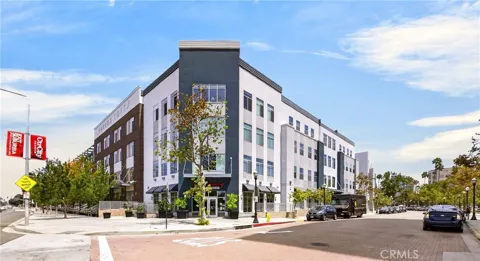
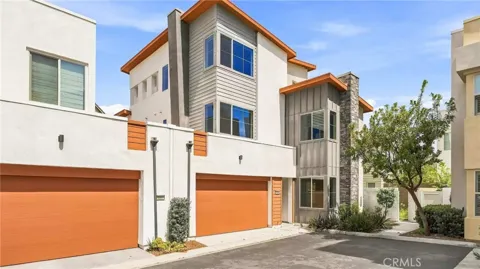
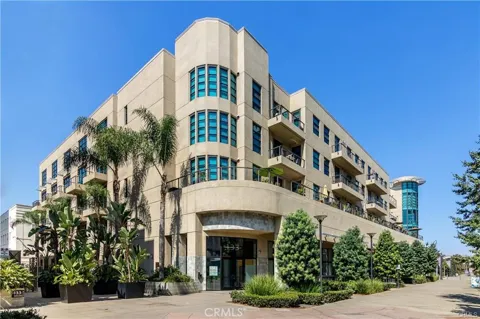
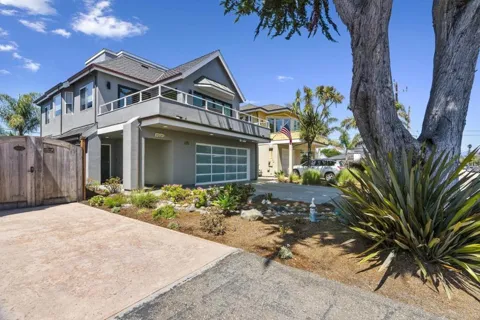
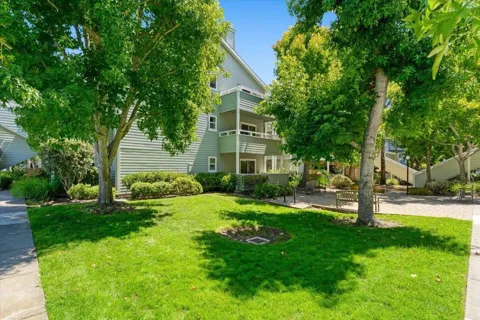
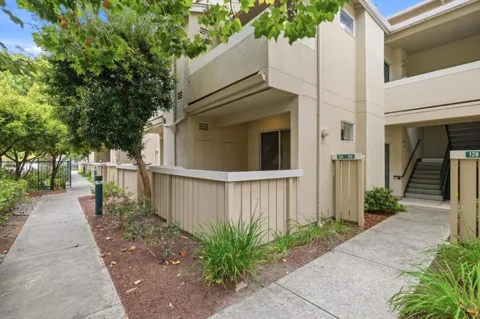
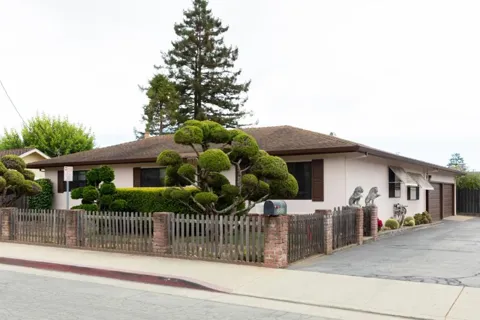
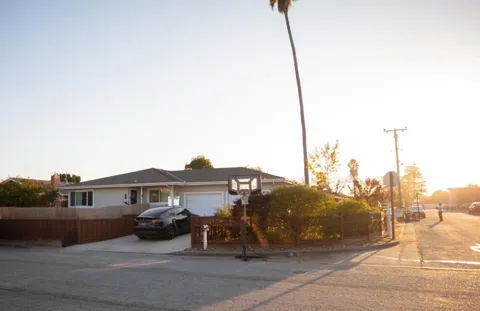
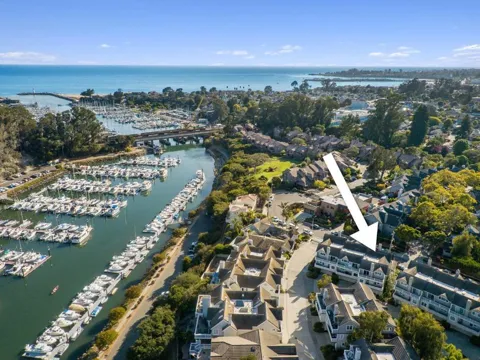
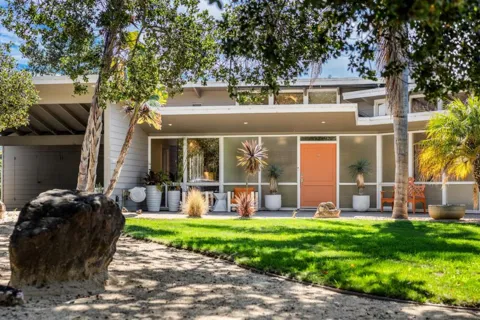
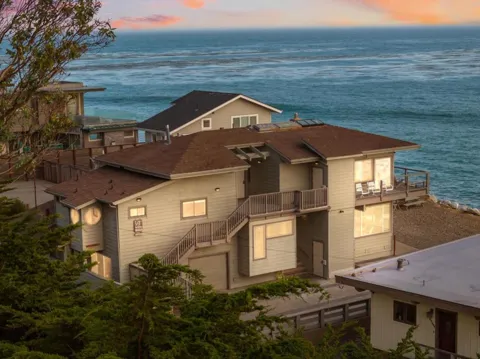
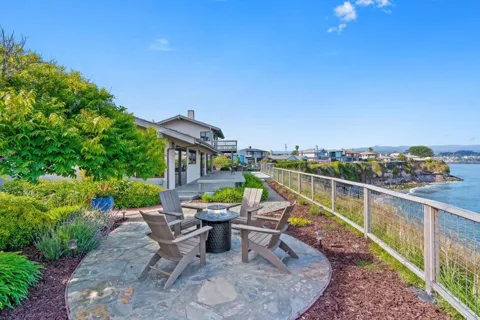
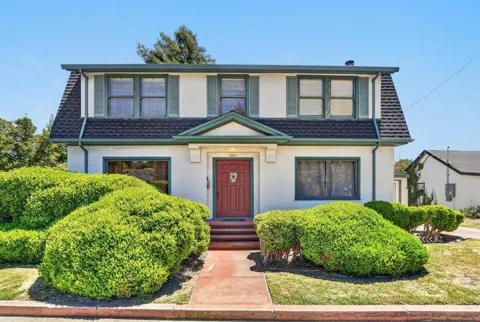
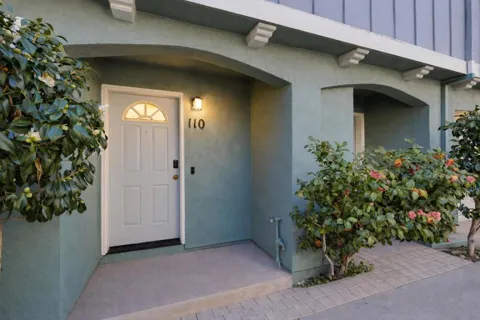
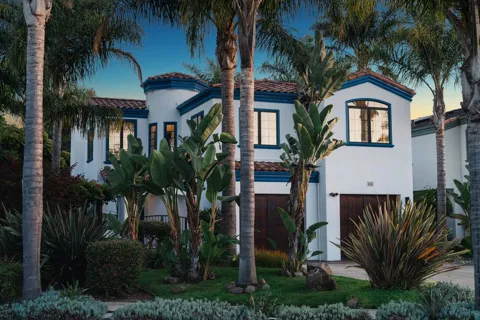
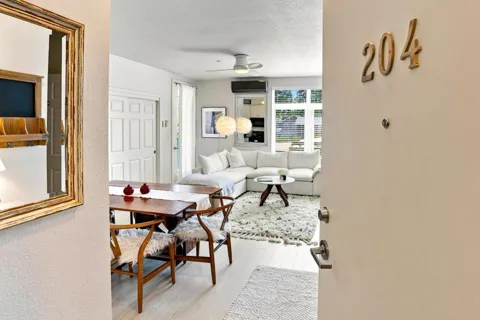
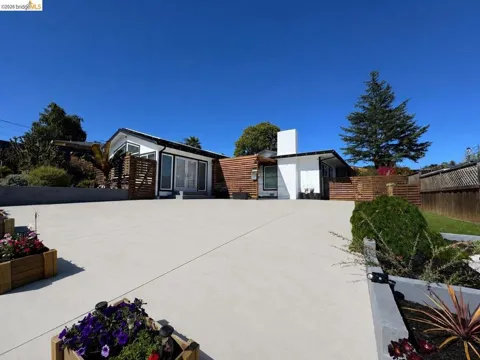
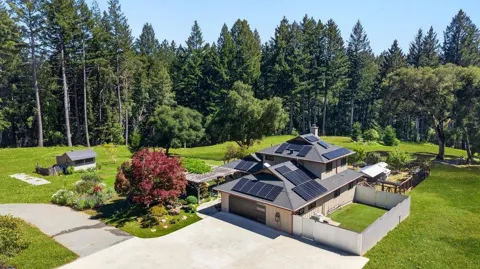
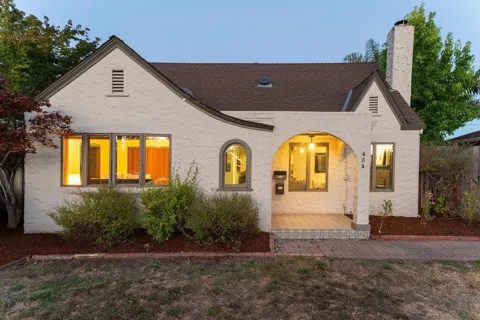
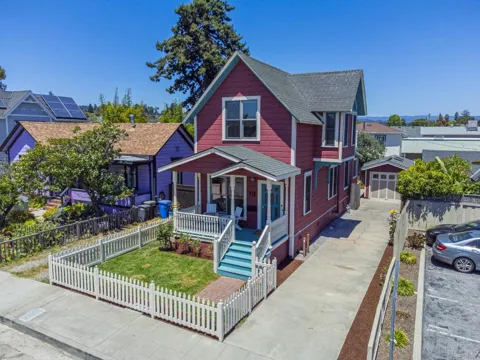
Santa Cruz's housing stock reflects more than a century of growth: late-19th-century Victorian homes near downtown, California Craftsman bungalows in Seabright and the Westside, mid-century homes, and newer contemporary construction on infill lots. Condominiums and townhomes cluster downtown and near the beach, while larger hillside properties and the unincorporated Live Oak area offer single-family options. Supply is constrained by the ocean on one side and protected mountain land on the other, which keeps the market tight relative to demand from local buyers and Silicon Valley commuters. Historic preservation is notable, with many turn-of-the-century homes maintained as neighborhood landmarks.
Neighborhoods
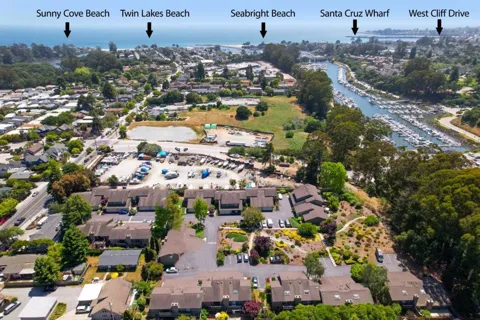
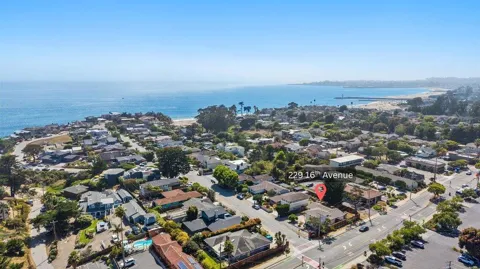
Santa Cruz's neighborhoods each carry a distinct feel. The Westside mixes surf shops, the Swift Street commercial area, Natural Bridges State Beach, and the Seymour Marine Discovery Center with older bungalows and newer homes. Seabright, between the San Lorenzo River and the harbor, offers classic beach cottages near Seabright Beach and the yacht harbor. Midtown and the Eastside, including the Pleasure Point surf enclave and Live Oak, provide more family-oriented housing. Downtown and the surrounding Prospect Heights and Mission Hill districts hold the city's oldest homes near restaurants and services, while the Pasatiempo area offers hillside and golf-course settings close to Highway 17.
Lifestyle in Santa Cruz
Santa Cruz life is outdoor-oriented and famously laid-back. Surfing, mountain biking, and beachgoing are everyday activities rather than special occasions, and the city's farmers' markets, independent bookstores, coffee culture, and live-music scene give downtown a distinct, bohemian energy. The Santa Cruz Beach Boardwalk anchors summer tourism, while UC Santa Cruz contributes lectures, arts events, and a steady student presence. Dining spans casual taquerias and seafood spots to acclaimed farm-to-table restaurants reflecting the surrounding agricultural county. The lifestyle balances small-city scale with the cultural and employment pull of the wider Bay Area.
Schools & Education
Public education in Santa Cruz is provided by Santa Cruz City Schools for the city proper, with the larger county served by districts including Live Oak, Soquel, Scotts Valley, and Pajaro Valley. The presence of UC Santa Cruz — a major research university set among redwoods above the city — is the area's defining educational institution, drawing students and faculty from across the country. Cabrillo College in nearby Aptos provides community-college pathways, and a network of public and private schools serves the region's families. School choice and district boundaries vary by neighborhood, a common consideration for relocating households.
Getting Around
Highway 17 is Santa Cruz's lifeline to the Bay Area, climbing through the mountains to Los Gatos, San Jose, and the Silicon Valley in roughly 25 to 50 minutes depending on traffic. Highway 1 runs north toward Half Moon Bay and south toward Watsonville and Monterey. The Highway 17 Express, operated by Santa Cruz METRO in partnership with VTA, provides commuter bus service between downtown Santa Cruz and San Jose's Diridon Station, connecting to Caltrain and BART. Within the city, METRO buses and an increasingly bike-friendly street network serve local trips, though the coastal hills and narrow corridors make car travel dominant.
Parks & Recreation
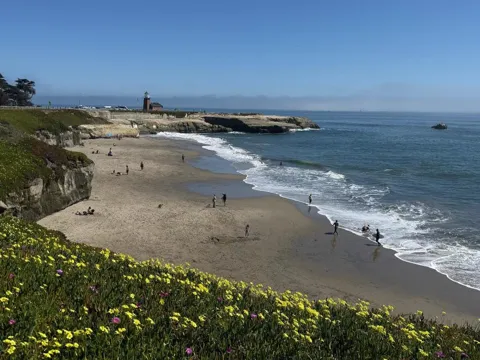
Recreation in Santa Cruz centers on the coast and the redwoods. Surfers work breaks from Cowell's and Steamer Lane to Pleasure Point, while walkers and cyclists use the West Cliff Drive path and the Monterey Bay shore. Natural Bridges State Beach is known for its rock arch and monarch butterfly grove, and Lighthouse Field and Seabright Beach add open shoreline. Just inland, Henry Cowell Redwoods State Park and Wilder Ranch State Park offer old-growth redwood groves, hiking, and mountain-biking trails, with the UC Santa Cruz upper campus and Pogonip preserve adding more. The Beach Boardwalk supplies classic seaside amusement.
MARKET SNAPSHOT
The Market at a Glance
How homes have been selling here over the last 90 days.
Price & Sales History
Market data reflects closed sales over the last 90 days and is provided for informational purposes.
For sale
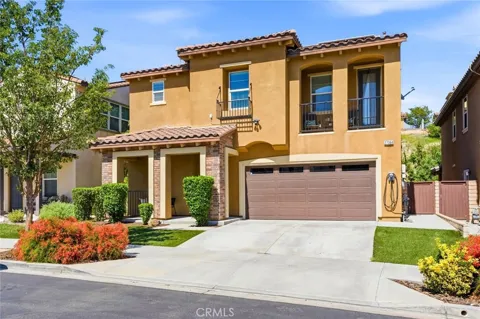
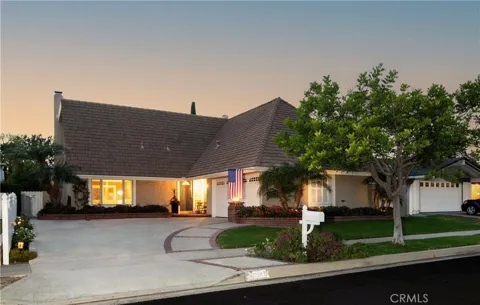
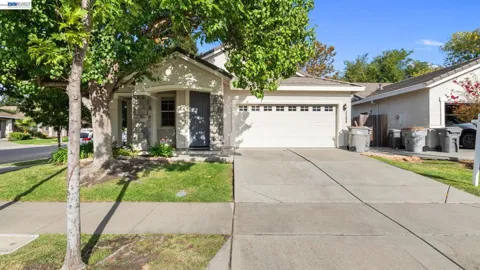
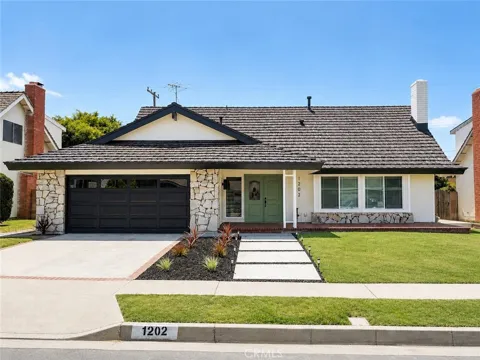
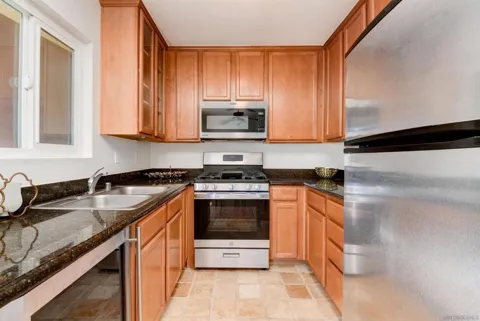
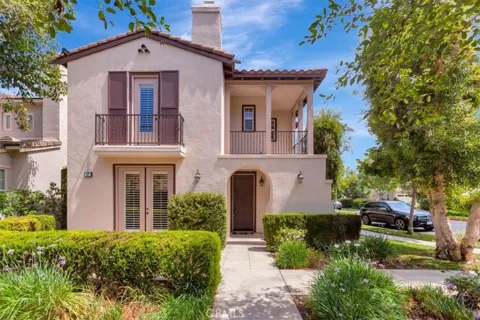
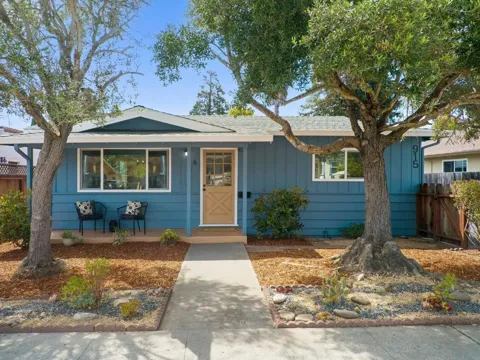
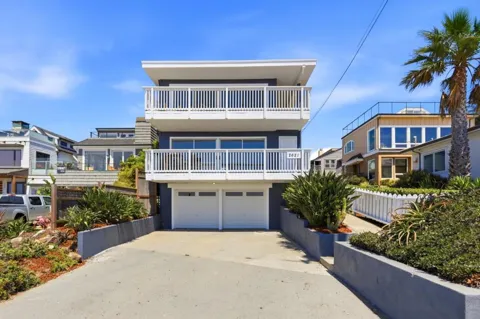
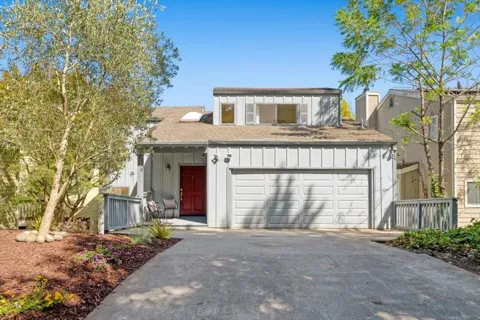
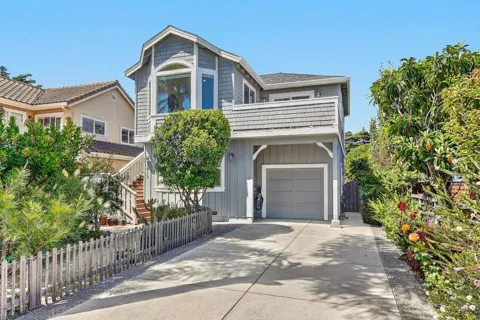
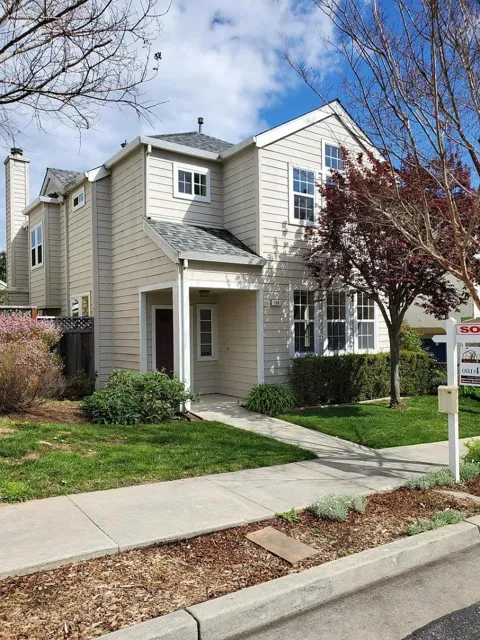
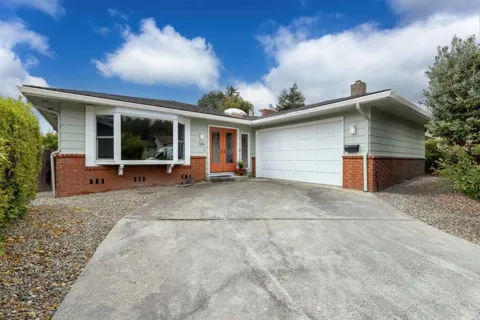
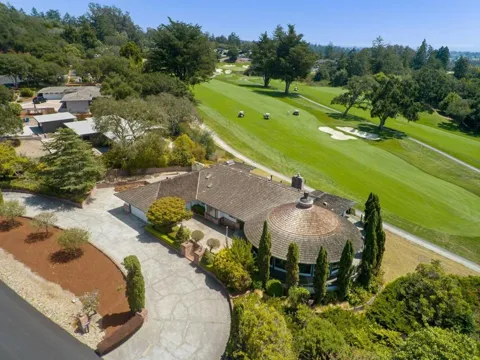
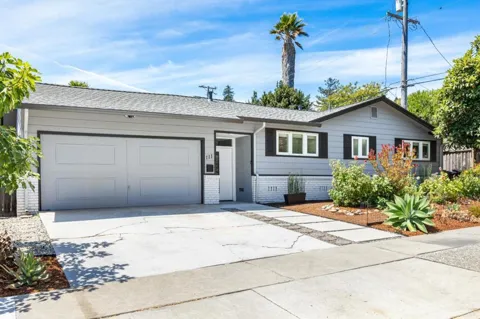
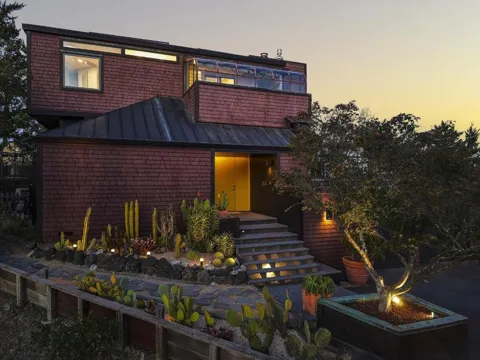
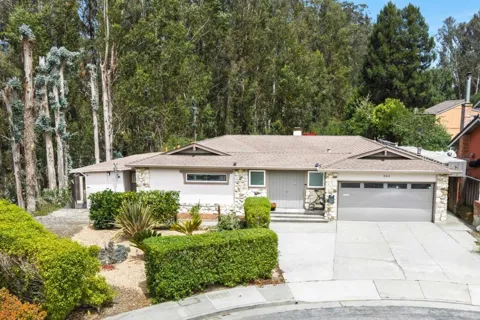
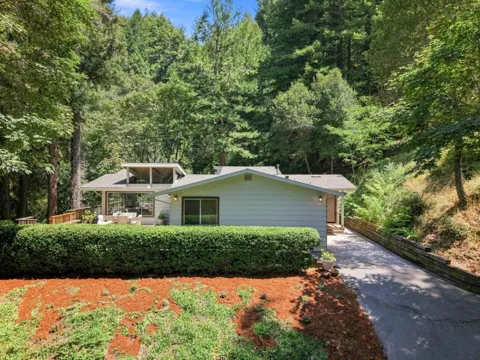
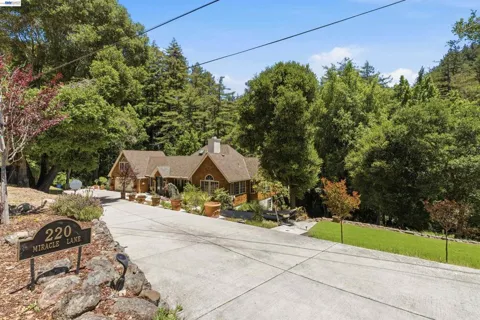
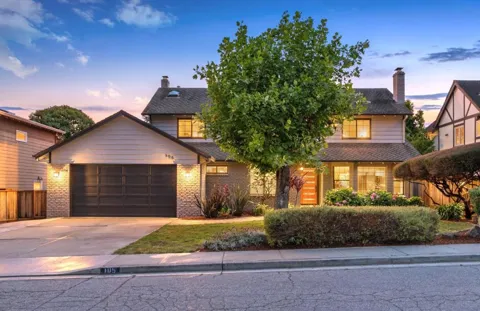
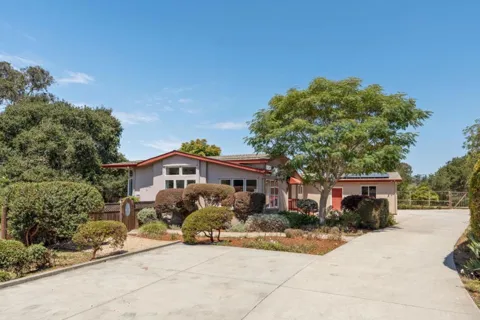
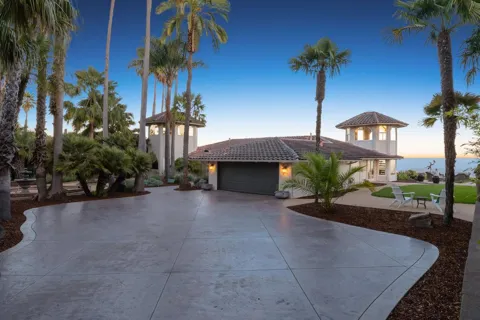
Houses in Santa Cruz, CA
Handpicked properties hitting the scene in your area.
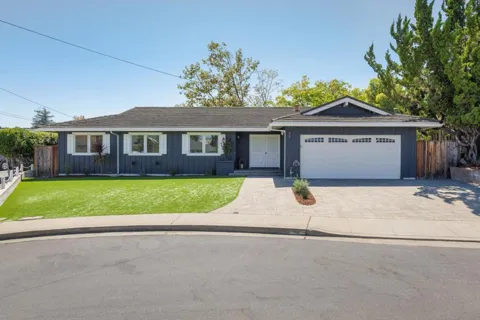
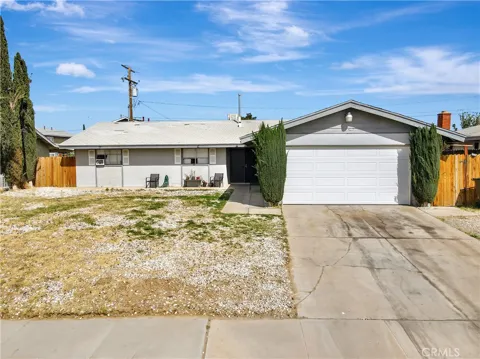
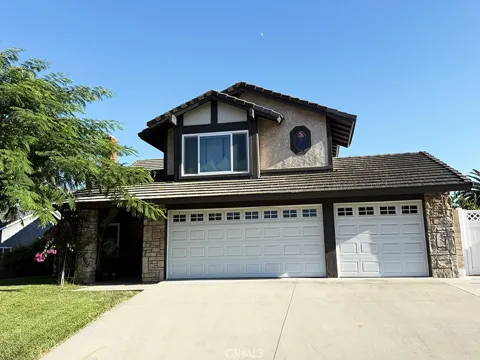
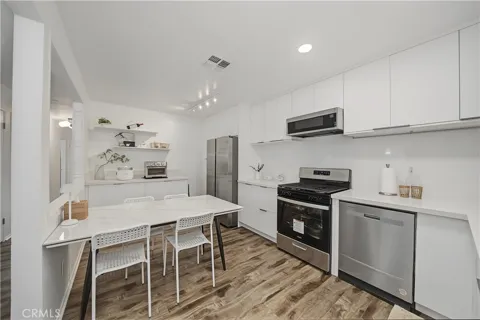
For sale
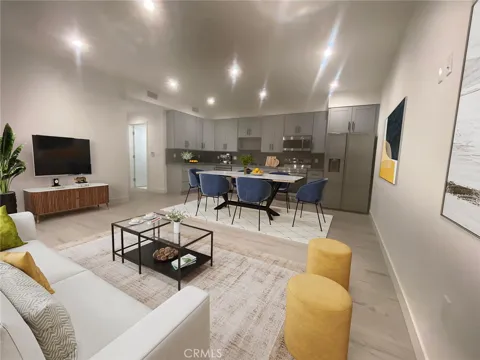
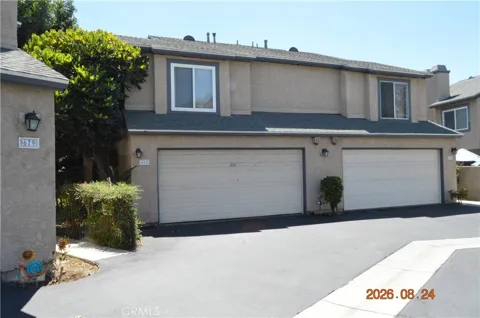
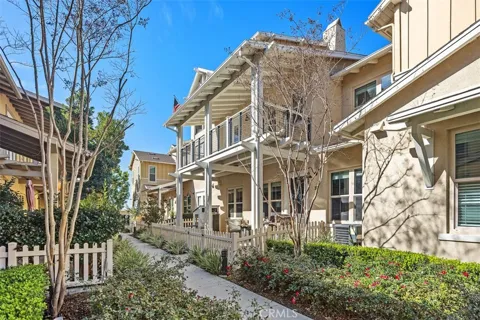
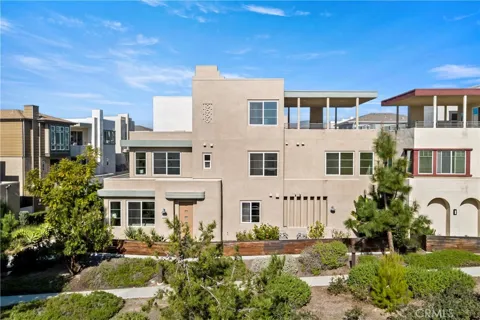
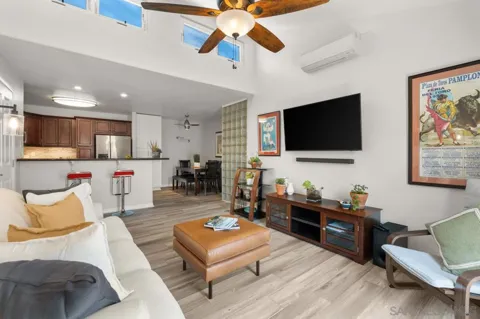
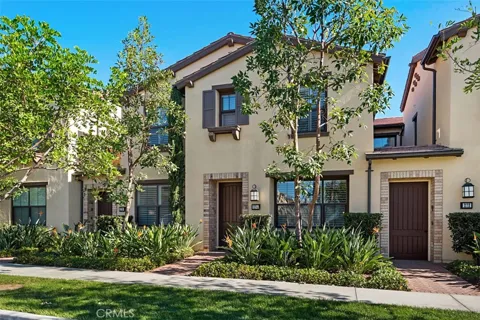
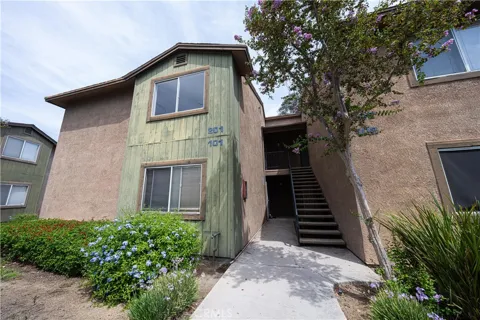
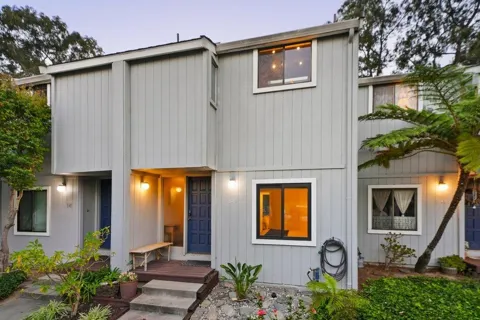
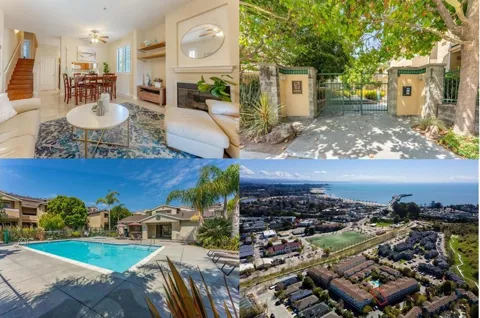
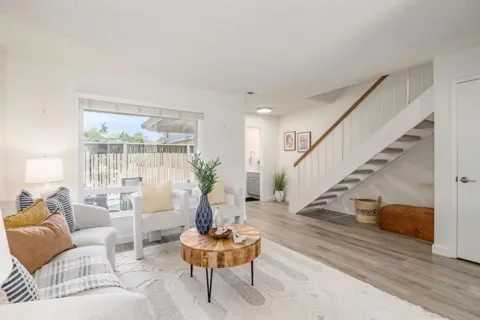
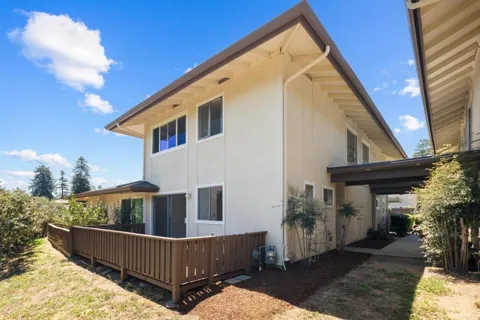
Townhomes in Santa Cruz, CA
Handpicked properties hitting the scene in your area.
For sale
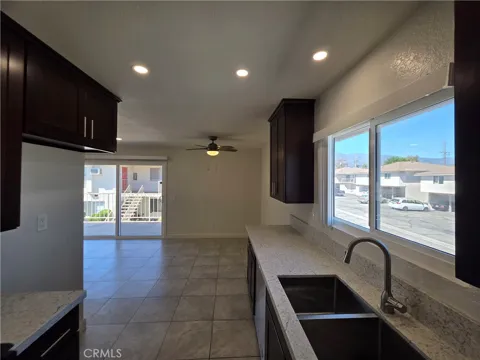
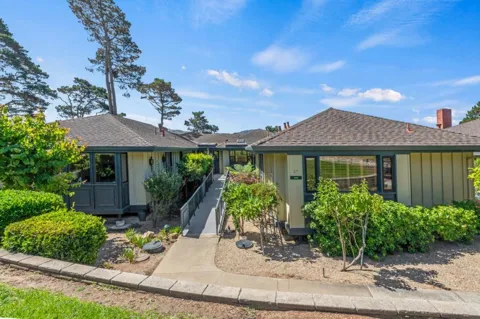
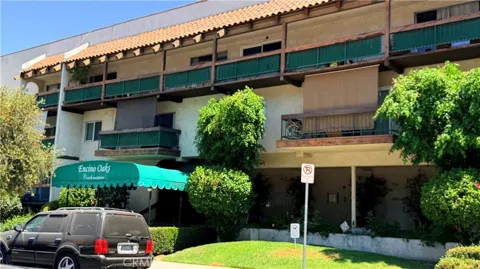
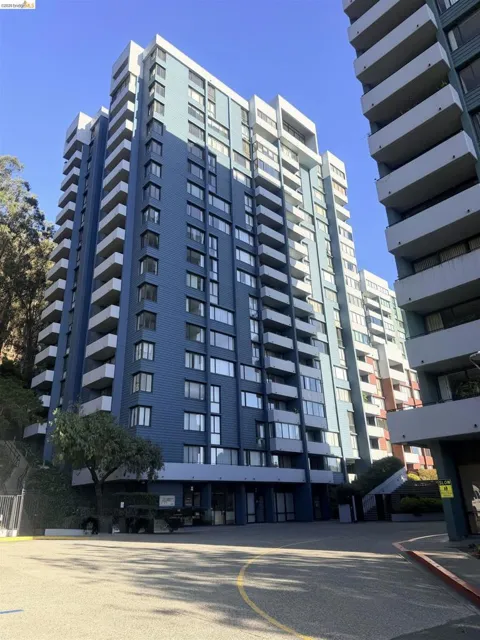
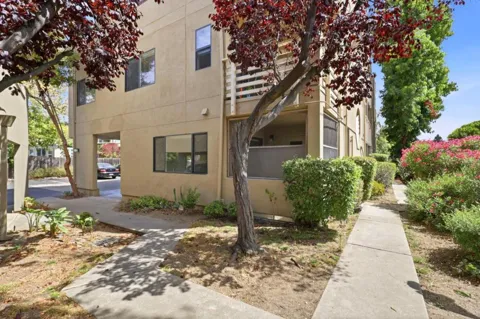
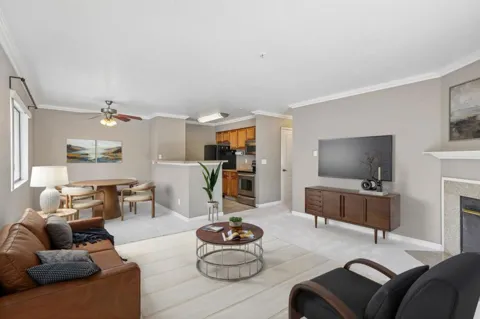
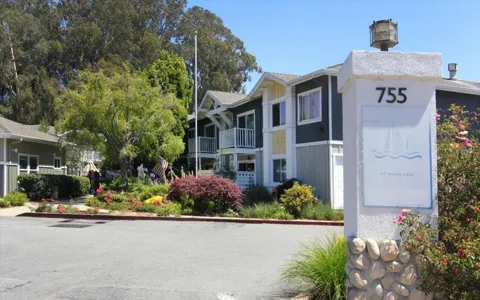
Condos in Santa Cruz, CA
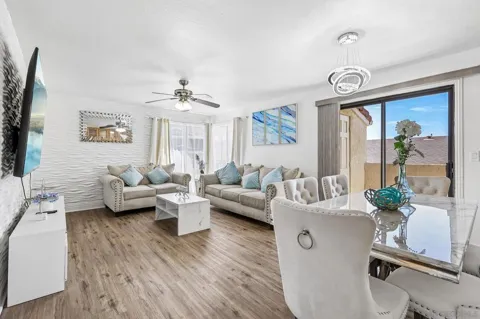
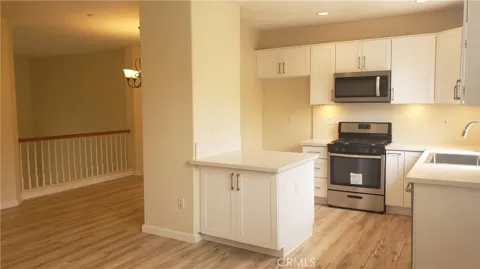
Handpicked properties hitting the scene in your area.
Zip Codes
BROWSE BY ZIP
Browse listings by postal code in this area.
- Grid
- Map
- List
537 N. Euclid Ave Ste:100 Ontario, CA 91762