First Planned Community in the Valley
Welcome to Panorama City, the San Fernando Valley's first planned community, a dense, diverse Los Angeles neighborhood built in 1948 around Kaiser Permanente's medical center.
Panorama City is a densely populated neighborhood in the San Fernando Valley region of the city of Los Angeles, California. Developed beginning in 1948 by residential developer Fritz B. Burns and industrialist Henry J. Kaiser, it is widely regarded as the San Fernando Valley's first planned community, with a master plan drawn by the architecture firm Wurdeman & Becket. The neighborhood rose from what had been one of Southern California's largest dairy and sheep ranches, and its post-war design — a grid of modest single-family homes, garden apartments, and commercial strips — helped shape the Valley's mid-century growth. Today Panorama City is one of the Valley's most vibrant and diverse communities. Home to roughly 70,000 residents, it has the highest population density in the San Fernando Valley and a notably young median age. More than half of its residents were born abroad, with the majority tracing their origins to Mexico, along with significant Central American and Asian populations, including a sizable Filipino community. This mix gives the neighborhood a lively, multicultural commercial character along Van Nuys Boulevard and Roscoe Boulevard. The Kaiser Permanente Panorama City Medical Center is the neighborhood's anchor institution, a major hospital and employer that reflects the community's origins under Henry Kaiser. Retail hubs such as the Panorama Mall and The Plant shopping center serve the area, and the neighborhood is bounded by major freeways, including the 405 and 170. Panorama City functions as an urban-suburban hybrid: dense and walkable in parts, yet residential in feel. Its central location in the Valley places residents near the Sepulveda Basin Recreation Area and Lake Balboa, and within reach of employment across Los Angeles. It remains a practical, family-oriented community at the geographic heart of the San Fernando Valley.
Panorama City is not an independent city; it is a neighborhood within the City of Los Angeles, located in the San Fernando Valley. It lies in Los Angeles County, in Los Angeles City Council District 6.
Panorama City is known as the San Fernando Valley's first planned community, developed in 1948 by Fritz B. Burns and Henry J. Kaiser. It is also home to the Kaiser Permanente Panorama City Medical Center, a major regional employer.
Panorama City is served by the Los Angeles Unified School District. Neighborhood campuses include Panorama City Elementary, Van Nuys Middle School, and Panorama High School, which hosts magnet programs serving students from across the area.
Panorama City is in Los Angeles County, California, within the city of Los Angeles. It sits in the San Fernando Valley, roughly fifteen miles northwest of downtown Los Angeles, between the 405 and 170 freeways.
Panorama City was developed by residential builder Fritz B. Burns and industrialist Henry J. Kaiser as a post-World War II planned community, with a master plan by the architecture firm Wurdeman & Becket. Construction began in 1948.
City Guide
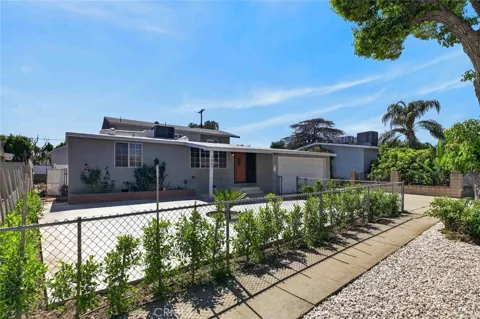
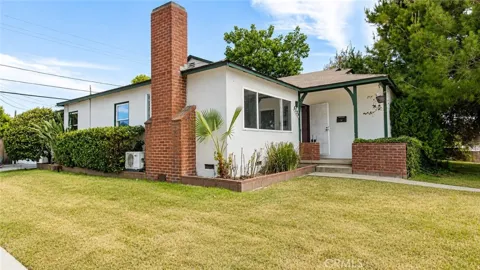
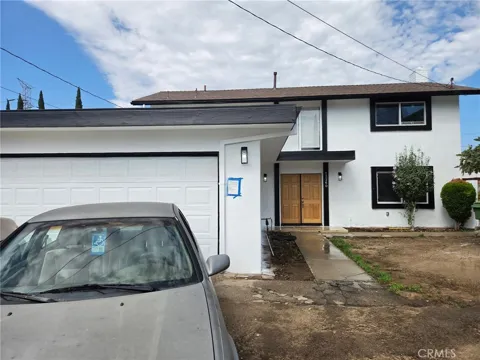
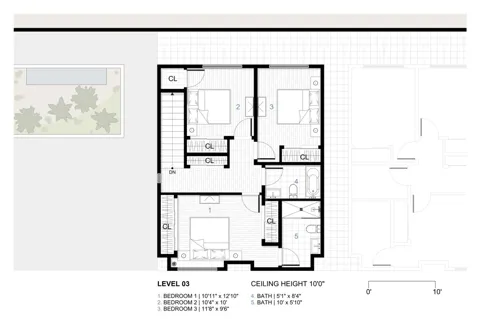
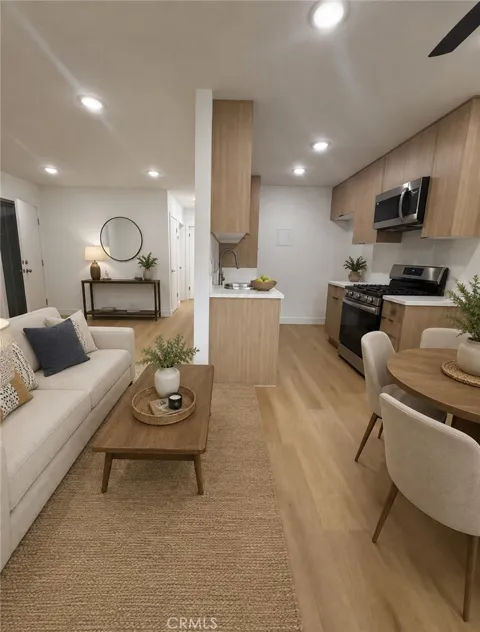
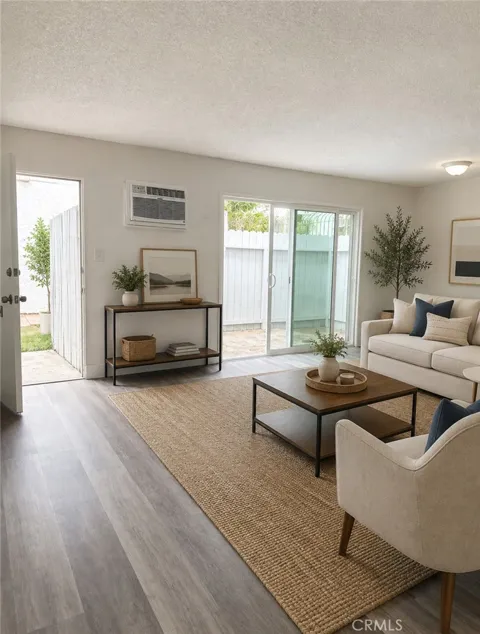
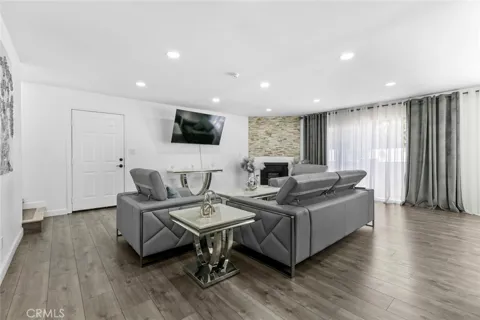
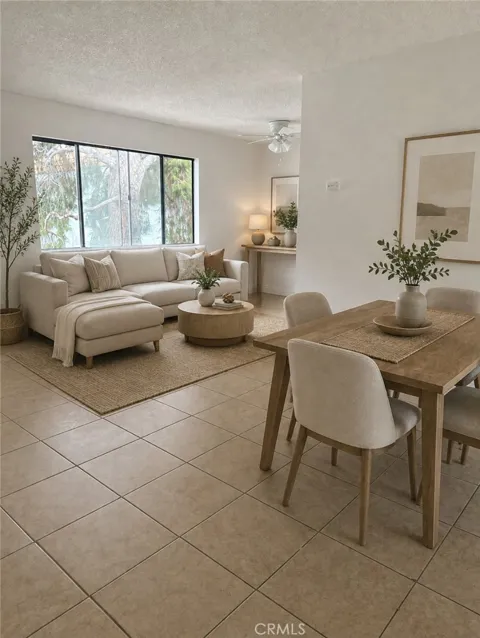
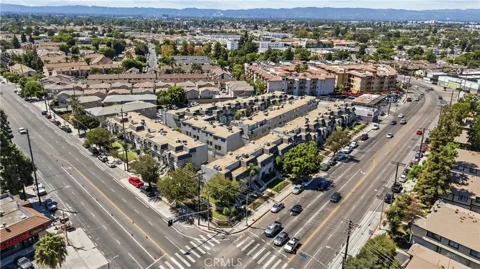
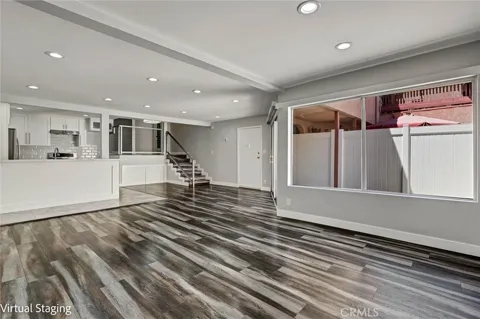
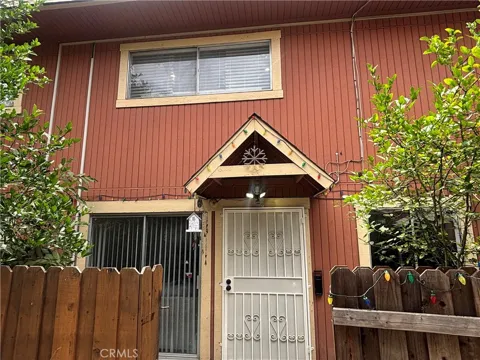
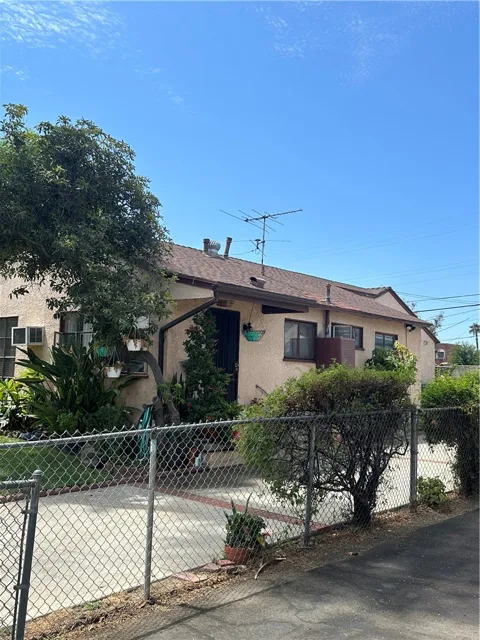
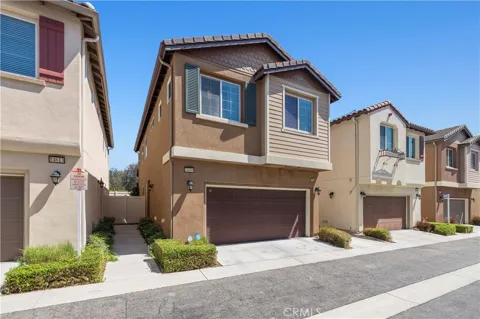
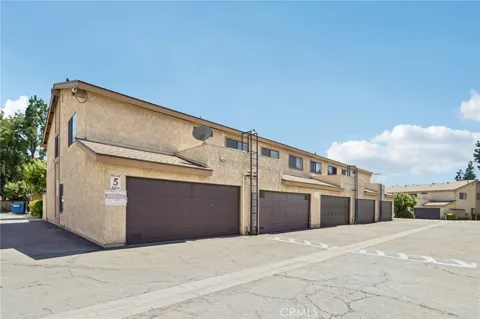
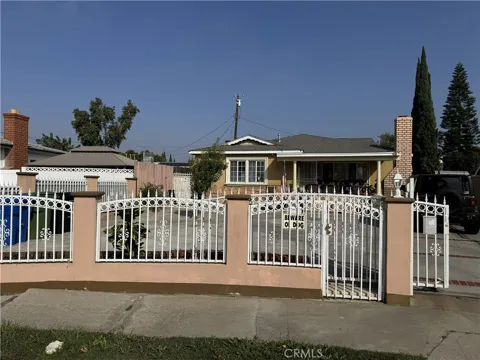
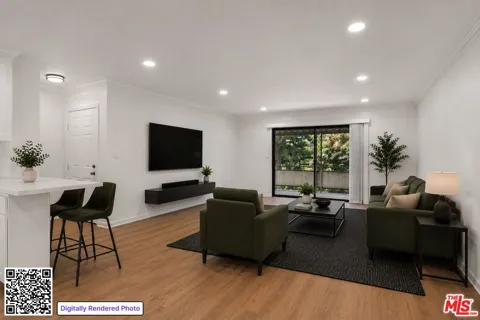
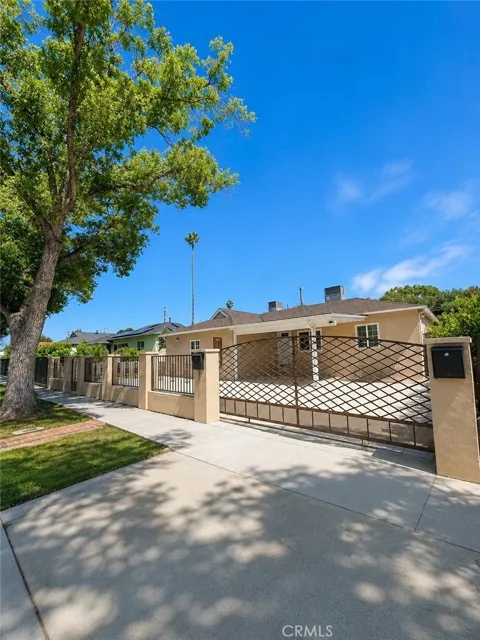
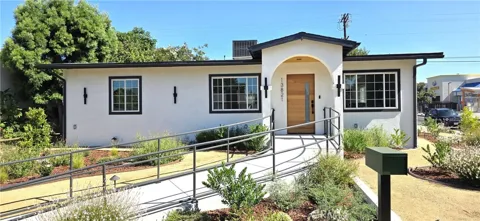
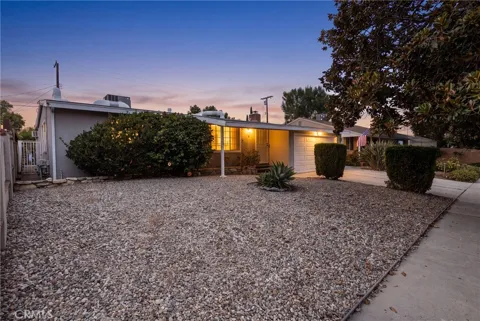
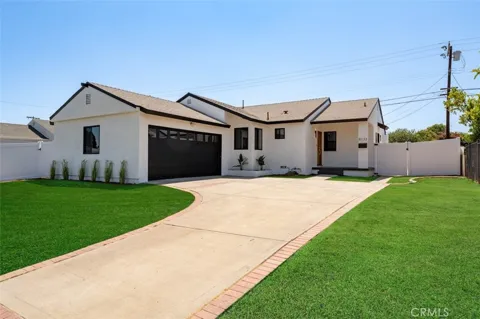
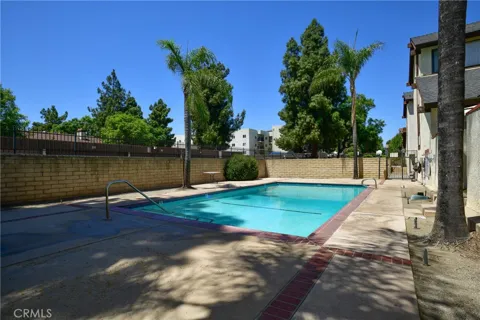
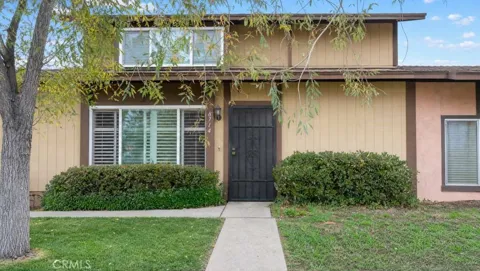
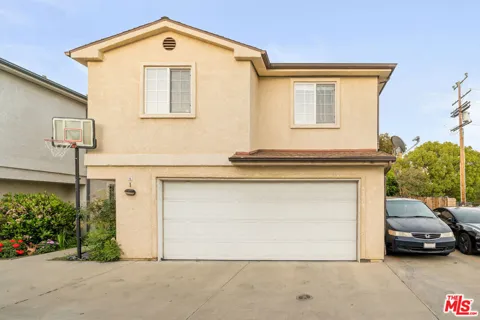
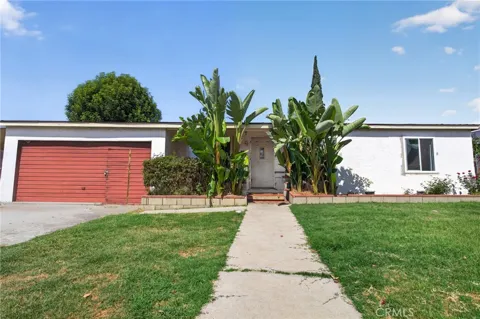
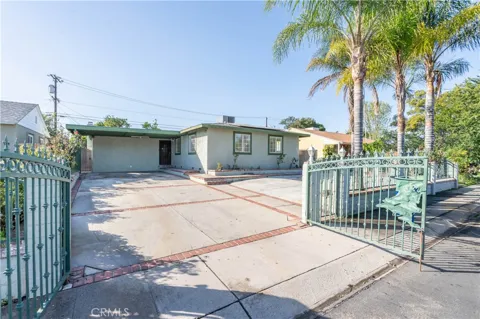
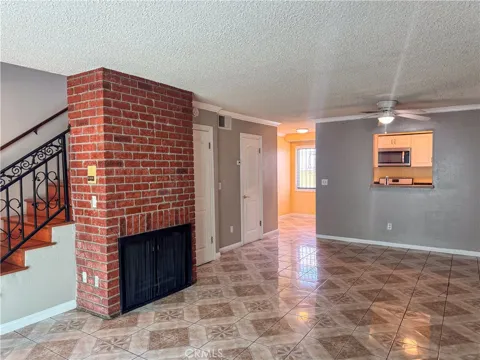
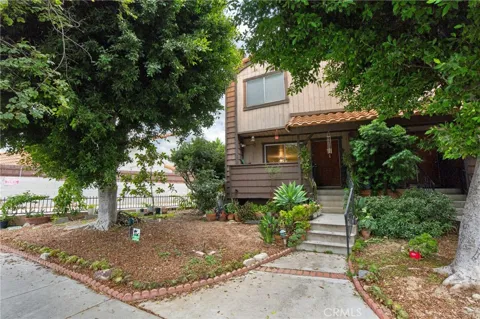
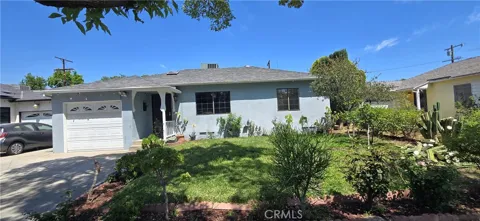
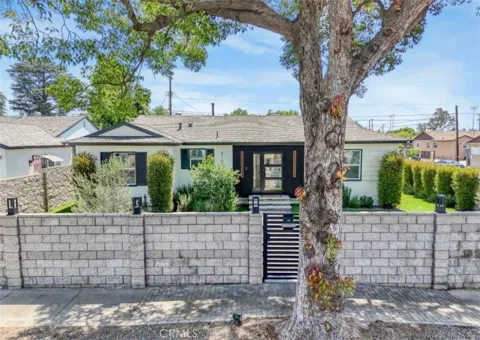
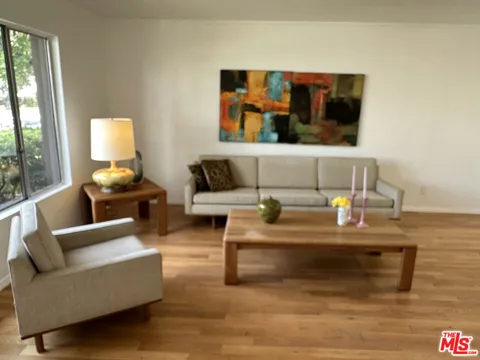
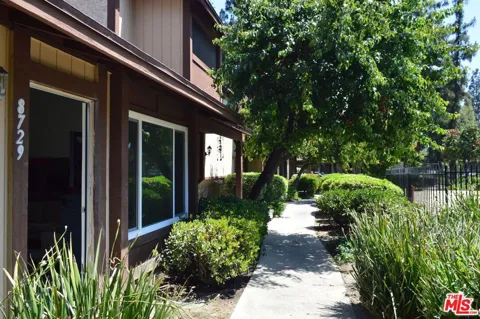
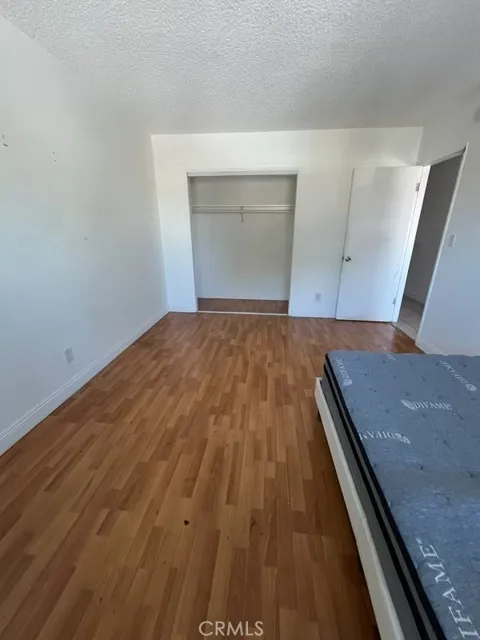
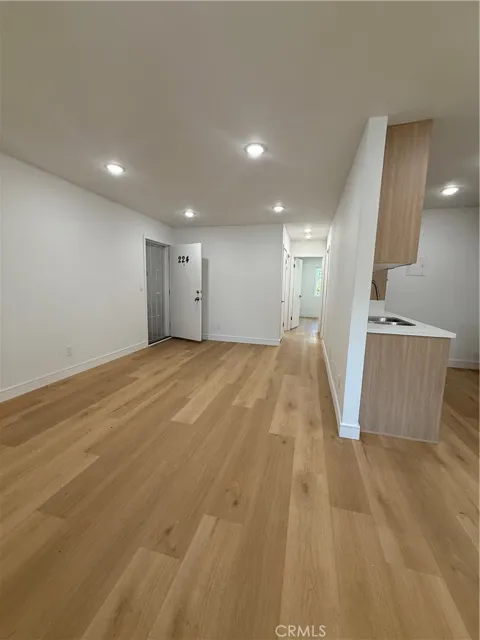
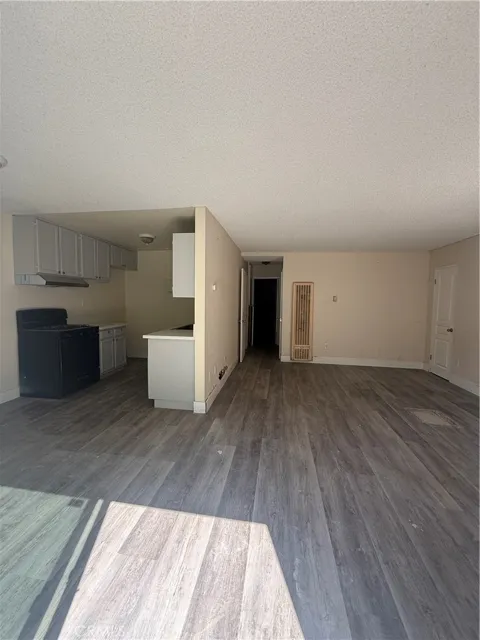
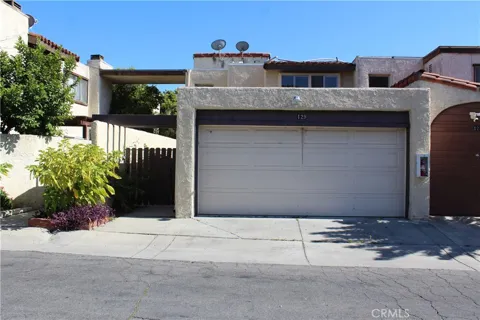
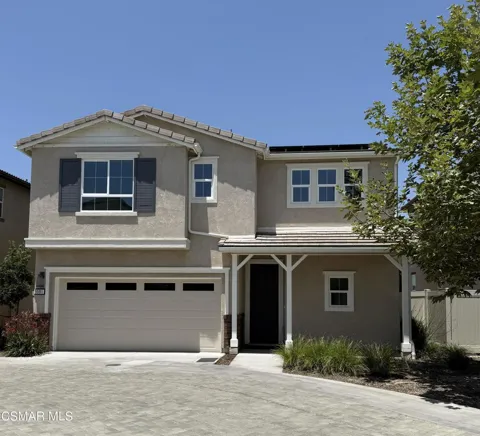
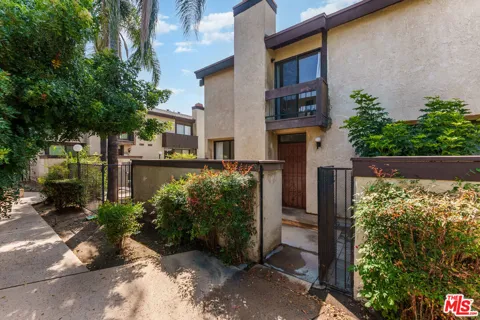
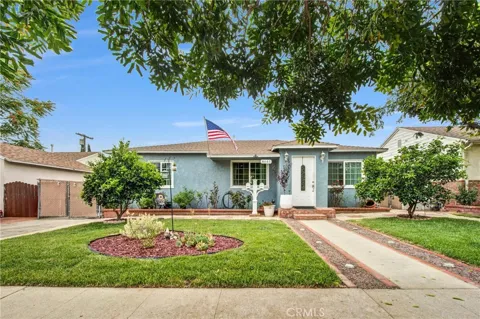
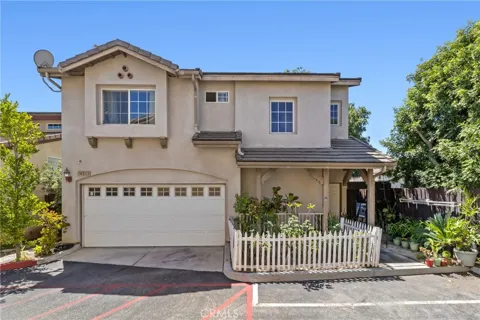
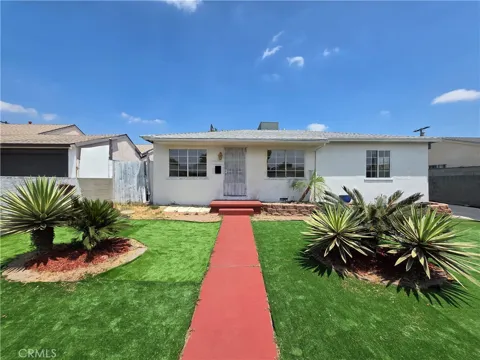
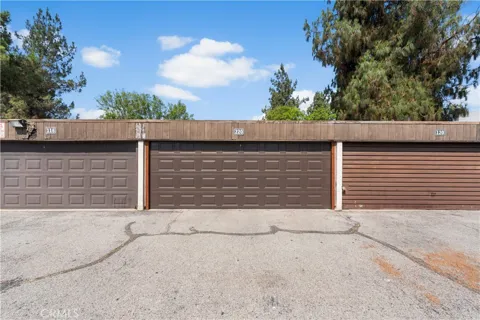
Panorama City's housing stock reflects its origins as a planned post-war community. The neighborhood is a mix of single-family homes, garden apartments, and multi-family buildings, much of it built in the late 1940s and 1950s and reflecting the modest, efficient style of the era's mass housing. Density is high by Valley standards, and rentals make up a substantial share of the housing. The area's central location, freeway access, and employment anchors support steady demand, and some newer infill and multifamily development has supplemented the original stock. Characteristically, Panorama City offers compact, centrally located housing in a dense urban-suburban setting.
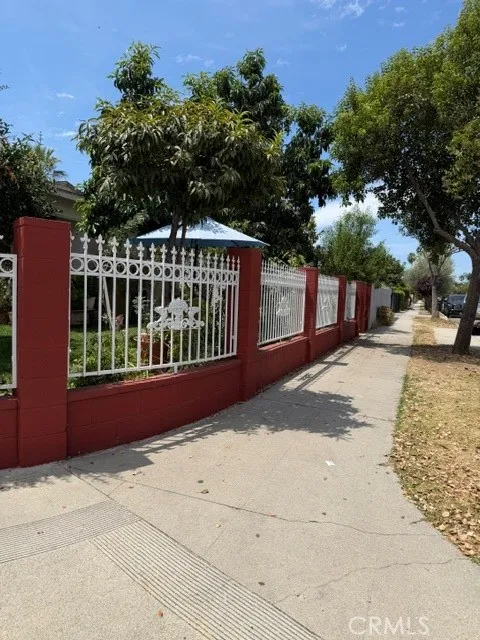
Panorama City is organized around its commercial corridors — particularly Van Nuys Boulevard, which runs north-south through the community — and the Kaiser Permanente medical campus. The original 1948 plan laid out a coherent grid that still reads clearly today, with residential streets of single-family homes and courtyard apartments surrounding the commercial spine. The neighborhood's districts are defined more by function than by distinct names: the medical-center area, the Panorama Mall and The Plant retail zone, and the residential blocks around the local schools and parks. Its high density and walkability give Panorama City a distinctly urban feel within the otherwise suburban Valley.
Panorama City is a bustling, family-oriented neighborhood with a strong immigrant character. Its commercial strips are lined with taquerías, bakeries, markets, and shops reflecting the community's Mexican, Central American, and Filipino roots, and the Panorama Mall and The Plant anchor everyday shopping. The neighborhood's density and youth give it an energetic street life, while community centers, schools, and churches anchor civic activity. Kaiser Permanente's medical center is both a workplace and a gathering point. Residents enjoy easy access to the Sepulveda Basin, Lake Balboa, and the broader Valley's amenities, making Panorama City a practical and culturally rich place to live.
Panorama City is served by the Los Angeles Unified School District. Neighborhood schools include Panorama City Elementary, Van Nuys Middle School, and Panorama High School, the latter with magnet programs serving students from across the area. LAUSD's system offers a range of magnet and choice options, and the surrounding Valley hosts numerous charter and private schools. For higher education, Los Angeles Valley College in neighboring Valley Glen and California State University, Northridge are within easy reach, while the community colleges and universities of greater Los Angeles lie across the region.
Panorama City sits at a central Valley crossroads, bounded by the 405 (San Diego Freeway) to the west and the 170 (Hollywood Freeway) to the east, with convenient access to the 101 and 118 freeways as well. Van Nuys Boulevard and Roscoe Boulevard form the neighborhood's main surface arteries, and LADOT's DASH Panorama City/Van Nuys shuttle provides local transit connections, linking to Metro's G Line busway in Van Nuys. Regional rail is available at the Van Nuys Metrolink and Amtrak station, and the planned East San Fernando Valley light-rail line will add rail service along Van Nuys Boulevard.
Panorama City offers several local parks, including the Panorama Recreation Center with its sports fields, playgrounds, and community programs. Immediately adjacent are two of the Valley's largest open spaces: the Sepulveda Basin Recreation Area, with its vast fields, lakes, and trails, and Lake Balboa Park, centered on a popular lake and its surrounding greenbelt. These areas provide walking, cycling, boating, and picnicking close to home. The neighborhood's central location also puts residents within reach of the Santa Monica Mountains, Griffith Park, and the wider recreational resources of Los Angeles.
MARKET SNAPSHOT
How homes have been selling here over the last 90 days.
Market data reflects closed sales over the last 90 days and is provided for informational purposes.
BROWSE BY ZIP
Browse listings by postal code in this area.