One-Square-Mile Coastal Village
Welcome to Carmel-by-the-Sea, a one-square-mile Monterey County village where storybook cottages, art galleries, and a white-sand beach meet the Pacific.
Carmel-by-the-Sea is a city in Monterey County, California, on the state's Central Coast, about 120 miles south of San Francisco. It occupies roughly one square mile on the Monterey Peninsula, with the Pacific Ocean along its western edge and the Santa Lucia foothills rising to the south. With a population of about 3,200, it is among California's most distinctive small cities, known worldwide for its arts heritage, storybook architecture, and white-sand beach. The village's modern form began in 1902, when developer James Franklin Devendorf laid out the town plot around what became Ocean Avenue, the main street that runs from the village center down to Carmel Beach. The community incorporated in 1916, and through the early twentieth century it drew artists, writers, and musicians who established its enduring creative identity. The Carmel Mission Basilica, founded by Father Junípero Serra in the 1770s, predates the village and remains its most significant historic landmark. Carmel is famous for its no-address tradition: homes and businesses are identified by name rather than numbered street addresses, and mail is collected at the post office, reinforcing the village's intimate character. Residential architecture ranges from whimsical storybook cottages to Mediterranean and modern ocean-view homes, set among cypress and pine. Public schools belong to the Carmel Unified School District, which serves the city along with Carmel Valley, Big Sur, and parts of Pebble Beach. Nearby Point Lobos State Natural Reserve, three miles south on Highway 1, protects some of the region's most scenic coastline, and the 17-Mile Drive and the amenities of Monterey and Pacific Grove lie just to the north. Carmel-by-the-Sea offers a rare combination of coastal beauty, cultural depth, and a deliberately preserved, walkable village form.
Carmel-by-the-Sea is located in Monterey County, California, on the state's Central Coast. It sits on the Monterey Peninsula between the city of Monterey to the north and Point Lobos to the south.
Carmel-by-the-Sea is known for its one-square-mile village center, art galleries, storybook-style architecture, and the white-sand Carmel Beach. The city is also known for its tradition of naming homes and businesses rather than using numbered street addresses.
Carmel-by-the-Sea is served by the Carmel Unified School District, which covers about 594 square miles and serves roughly 2,500 students across the Monterey Peninsula. The district serves Carmel-by-the-Sea, Carmel Valley, Big Sur, and parts of Pebble Beach.
Carmel-by-the-Sea lies about 120 miles south of San Francisco and about 330 miles north of Los Angeles, reached via Highway 1 along the coast or U.S. 101 and Highway 68 from the inland valley.
Carmel-by-the-Sea offers Carmel Beach, the Scenic Road walkway, and the art galleries and shops of Ocean Avenue. Nearby Point Lobos State Natural Reserve, the Carmel Mission Basilica, and the 17-Mile Drive add coastal hiking, history, and sightseeing.
City Guide
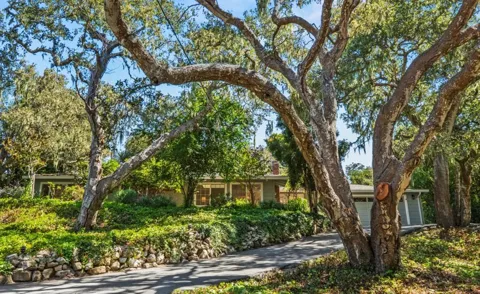
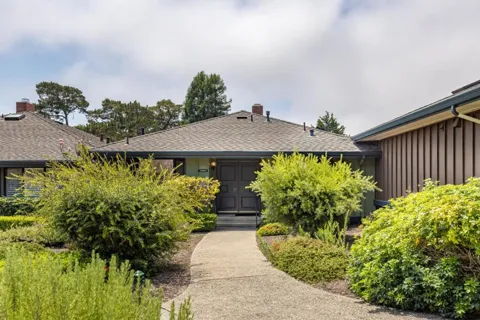
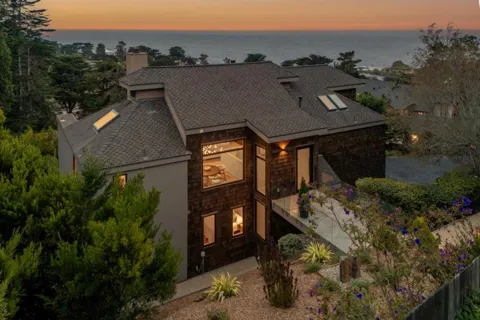
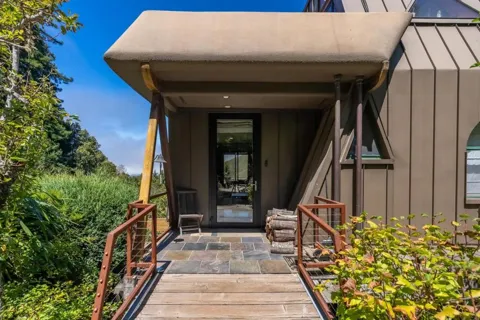
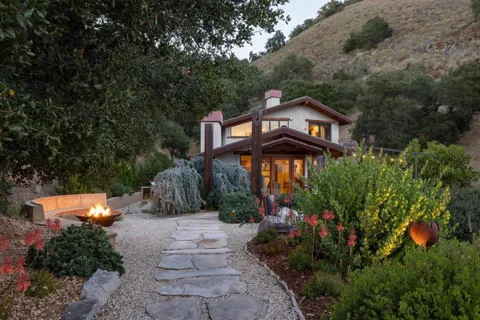
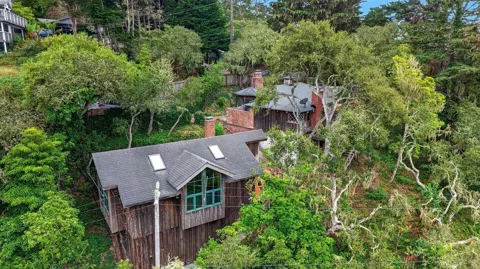
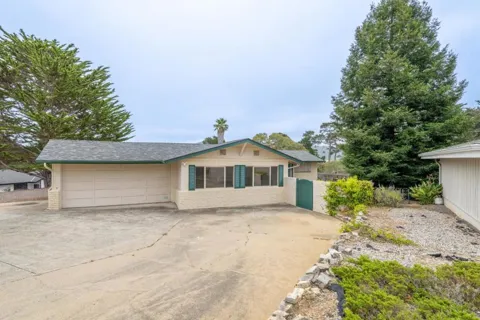
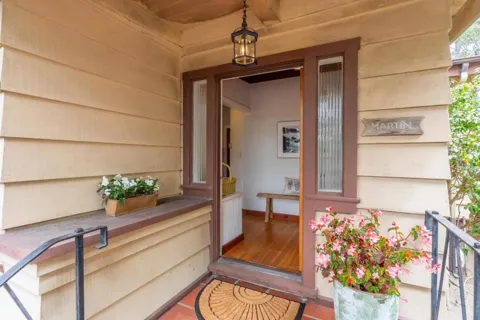
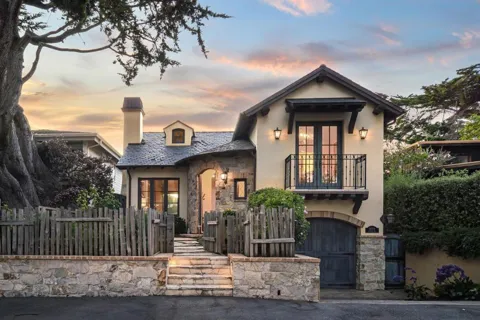
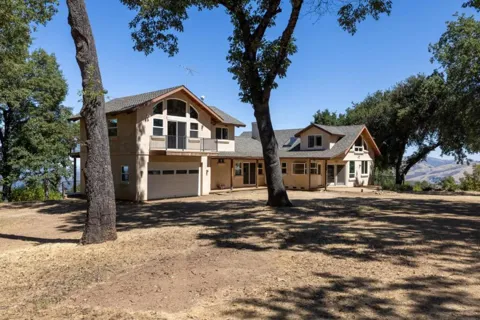
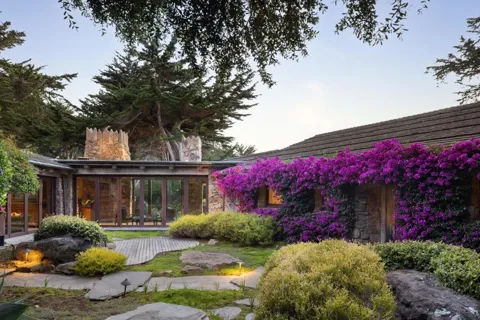
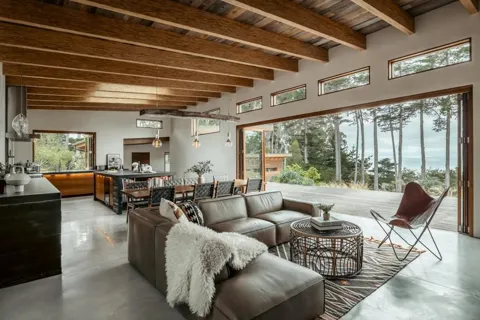
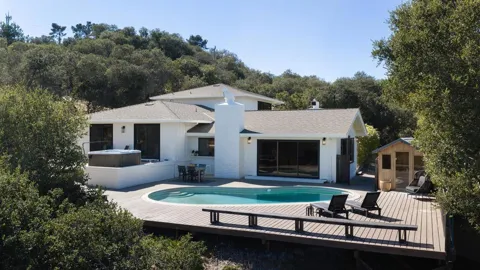
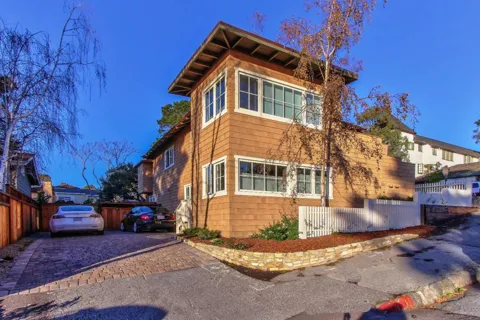
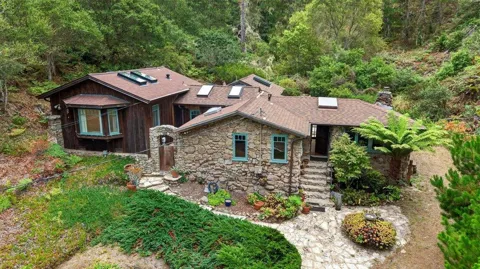
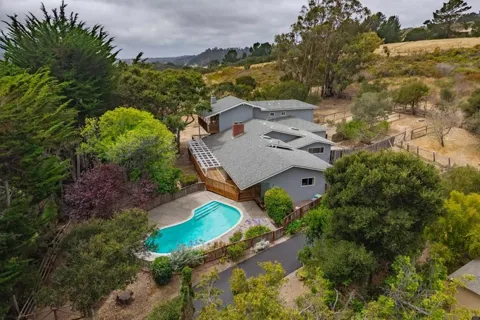
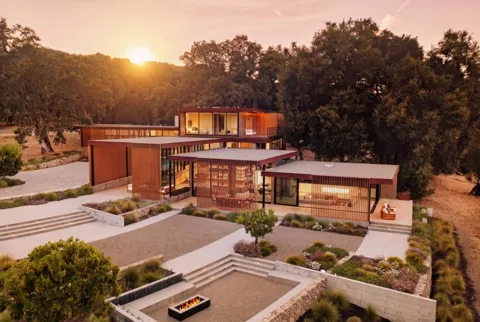
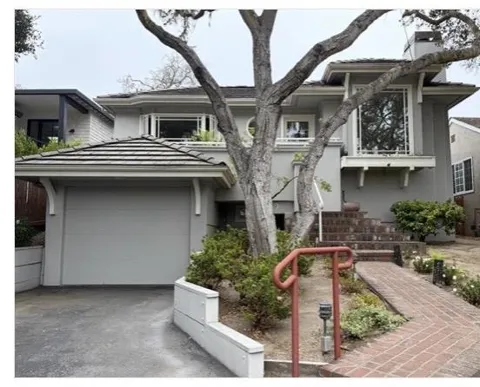
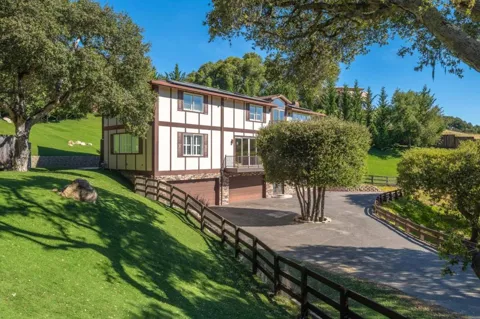
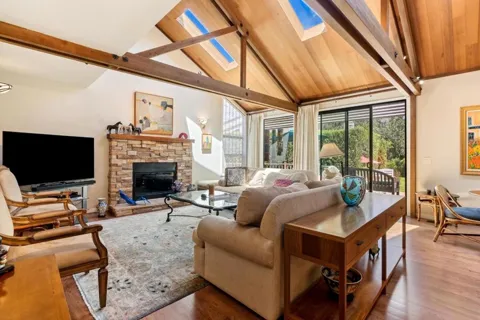
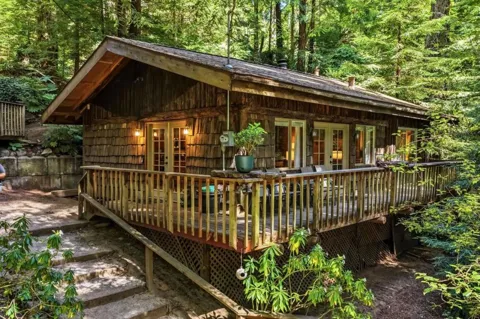
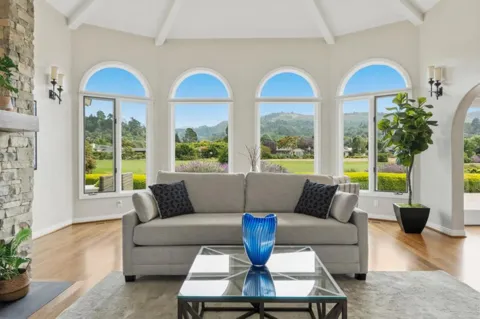
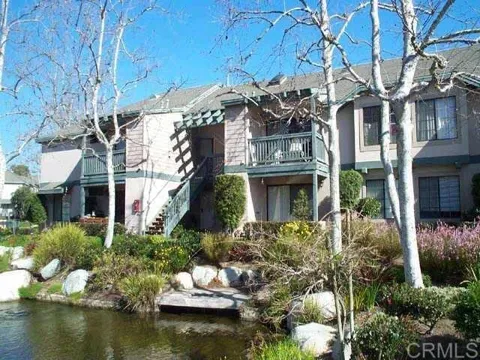
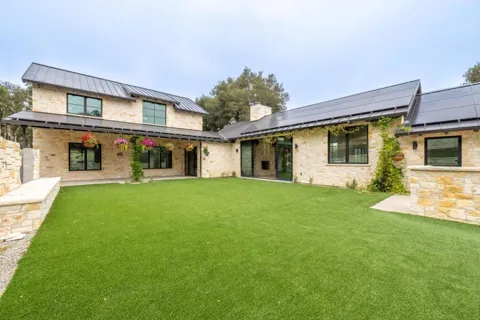
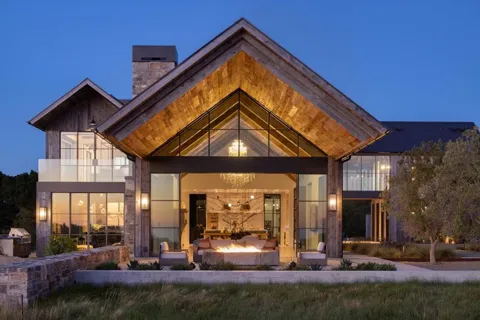
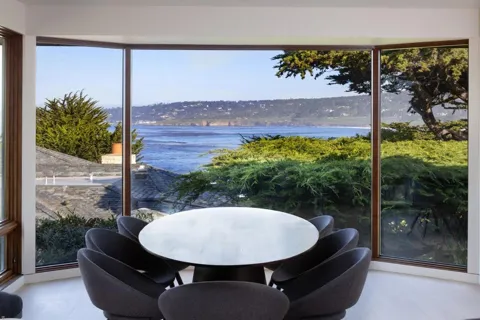
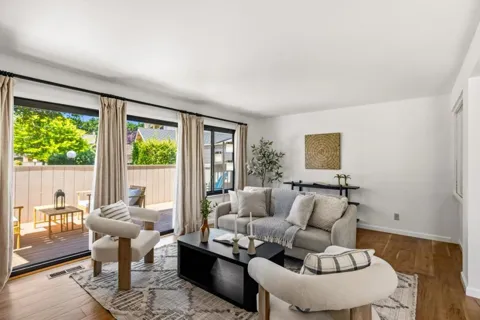
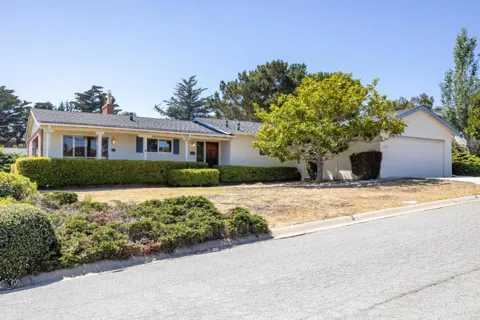
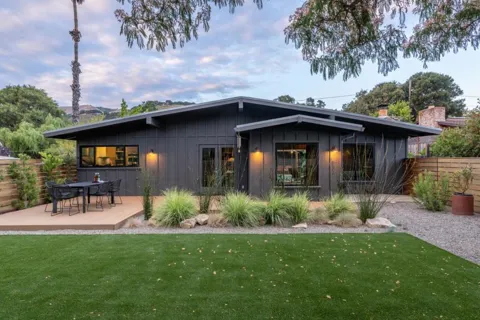
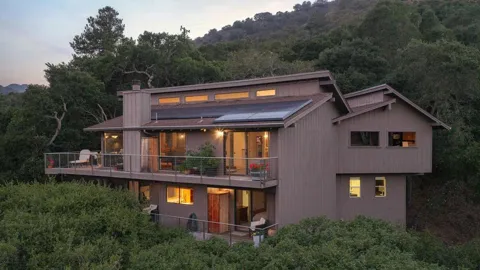
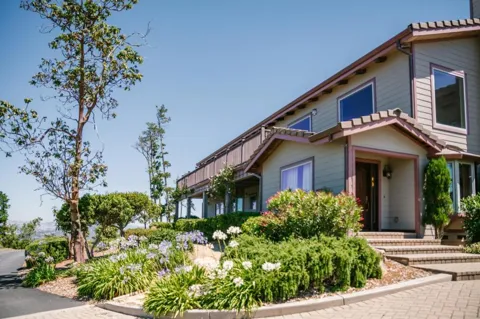
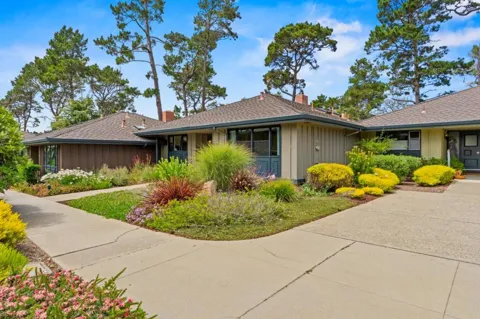
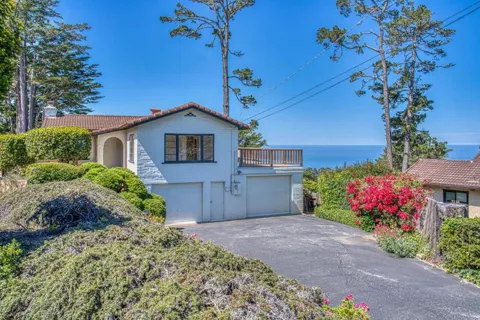
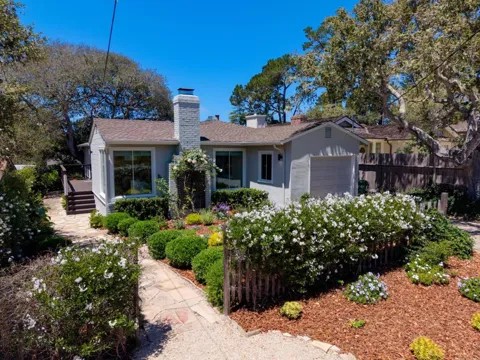
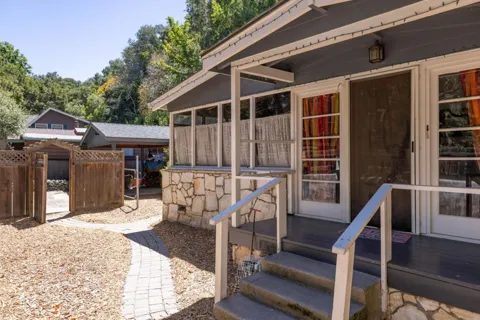
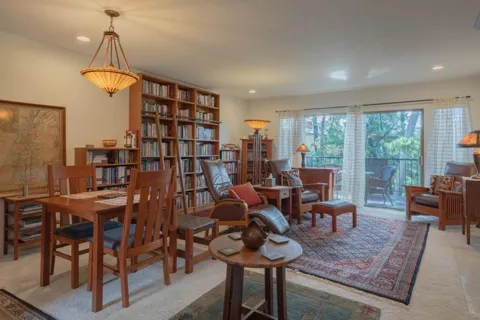
Carmel-by-the-Sea's housing stock is defined by the village's distinctive architecture and tight geographic bounds. Within the one-square-mile grid, homes include storybook-style cottages with steep roofs and whimsical detailing, Mediterranean and Spanish Revival residences, and modern ocean-view properties, often set among mature Monterey pines and cypress. Carmel Point and the Golden Rectangle hold some of the most sought-after ocean and bluff settings, while the downtown blocks mix cottages with courtyards and studios. With no numbered addresses, properties are known by name, and the village's strict design character preserves a cohesive, low-density streetscape.
Carmel-by-the-Sea's small grid encompasses several distinct areas. The Golden Rectangle, north of Ocean Avenue, holds a concentration of historic cottages and easy walking access to the village center. Carmel Point, at the southwest edge, offers oceanfront and bluff homes above Carmel Beach and the mouth of the Carmel River. Hatton Fields and the eastern blocks provide slightly larger lots and quieter residential streets, while the commercial core around Ocean Avenue blends shops, galleries, and residences. The Mission Trail Nature Preserve and Flanders Mansion anchor the city's southern edge, and surrounding unincorporated Carmel Valley, Pebble Beach, and Del Monte Forest frame the village.
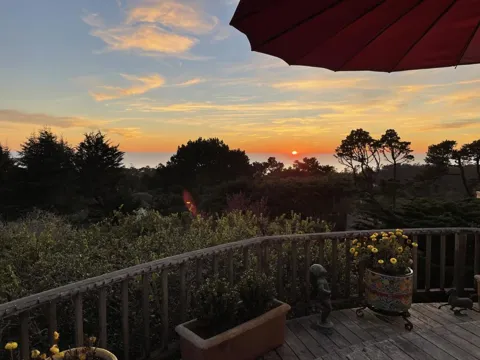
Life in Carmel-by-the-Sea revolves around the compact village, where Ocean Avenue descends from art galleries, boutiques, and restaurants to the white-sand Carmel Beach. The city's artist-colony heritage and storybook architecture give it a cultivated, European-influenced atmosphere, and its no-address tradition — homes and businesses identified by name — reinforces the village feel. Residents walk to the beach, courtyards, and hidden passageways that characterize the one-square-mile grid. Cultural life includes galleries, the Forest Theater, and the Carmel Bach Festival, while the broader Monterey Peninsula adds golf, sailing, and dining. It is a quiet, highly walkable, and aesthetically distinct coastal town.
Carmel-by-the-Sea is served by the Carmel Unified School District, which covers about 594 square miles and enrolls roughly 2,500 students across Carmel-by-the-Sea, Carmel Valley, Big Sur, and parts of Pebble Beach. The district operates Carmel High School, Carmel Middle School, and several elementary schools, and it is consistently regarded as one of the stronger districts on the Central Coast. Nearby higher-education options include Monterey Peninsula College and the institutions of the Monterey Bay area.
Carmel-by-the-Sea is reached primarily by Highway 1, which traces the coast south toward Big Sur and north toward Monterey, and by Highway 68 from the inland Salinas Valley and U.S. 101. The city is about 120 miles south of San Francisco and roughly 330 miles north of Los Angeles. Monterey Regional Airport, about ten miles away, provides regional air service, while San Jose and San Francisco airports offer broader connections. Within the village, the compact one-square-mile layout makes walking the primary means of getting around, and the no-address tradition reflects its pedestrian-oriented design.
Carmel Beach, reached at the foot of Ocean Avenue, is the city's centerpiece, with white sand, surf breaks, and the Scenic Road walkway along the bluff. Point Lobos State Natural Reserve, three miles south, offers renowned coastal trails, cypress groves, and marine wildlife, while the Carmel River State Beach and Garrapata State Park extend the shoreline to the south. The Mission Trail Nature Preserve provides wooded paths within the city, and the Carmel Mission Basilica and Tor House add historic and cultural stops. Golf, sailing, and the 17-Mile Drive round out recreation across the Monterey Peninsula.
MARKET SNAPSHOT
How homes have been selling here over the last 90 days.
Market data reflects closed sales over the last 90 days and is provided for informational purposes.
BROWSE BY ZIP
Browse listings by postal code in this area.