Inland Empire Rail Hub
Welcome to Colton, the "Hub City" of California's Inland Empire—a San Bernardino County suburb at the historic crossroads of two transcontinental railroads and Interstates 10 and 215.
Colton is a city in San Bernardino County, California, in the heart of the Inland Empire. It lies about four miles south of downtown San Bernardino and roughly sixty miles east of Los Angeles, framed by the San Bernardino Mountains to the north. Colton had a population of 53,909 at the 2020 census. Its nickname, the "Hub City," captures its defining role: for well over a century, Colton has sat at a critical junction of the western rail network, where the BNSF and Union Pacific railroads converge at the historic Colton Crossing. The city's transportation roots shaped its growth from the start. Colton was incorporated in 1875, and its location on the region's major rail lines made it a natural center for railroading and freight movement. After a quieter period in the early twentieth century, the construction of Interstates 10 and 215 through the city reinforced its crossroads character and drew transportation-based industry. Following World War II, a surge of residential building and, later, the Inland Empire's broad subdivision expansion created the city's modern neighborhoods. Today Colton is a suburban city of San Bernardino with a strong logistics and distribution economy and convenient freeway access across the Inland Empire. The Colton Joint Unified School District educates the community's students across 28 schools and roughly 18,900 students. The city's parks, schools, and established residential streets give it a settled suburban character, while its rail and freeway connections keep it tied to the region's economy. Colton appeals to households seeking an affordable, well-connected base in the Inland Empire, with the mountains, desert, and greater Los Angeles all within reach.
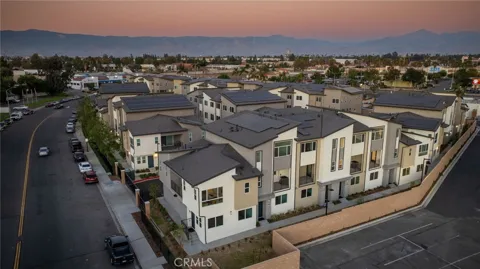
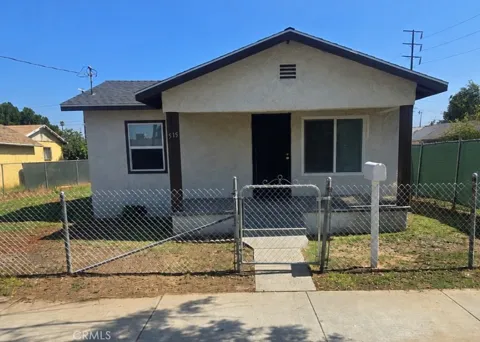
Colton is in San Bernardino County, California, within the Inland Empire region of Southern California. It lies about four miles south of downtown San Bernardino, making it a close suburb of the county's largest city.
Colton is nicknamed the 'Hub City' because of its historic role as a railroad crossroads. The BNSF and Union Pacific railroads intersect at the Colton Crossing, making the city one of the West's most significant rail junctions.
Colton is served by the Colton Joint Unified School District, which operates 28 schools and enrolls about 18,900 students from preschool through high school across the city and the surrounding area of San Bernardino County.
Interstates 10 and 215 pass through Colton, connecting the city to San Bernardino, Riverside, and the wider Inland Empire freeway network. The two interstates were built through the city in the mid-twentieth century, reinforcing its crossroads role.
Colton is about four miles south of downtown San Bernardino, making it a close suburb of the county's largest city and a convenient base for commuting across the Inland Empire region of Southern California.
City Guide
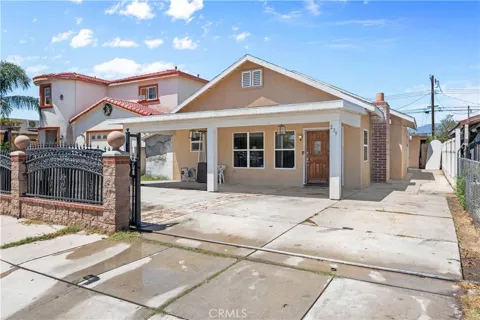
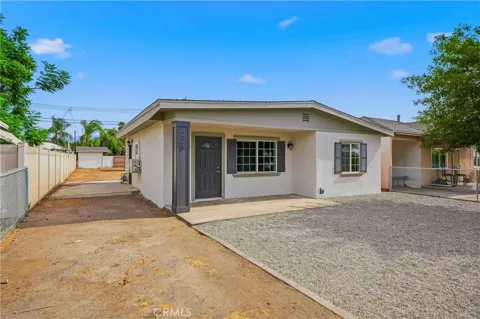
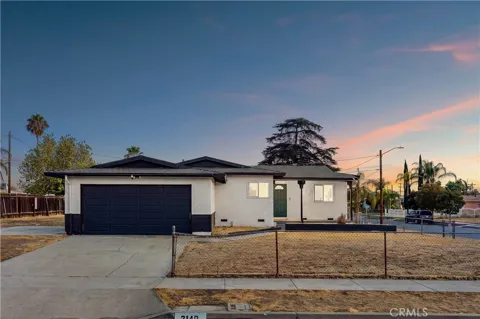
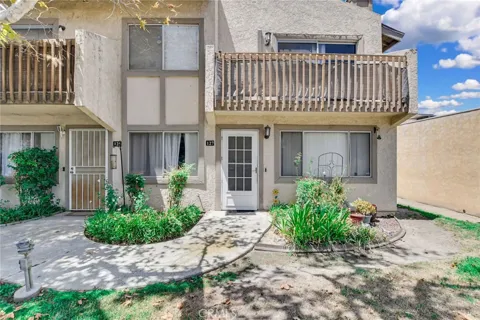
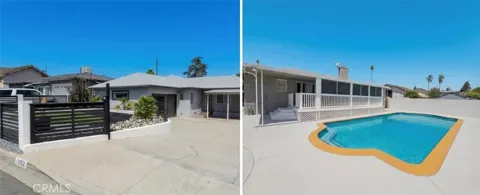
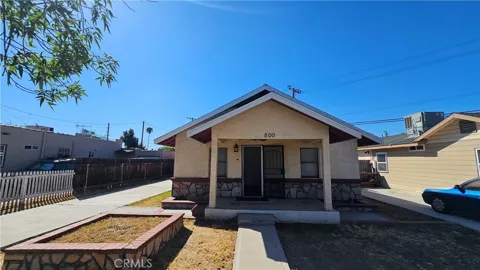
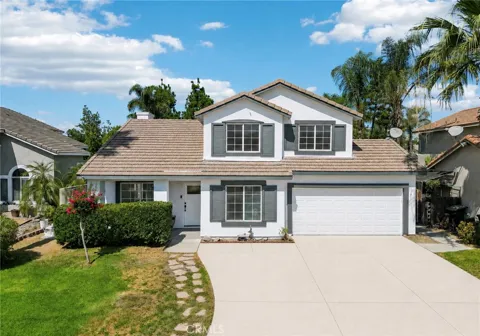
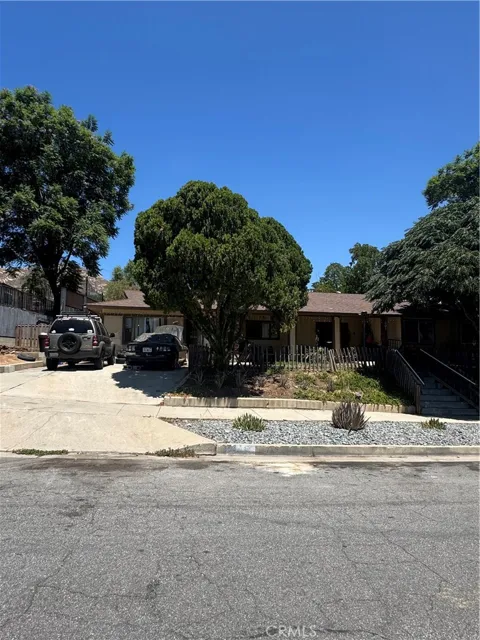
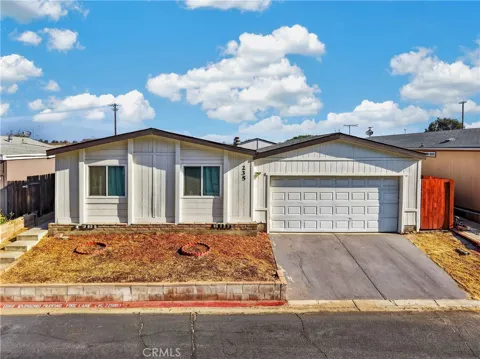
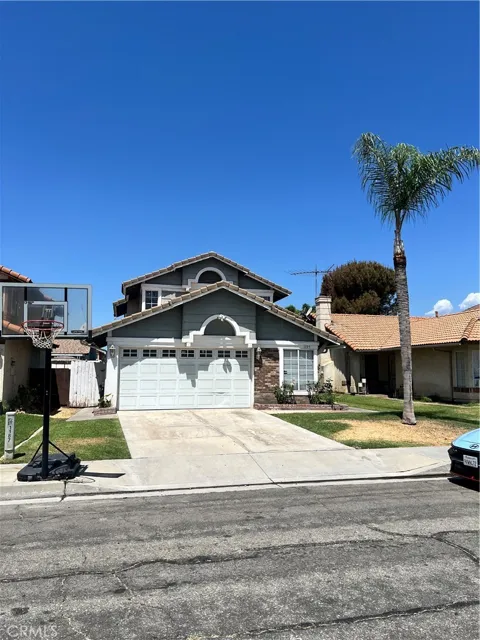
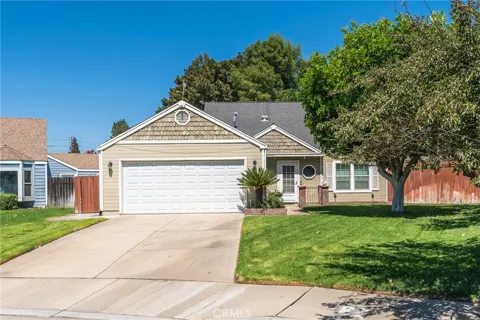
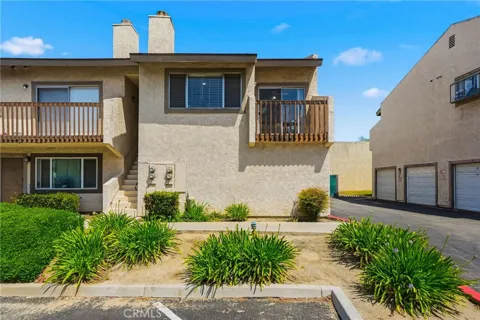
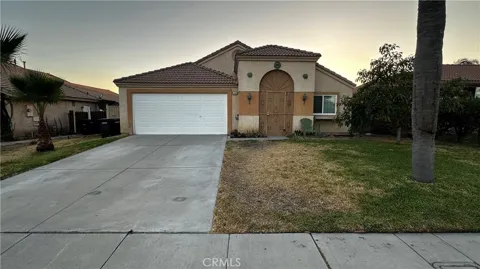
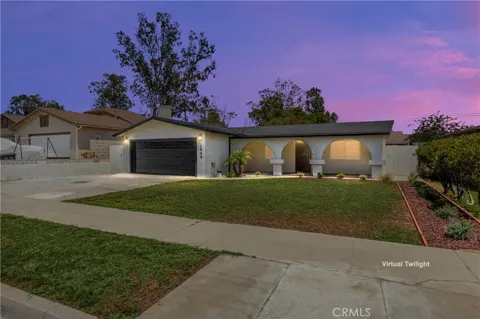
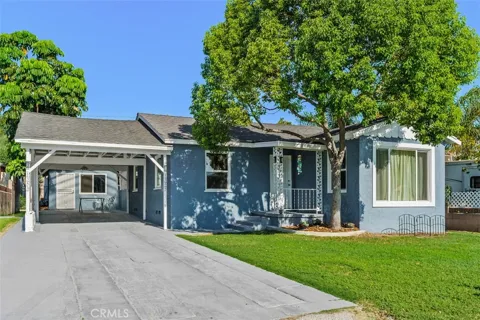
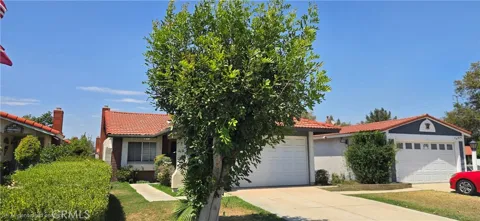
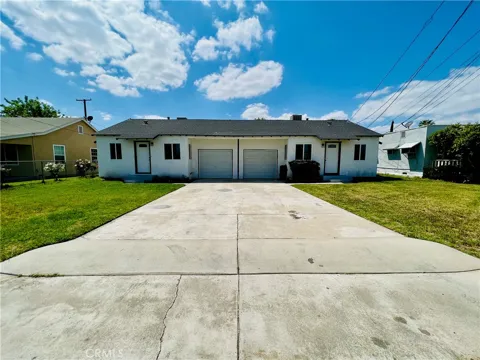
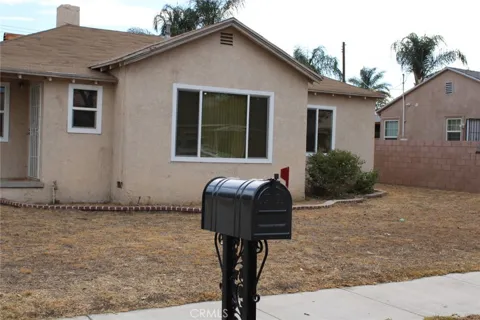
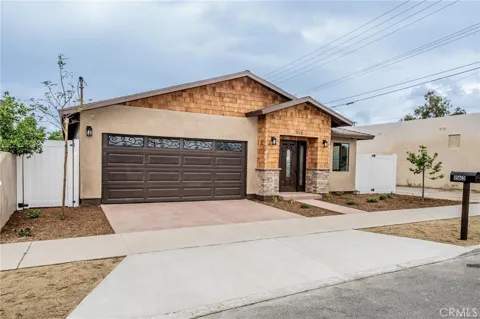
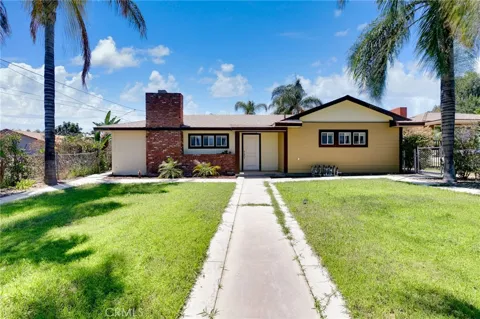
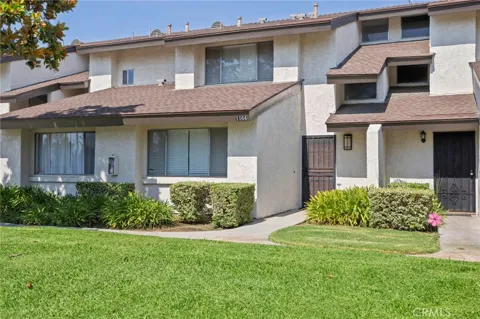
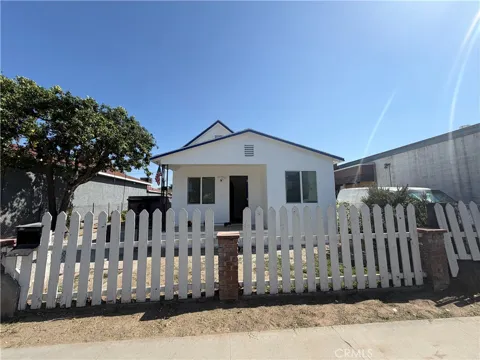
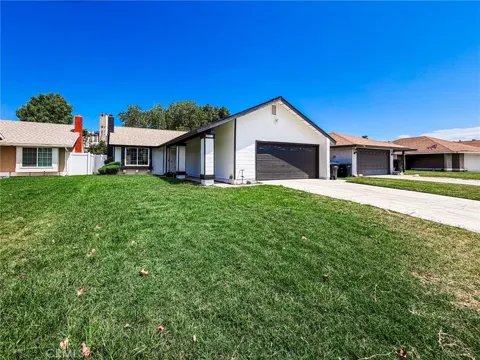
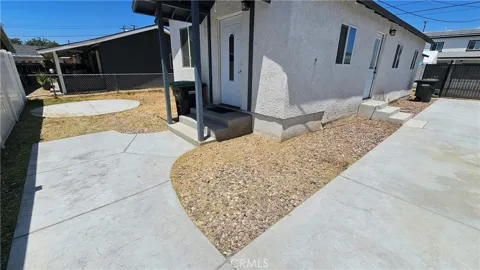
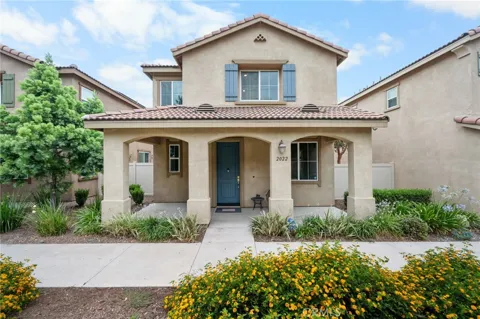
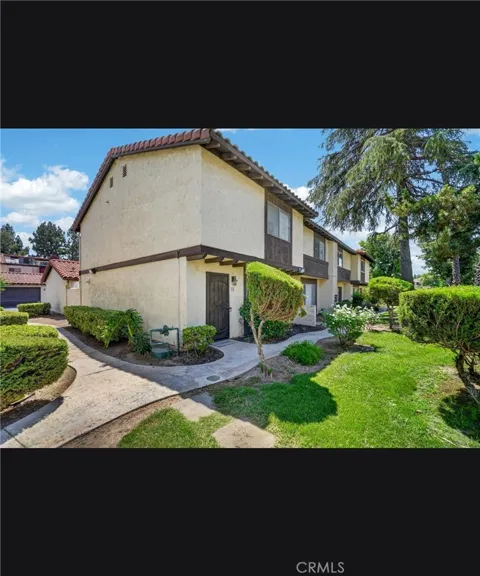
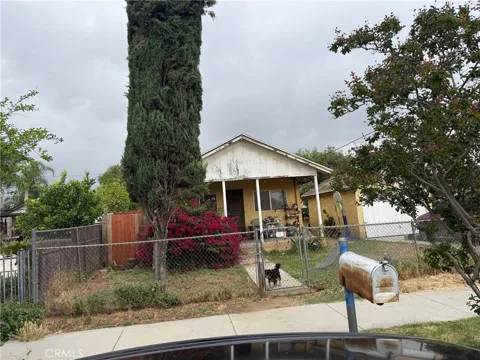
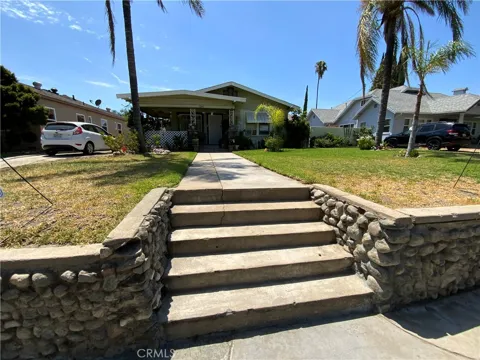
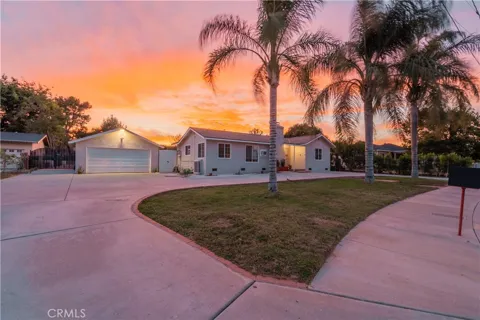
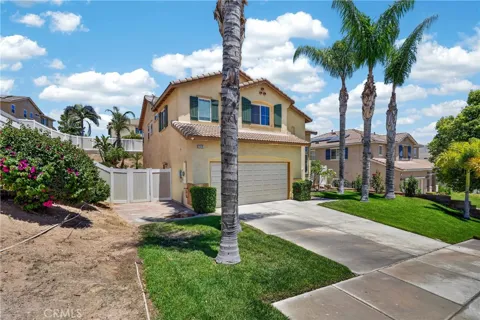
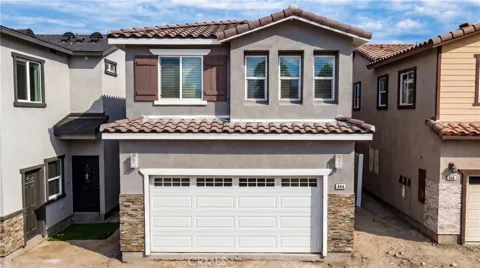
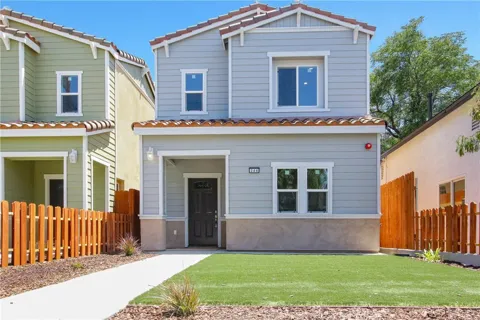
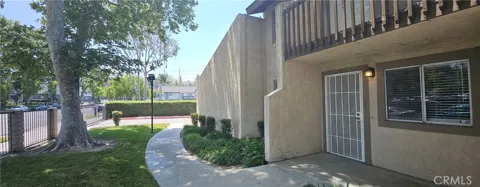
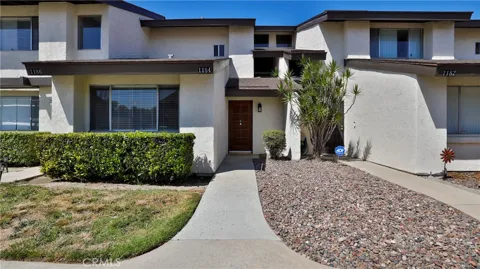
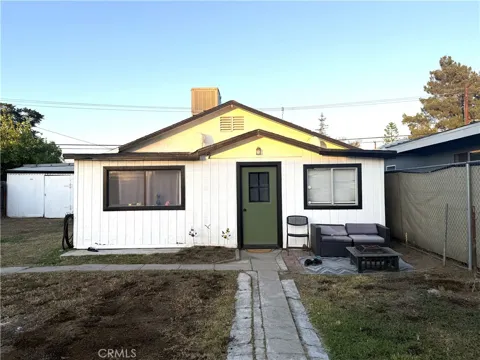
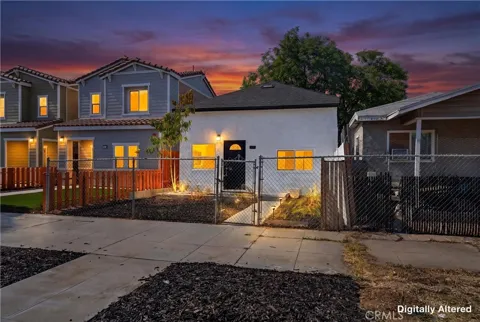
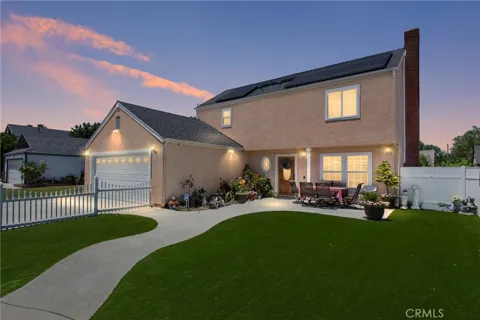
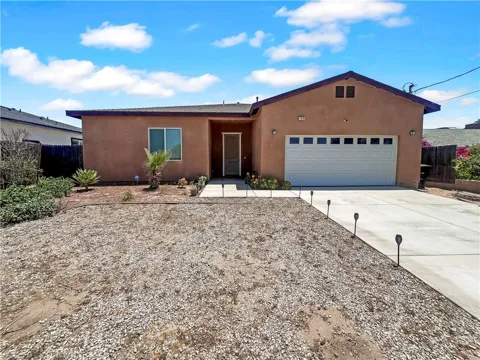
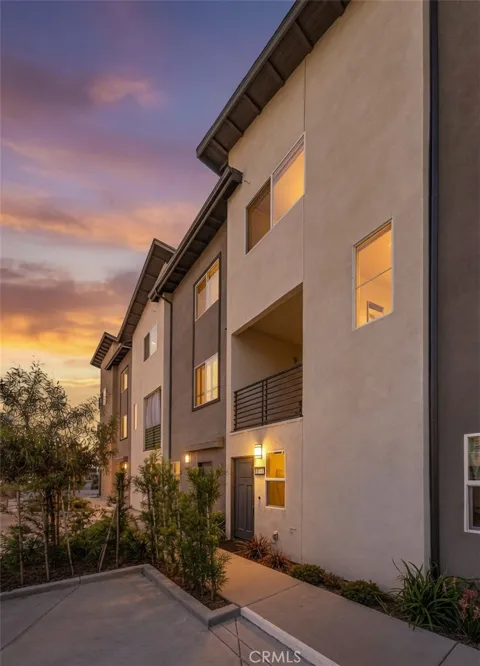
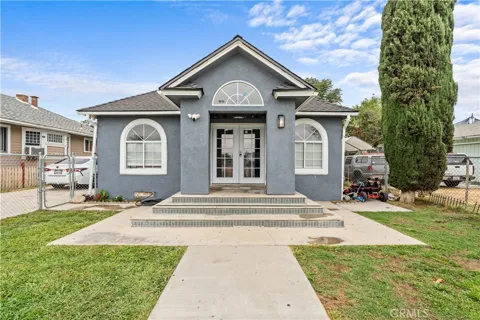
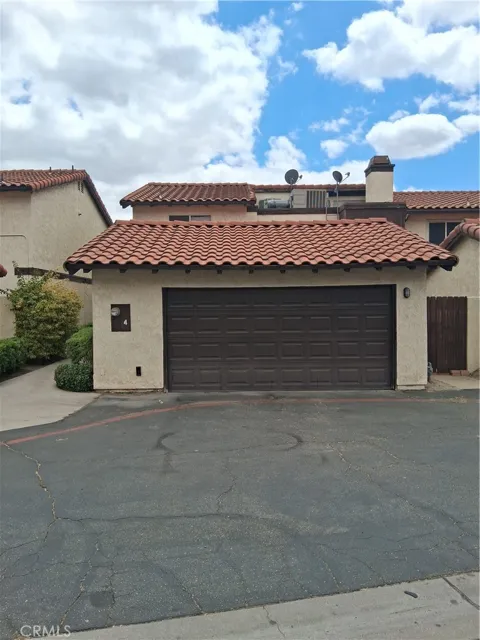
Colton's housing stock reflects its twentieth-century growth. The city expanded with a post-World War II wave of residential building, followed by decades of subdivision growth across the Inland Empire, producing a mix of mid-century single-family homes, established neighborhoods, and newer developments. The housing is predominantly suburban, with a substantial share of older homes concentrated near the historic core and along the freeway corridors. This gives buyers a range of established neighborhoods close to San Bernardino and the region's employment centers, with the mountains and desert within reach.
Colton's daily life is shaped by its role as a working Inland Empire suburb with unusually strong regional connections. Residents benefit from quick access to downtown San Bernardino, the region's freeway network, and the employment centers of the broader Inland Empire, while the city itself retains a compact, established feel. Shopping, dining, and services cluster along the major corridors, and the nearby San Bernardino Mountains offer weekend recreation within a short drive. The community has a practical, commuter-oriented character, appealing to households tied to the region's logistics, healthcare, and service economies.
Colton is served by the Colton Joint Unified School District, which operates 28 schools and enrolls about 18,900 students from preschool through high school, along with adult education programs. The district covers the city and portions of the surrounding area, making it a substantial educational presence in the western Inland Empire. In addition to its public schools, Colton benefits from proximity to colleges and universities in San Bernardino and Riverside. Local schools and their athletics and programs are a central part of community life in the city's neighborhoods.
Transportation defines Colton. The city sits at the Colton Crossing, where the BNSF and Union Pacific railroads—the two largest Class I railroads in the United States—intersect, giving it unmatched freight-rail connections across the West. On the highways, Interstates 10 and 215 cross through the city, linking Colton to San Bernardino, Riverside, Los Angeles, and the broader Inland Empire network. This convergence of rail and freeway infrastructure is the source of the "Hub City" nickname and anchors the region's logistics economy, while also giving residents fast access to the surrounding metro area.
MARKET SNAPSHOT
How homes have been selling here over the last 90 days.
Market data reflects closed sales over the last 90 days and is provided for informational purposes.
BROWSE BY ZIP
Browse listings by postal code in this area.