Historic Inland Empire City
Listings in Redlands, CA
Welcome to Redlands, the San Bernardino County city steeped in navel-orange heritage, Victorian architecture, and the University of Redlands, set against the San Bernardino Mountains.
Redlands is a city in San Bernardino County, California, in the Inland Empire, set against the foothills of the San Bernardino Mountains. With about 73,000 residents, it is one of the region's older and most architecturally distinctive cities. Its modern identity began with the navel orange: the first grove was planted in 1882, and for roughly 75 years Redlands sat at the center of the world's largest navel-orange-producing region. That citrus wealth left a legacy of grand Victorian homes, tree-lined streets, and civic landmarks that still define the city's character. The city's institutions reinforce its historic sensibility. A.K. Smiley Public Library, built in 1898, anchors the civic core, while the University of Redlands, founded in 1907, brings a small liberal-arts campus and a steady cultural presence. The Redlands Bowl, an open-air amphitheater dating to 1930, hosts one of the nation's longest-running free summer concert series, and landmarks such as the Kimberly Crest House and Gardens and Prospect Park preserve the citrus-era estates. Redlands' economy has diversified beyond agriculture into technology and logistics. Esri, the geographic information systems company, is headquartered in the city and is among the region's largest employers, while retail centers such as Citrus Plaza serve the broader area. The Redlands Unified School District, founded in 1905, educates students across a 147-square-mile territory. Interstate 10 and the Metrolink Arrow rail line—which runs from San Bernardino to the University of Redlands campus—give the city regional connections. For buyers seeking historic architecture, a walkable downtown, and a mountain-framed setting, Redlands is a distinctive Inland Empire choice.
Get more information about Redlands
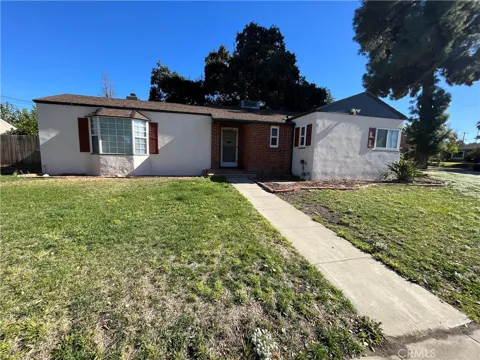
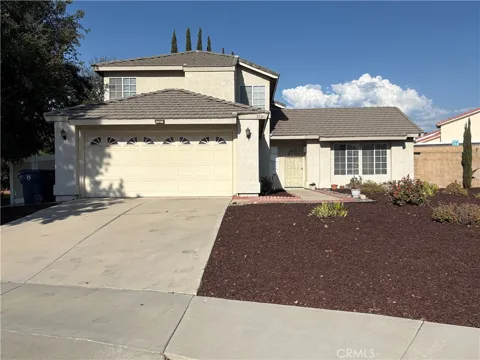
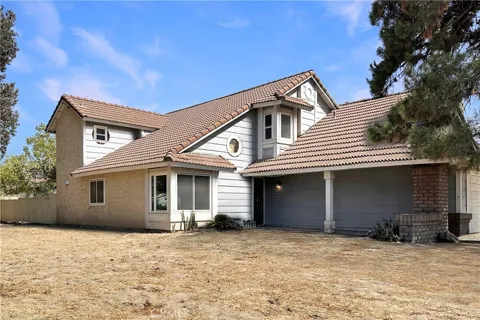
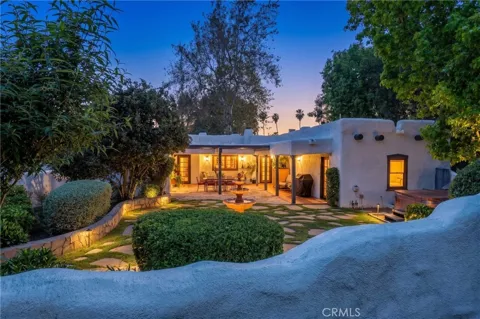
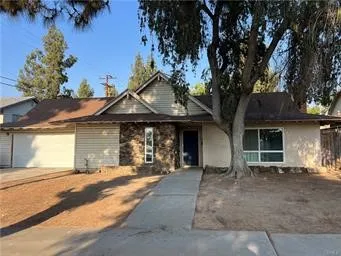
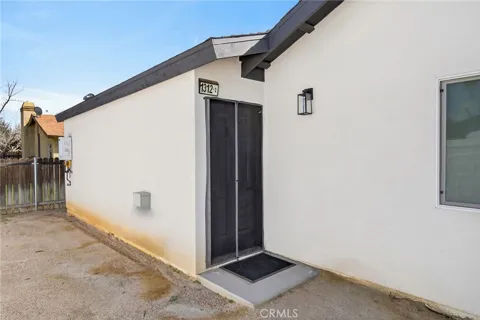
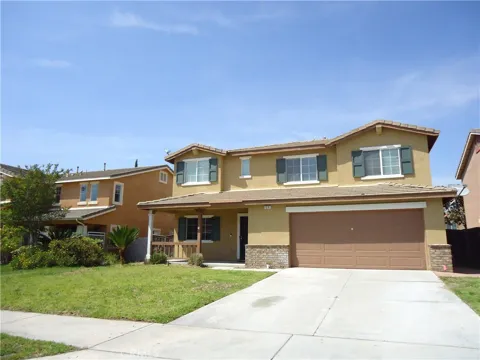
Houses in Redlands, CA
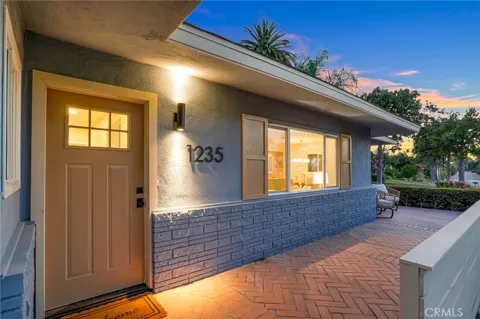
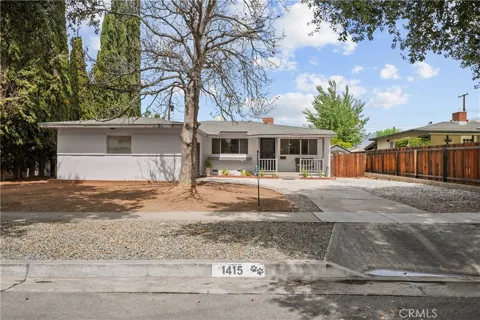
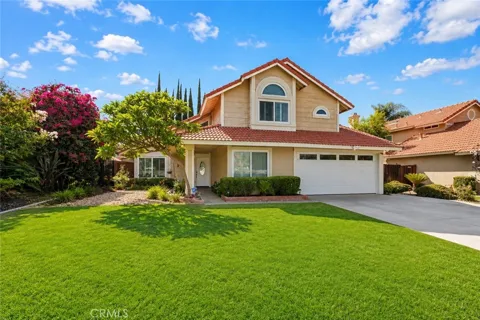
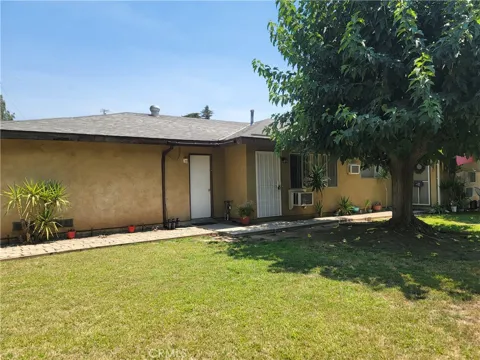
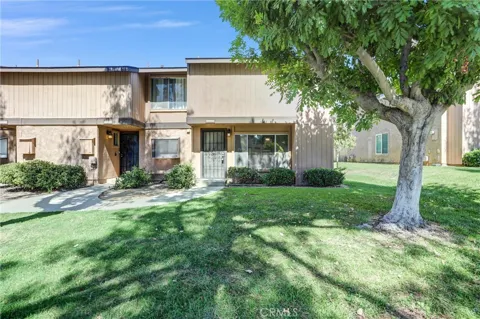
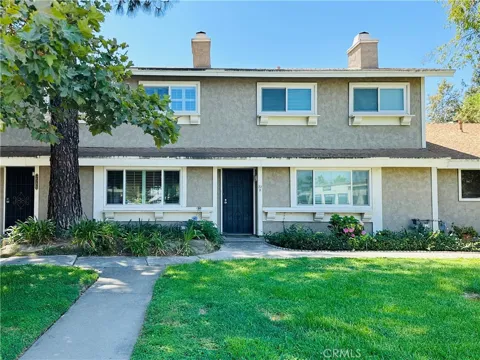
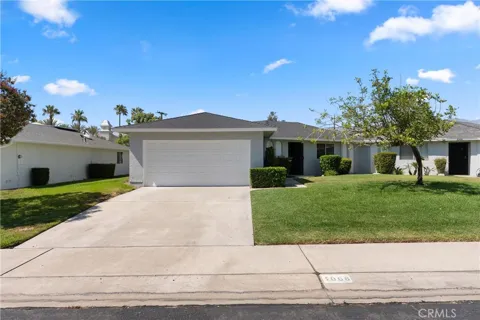
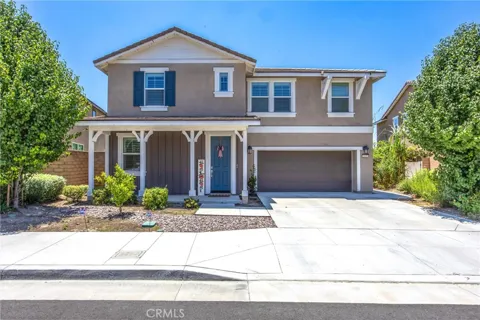
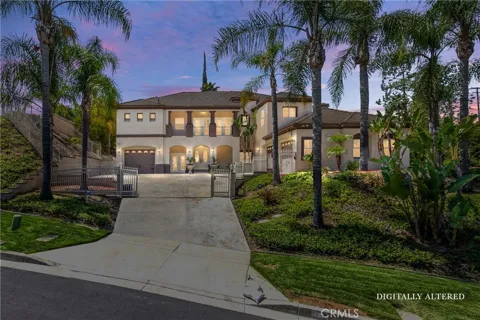
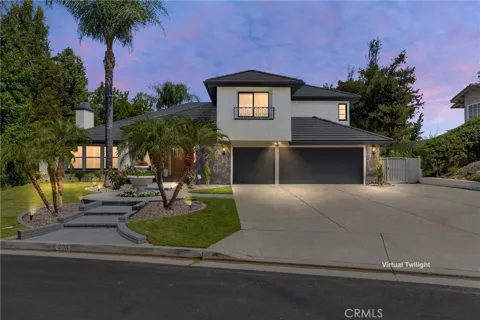
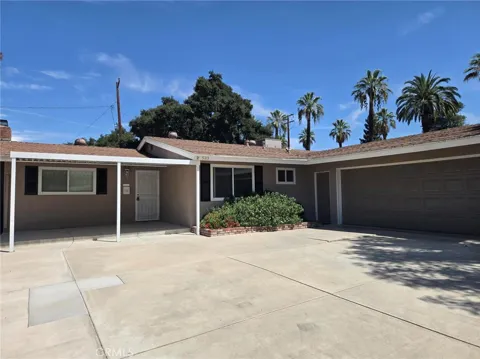
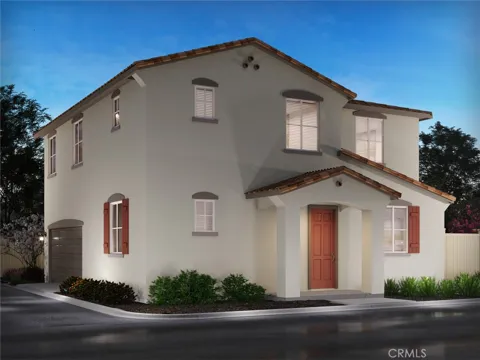
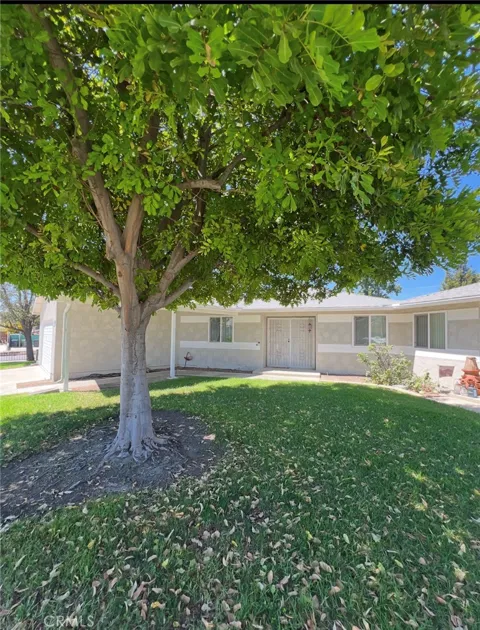
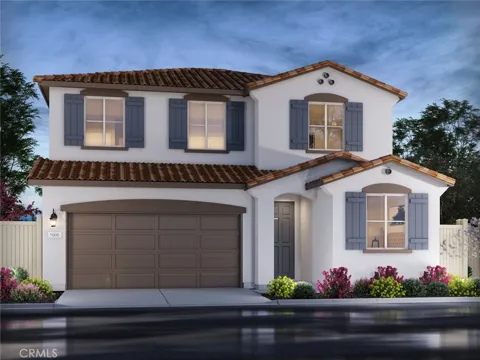
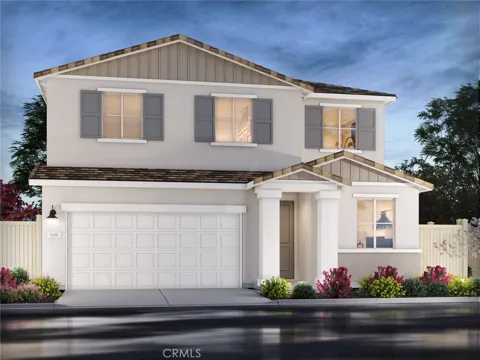
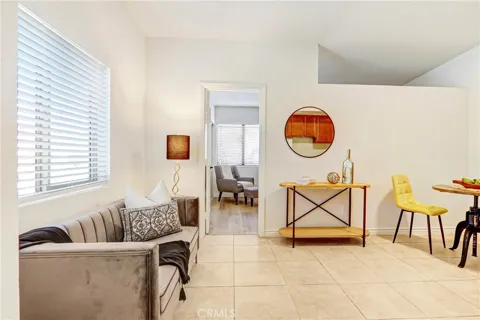
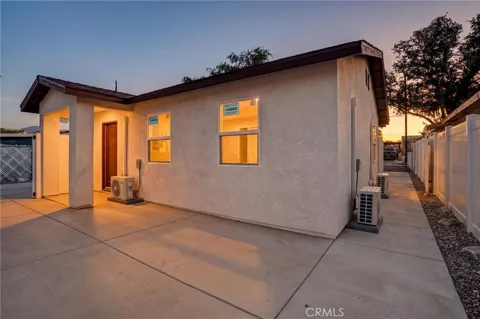
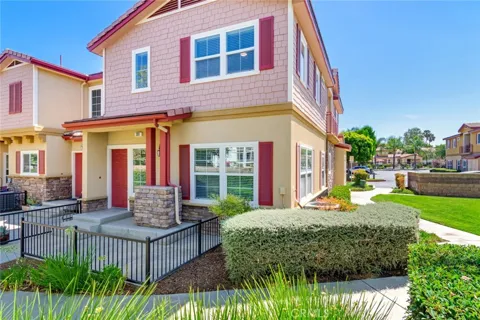
Townhouses & Duplexes in Redlands, CA
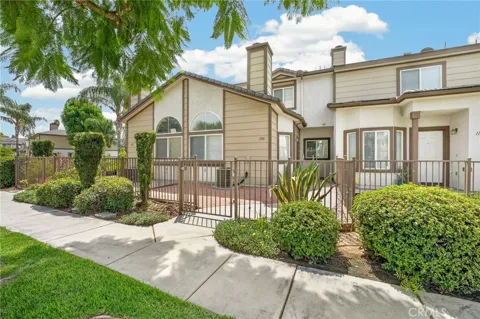
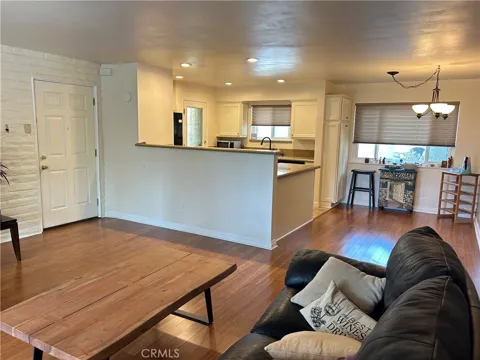
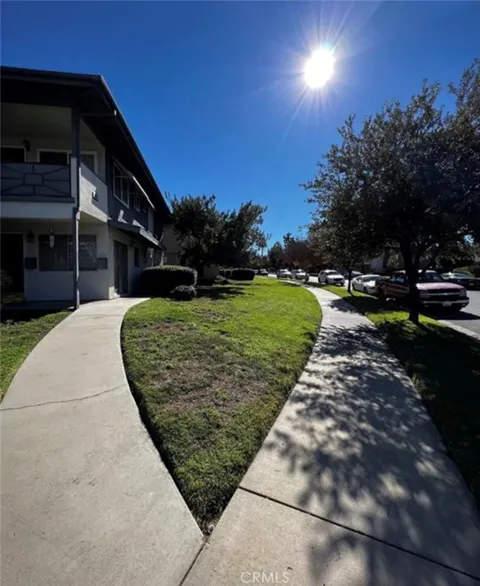
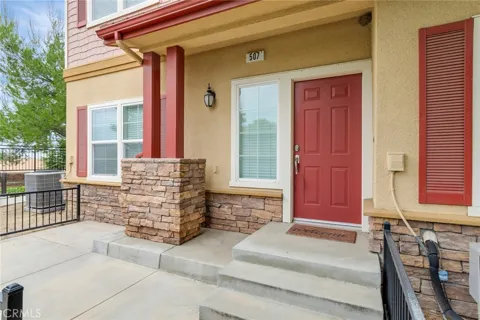
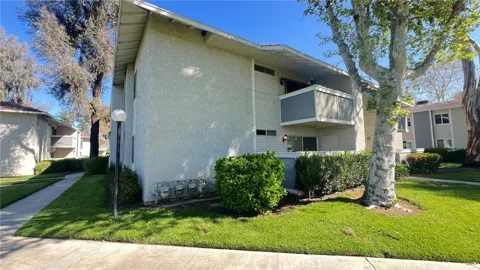
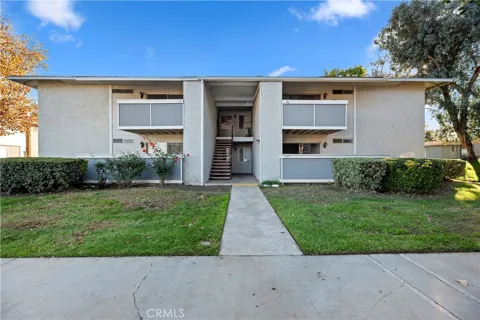
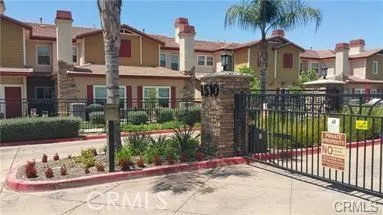
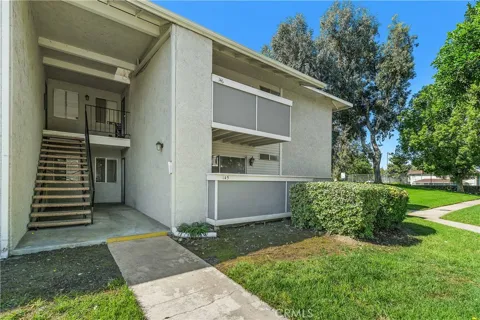
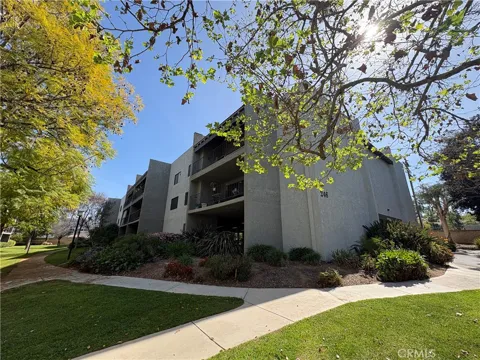
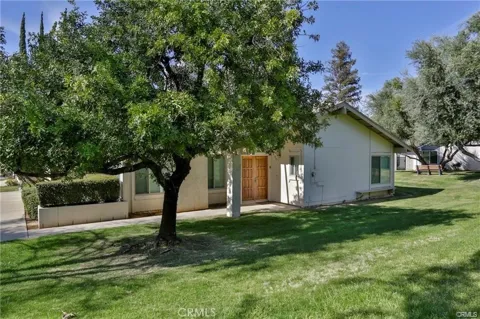
Condos & Apartments in Redlands, CA
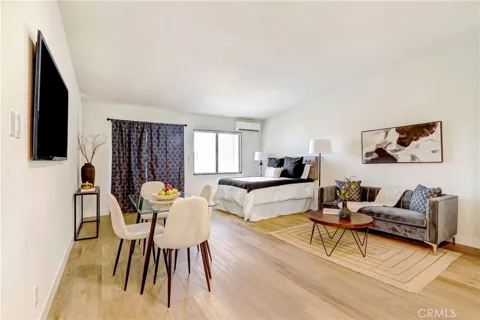
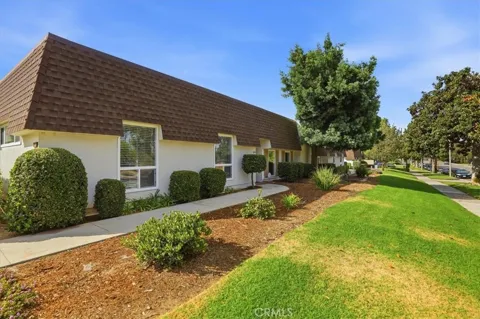
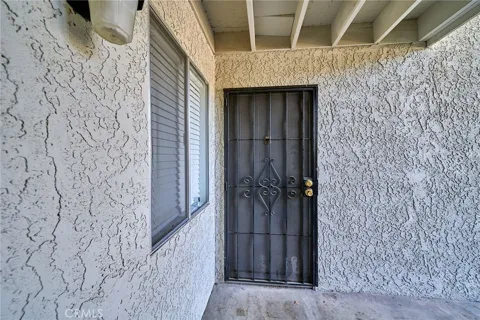
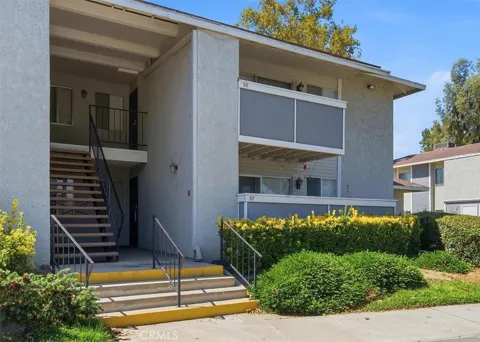
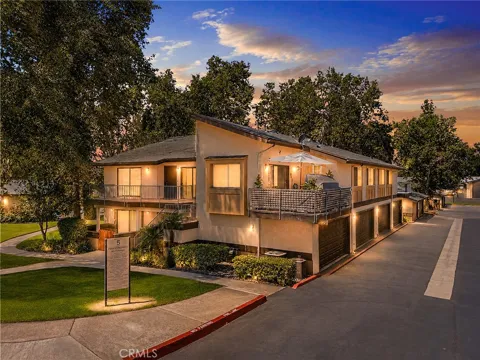
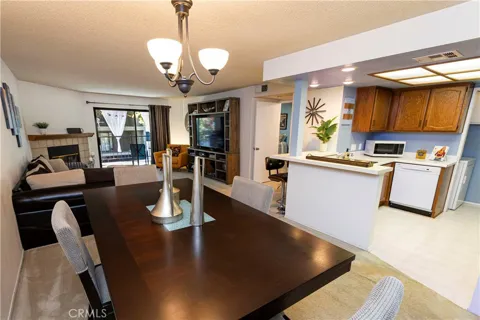
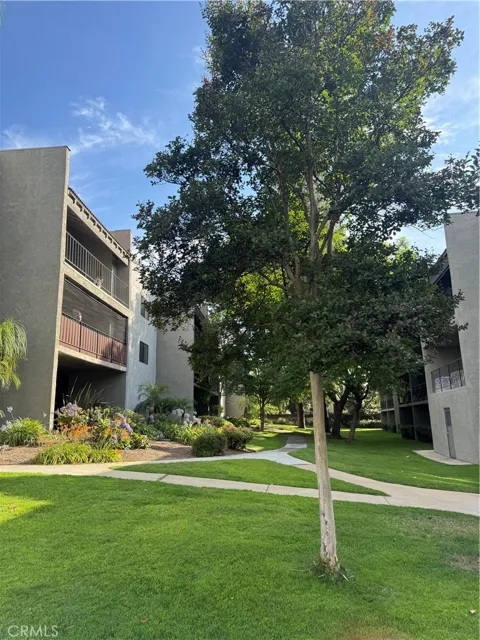
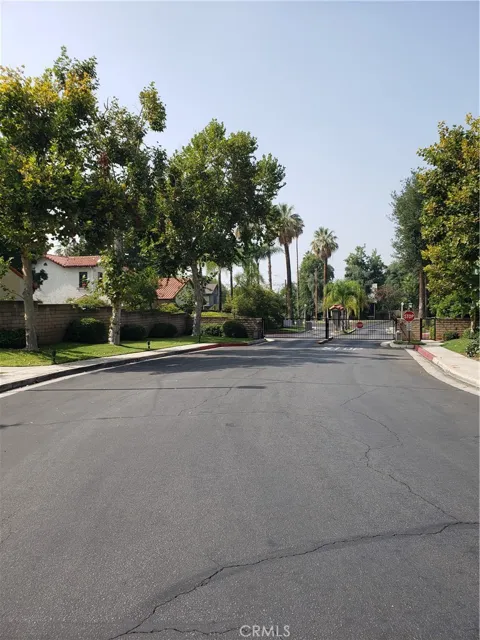
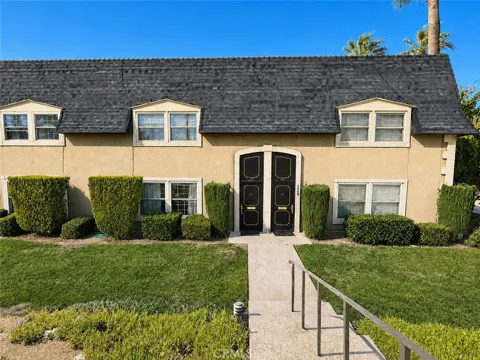
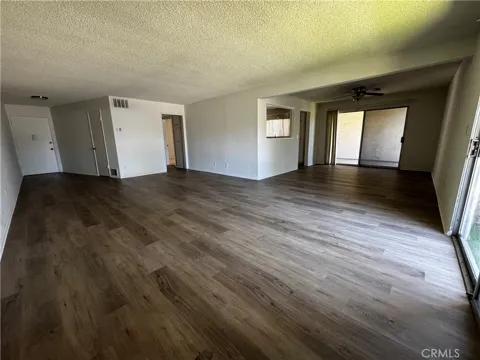
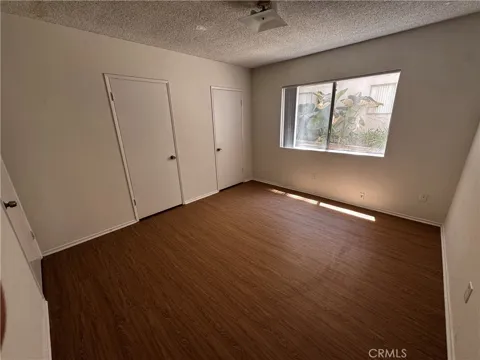
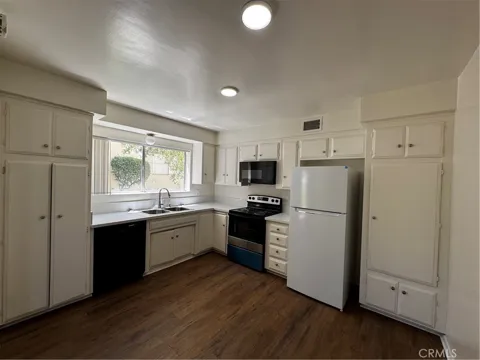
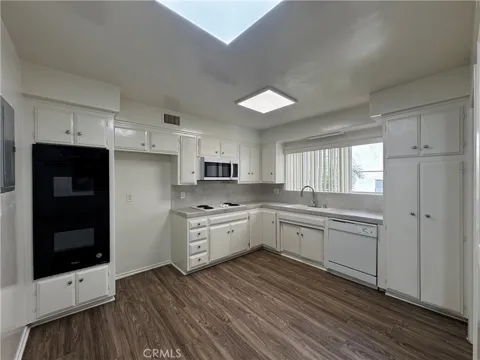
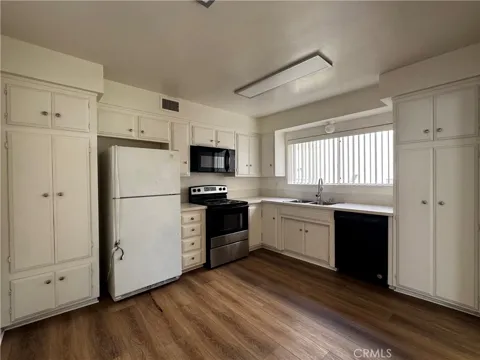
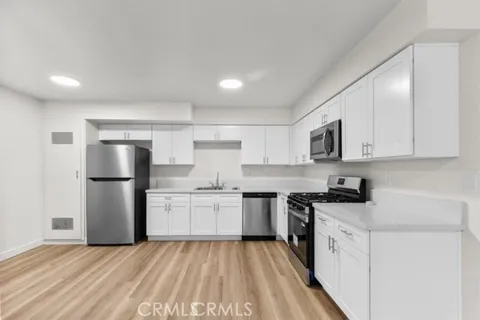
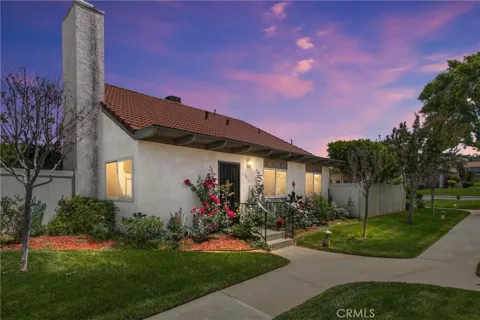
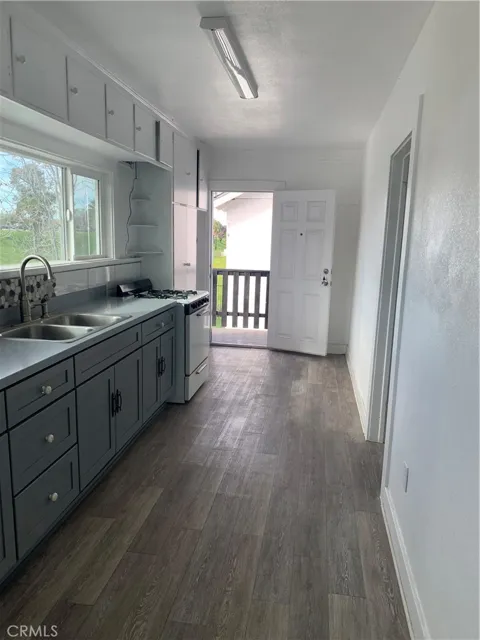
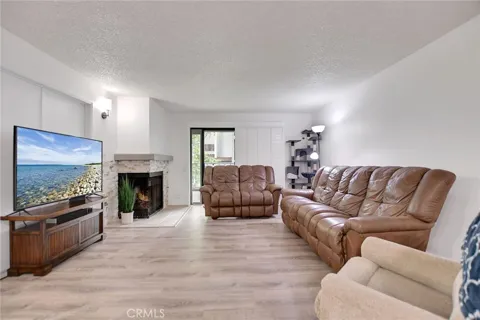
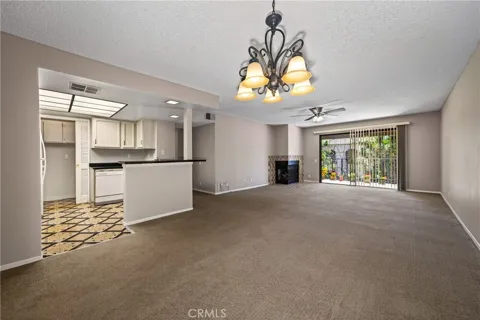
For Rent in Redlands, CA
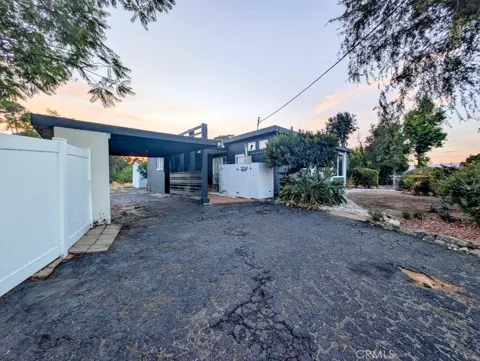
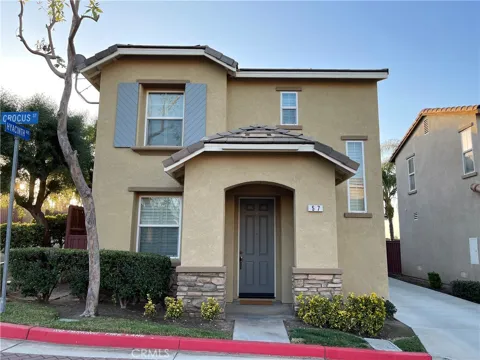
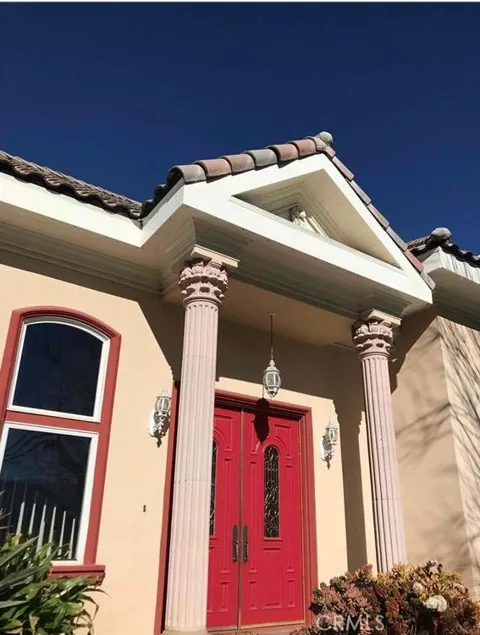
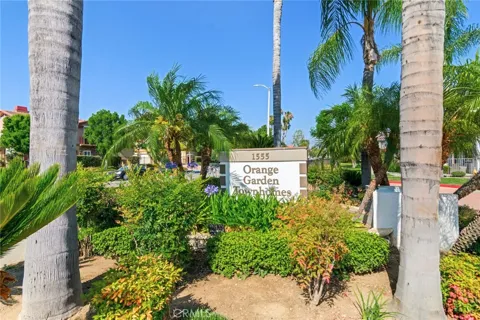
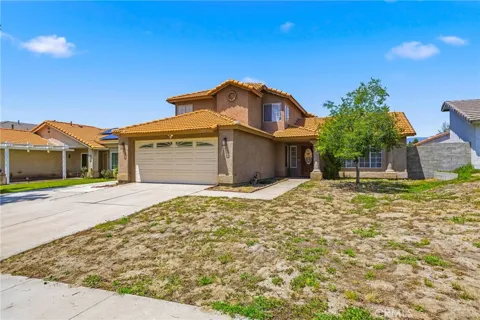
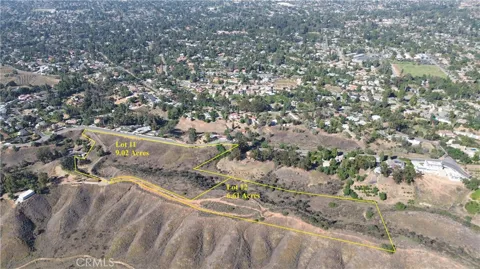
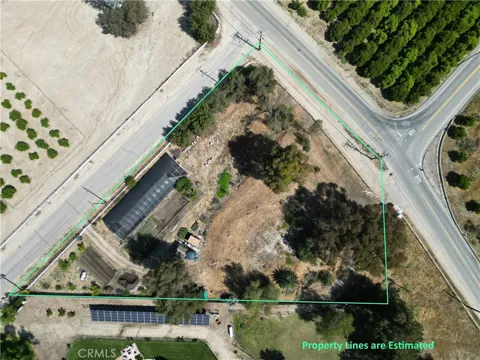
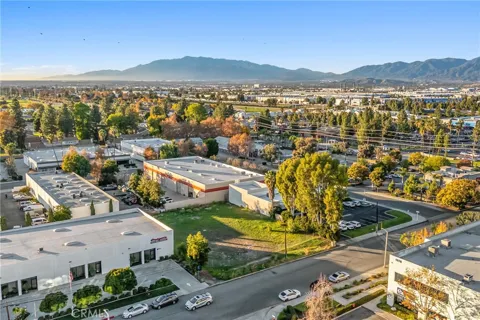
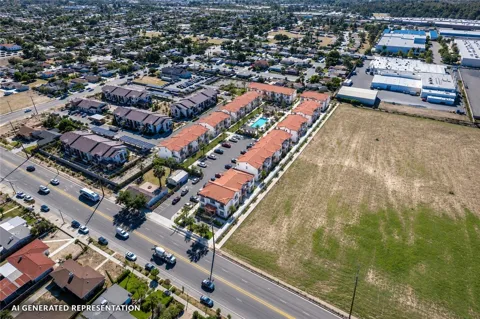
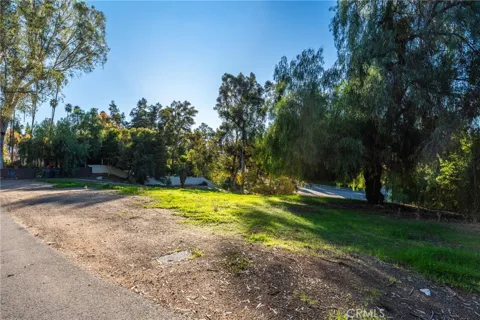
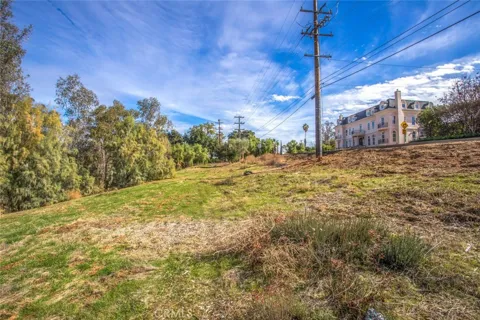
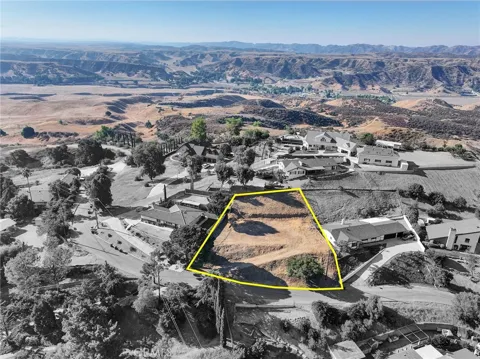
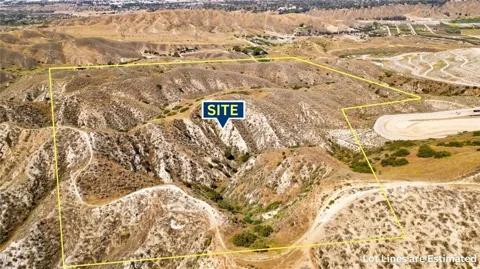
Lots & Land in Redlands, CA
MARKET SNAPSHOT
The Market at a Glance
How homes have been selling here over the last 90 days.
Price & Sales History
Market data reflects closed sales over the last 90 days and is provided for informational purposes.
Zip Codes
BROWSE BY ZIP
Browse listings by postal code in this area.
- Grid
- Map
- List
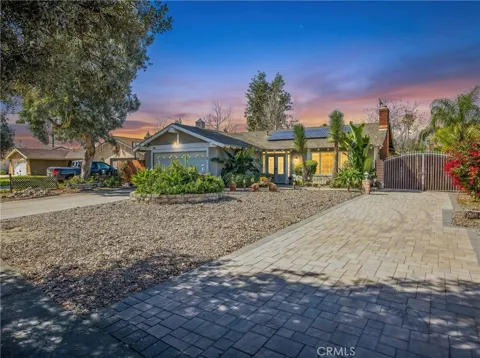
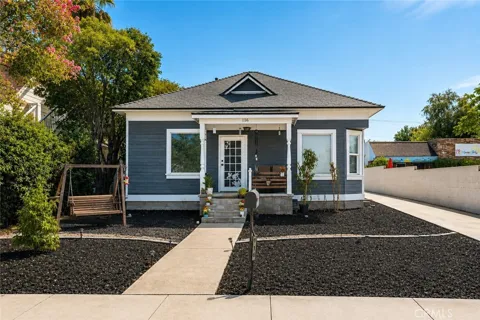
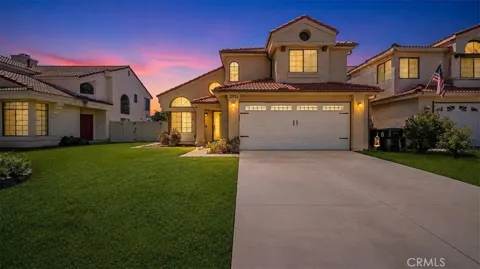
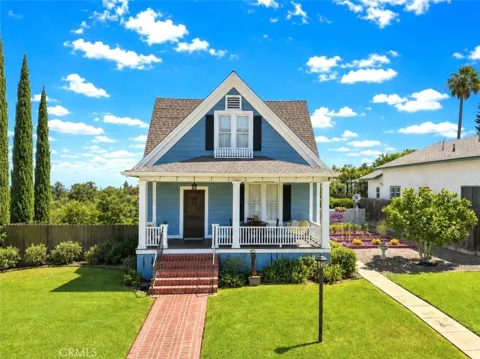
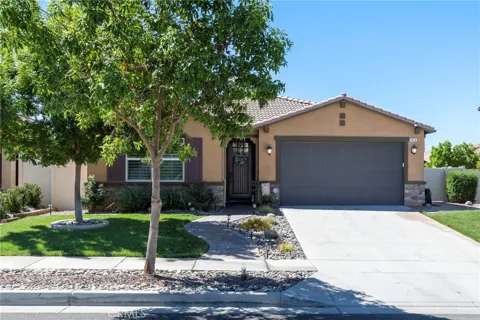
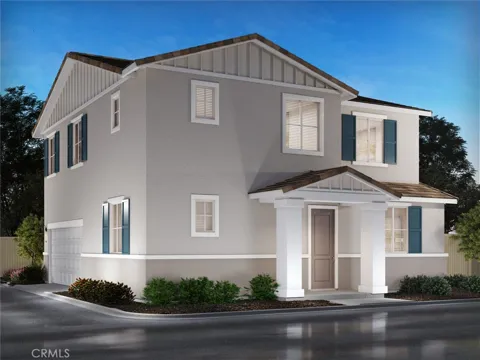
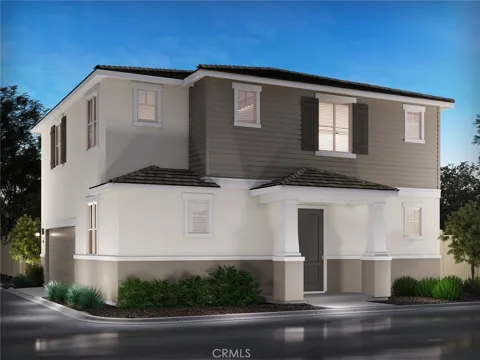
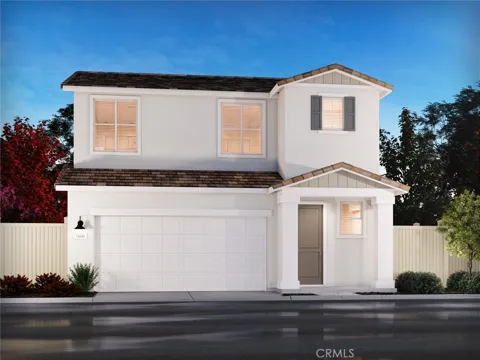
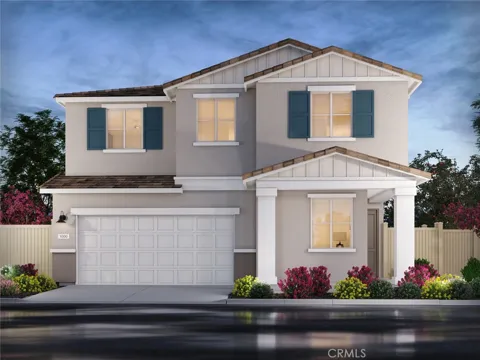
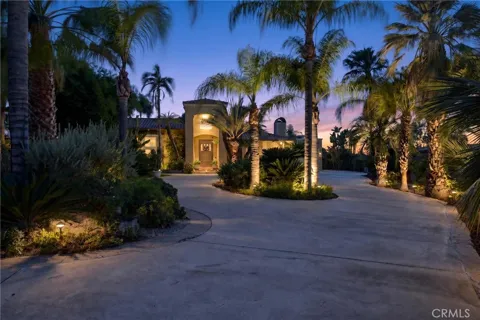
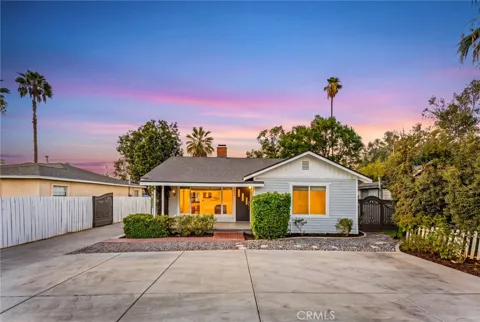
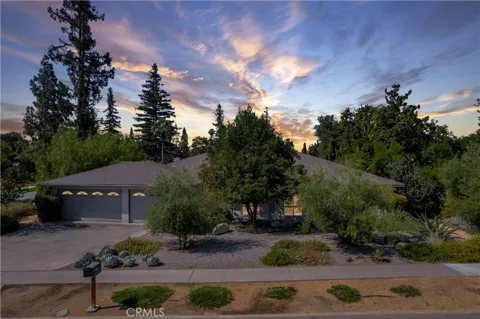
City Guide
About Redlands
Real Estate & Housing
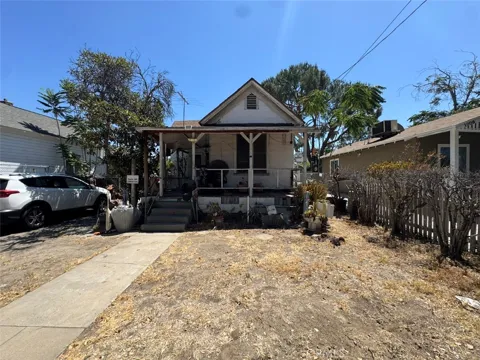
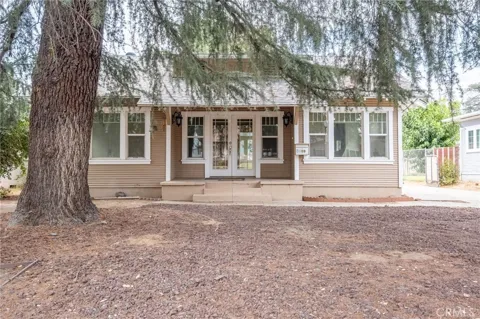
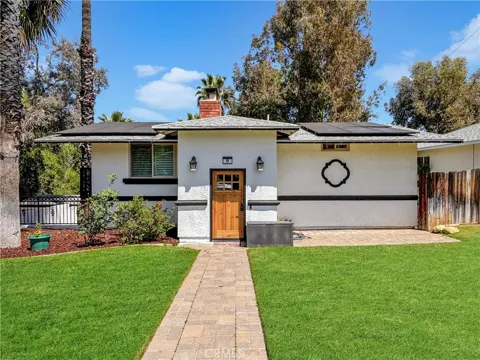
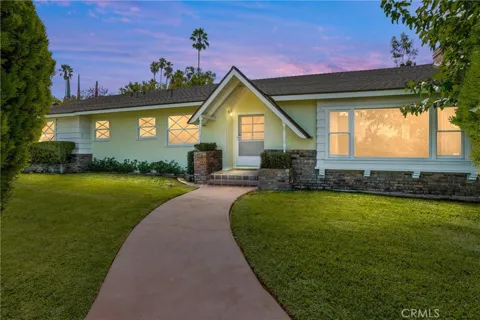
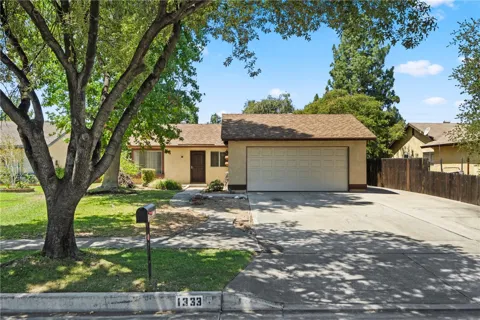
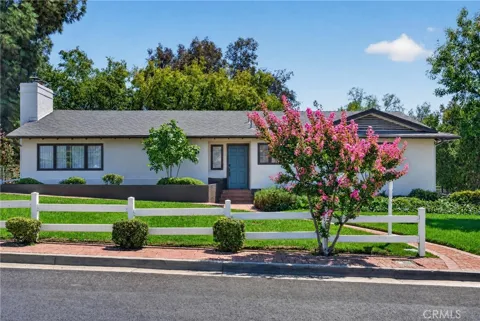
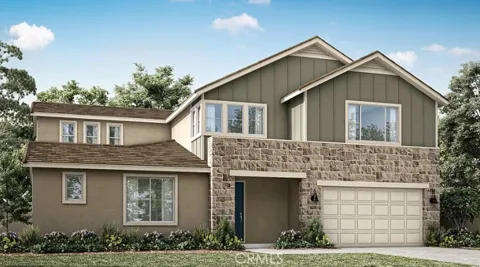
Redlands' housing stock is among the most historically rich in the Inland Empire. The city is known for its Victorian and early-twentieth-century homes, many concentrated in the nationally and city-designated historic districts around downtown and South Redlands, with broad porches, deep lots, and mature street trees. Around this core, mid-century ranches and later subdivisions add more conventional single-family stock, while newer master-planned communities fill the city's edges. The University of Redlands area holds larger, established homes, and the historic districts—two nationally designated and eight city-designated—attract buyers seeking character and preservation. The market blends renovation-minded historic buyers with families drawn to the city's schools and proximity to the mountains.
Neighborhoods
Redlands' neighborhoods are anchored by a walkable, historic downtown centered on State Street, with early-twentieth-century commercial architecture, restaurants, shops, and community events. South Redlands is known for larger homes, established tree-lined streets, and proximity to the University of Redlands campus. The Historic Redlands neighborhood sits between South Redlands and the university, dense with Victorian-era houses and part of the city's designated historic districts. North Redlands and the areas along the I-10 corridor include newer subdivisions and more suburban-scale development, while the eastern edge approaches the university and the Arrow rail terminus. The city's two nationally designated and eight city-designated historic districts preserve roughly 700 landmark buildings and structures.
Lifestyle in Redlands
Redlands' lifestyle is shaped by its historic downtown, its university, and its mountain backdrop. State Street anchors daily life with dining, coffee shops, boutiques, and a Thursday farmers market, while the Redlands Bowl's free summer concert series draws residents to Smiley Park on warm evenings. The University of Redlands adds lectures, performances, and a college-town energy. The city's citrus-era estates—Kimberly Crest House and Gardens and Prospect Park—provide green space and cultural landmarks, and the San Bernardino Mountains offer hiking and skiing nearby. Redlands attracts a mix of professionals, educators, and families who value its walkable core, historic architecture, and a civic calendar that keeps the community engaged.
Schools & Education
Redlands is served by the Redlands Unified School District, founded in 1905 and encompassing about 147 square miles. The district serves the city of Redlands as well as Loma Linda, Mentone, Forest Falls, and portions of San Bernardino and Highland. Redlands High School traces its roots to 1892 and operates from a historic campus on Citrus Avenue. Because the district covers a wide and varied geography, families should verify school assignments by address, as neighborhoods in different parts of the district feed different schools. The presence of the University of Redlands adds higher-education and cultural resources to the community.
Getting Around
Redlands sits along Interstate 10, the Inland Empire's primary east-west freeway, placing San Bernardino, Riverside, and the broader region within easy reach, with the mountains rising immediately to the north. The Metrolink Arrow rail service, which opened in 2022, runs between San Bernardino and a terminus near the University of Redlands campus, connecting riders to Metrolink's San Bernardino Line and onward to Los Angeles Union Station. Local bus service and the city's walkable downtown provide alternatives for shorter trips. The combination of freeway access, a dedicated rail line, and a compact historic core makes Redlands one of the more connected cities in the eastern Inland Empire.
Parks & Recreation
Redlands' recreation blends civic culture with the outdoors. The Redlands Bowl in Smiley Park hosts free summer concerts in one of the region's most beloved traditions, while Prospect Park, a citrus-era estate, offers gardens, trails, and an outdoor theater. The Kimberly Crest House and Gardens preserves a Victorian mansion and formal grounds open to the public. The city's parks and sports fields support youth and adult leagues, and the San Bernardino Mountains—reachable within minutes—add hiking, camping, and skiing at destinations such as the San Bernardino National Forest. The San Bernardino County Museum, located in Redlands, anchors regional history and natural-science programming.
About Redlands
Frequently asked questions
What county is Redlands in?
Redlands is in San Bernardino County, California, in the Inland Empire region at the base of the San Bernardino Mountains. It is one of the county's larger and most historically significant cities.
What is Redlands known for?
Redlands is known for its navel-orange heritage, Victorian architecture, the University of Redlands, and the Redlands Bowl's free summer concert series. The first orange grove was planted in 1882, and the city led the world's navel-orange production for roughly 75 years.
What school district serves Redlands?
Redlands is served by the Redlands Unified School District, founded in 1905 and covering about 147 square miles. The district also serves Loma Linda, Mentone, Forest Falls, and portions of San Bernardino and Highland.
Does Redlands have train service?
Yes. The Metrolink Arrow rail line runs between San Bernardino and a station near the University of Redlands campus, connecting Redlands to Metrolink's regional network and onward to Los Angeles Union Station.
What is the population of Redlands?
Redlands had a population of 73,168 in the 2020 U.S. census, up from 68,747 in 2010. It is a mid-sized city in the eastern Inland Empire, with a diversified economy anchored by the technology company Esri.
Still have questions about Redlands?
Get in touchExplore the area