San Gabriel Valley Hillside City
Welcome to Diamond Bar, an eastern Los Angeles County hillside city set at the junction of the Pomona and Orange freeways, named for a ranch branding iron.
Diamond Bar is a city in the San Gabriel Valley of eastern Los Angeles County, California, set on rolling hills near the junction of the Pomona Freeway (State Route 60) and the Orange Freeway (State Route 57). Its name comes from the "diamond over a bar" branding iron registered in 1918 by rancher Frederic E. Lewis, a reminder of the cattle-ranching era that preceded the modern suburb. The city's modern form began in the 1950s, when the Transamerica Corporation acquired the ranch and began developing it as a master-planned community. Over the following decades, houses, schools, and commercial corridors replaced pastureland, and Diamond Bar incorporated as a city in 1989. Today it is a mature suburb of roughly 55,000 residents, with a notably diverse population — over half of residents identify as Asian American, reflected in the area's restaurants, markets, and community institutions. Diamond Bar is best understood as a planned, family-oriented suburb positioned as a gateway between the San Gabriel Valley and the Inland Empire. Its signature neighborhood, Diamond Bar Country Estates — known locally as The Country — is a gated enclave of custom homes with private equestrian trails and sweeping views of the Walnut and Pomona valleys, carrying the area's equestrian heritage into the present. The rest of the city unfolds in conventional tracts of single-family homes with neighborhood parks and schools. The city's anchor institutions are its schools. The Walnut Valley Unified School District, which serves Diamond Bar along with neighboring Walnut, ranks among the top-performing districts in California, and its schools are a primary reason families choose the area. Combined with its freeway position, Diamond Bar suits households seeking strong schools, hillside scenery, and reach to employment across four counties.
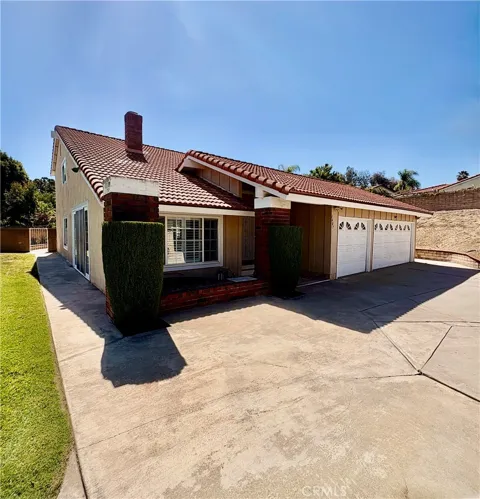
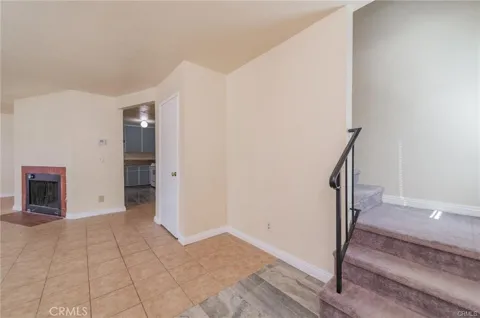
Diamond Bar is a city in the San Gabriel Valley of eastern Los Angeles County, California. It sits near the junction of the Pomona and Orange freeways and borders Orange, Riverside, and San Bernardino counties.
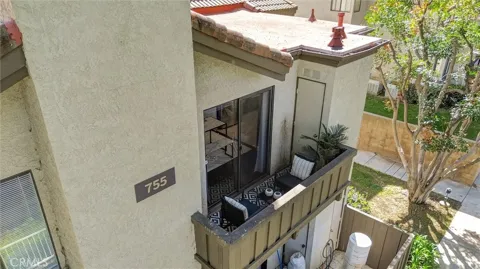
Diamond Bar is served primarily by the Walnut Valley Unified School District, which operates schools including Diamond Bar High School, Castle Rock Elementary, Collegewood Elementary, and Chaparral Middle School. The district is ranked among the top in California.
The name comes from the 'diamond over a bar' branding iron registered in 1918 by rancher Frederic E. Lewis, who owned the land before it became a planned community. The Transamerica Corporation later developed the ranch into the modern suburb.
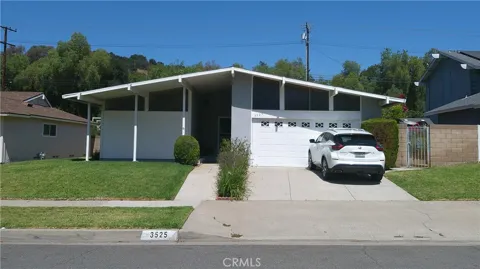
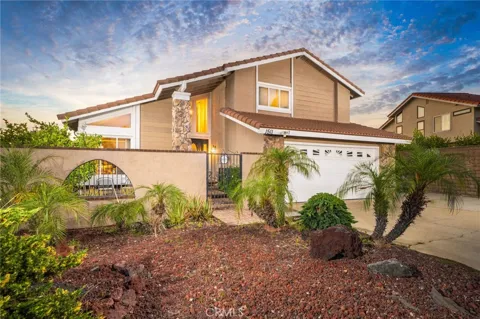
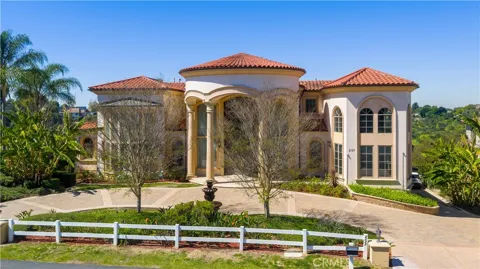
The Country, formally Diamond Bar Country Estates, is the city's gated community of custom homes on large lots with private equestrian trails and views of the Walnut and Pomona valleys. It developed from the 1950s and has had its own association since 1966.
Diamond Bar incorporated as a city in 1989. The area had grown from a cattle ranch into a master-planned suburb beginning in the 1950s, largely under the direction of the Transamerica Corporation.
City Guide
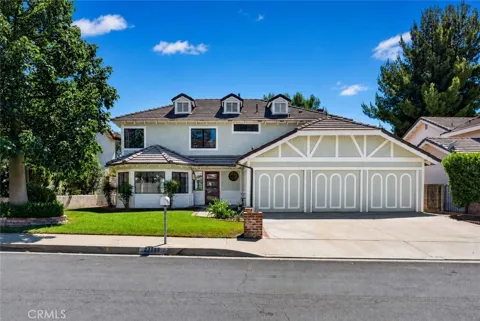
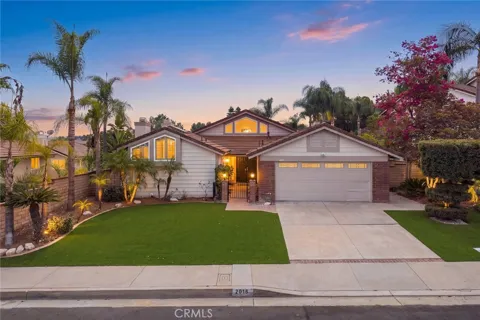
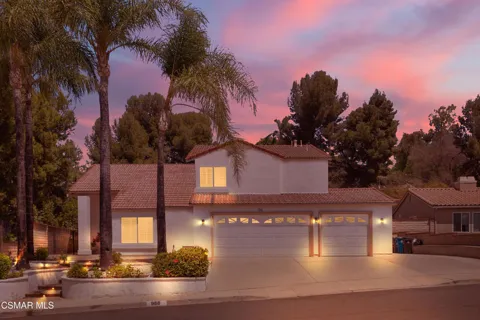
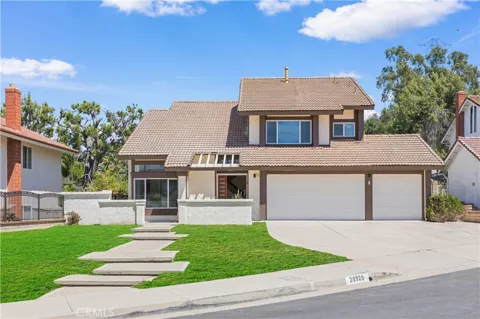
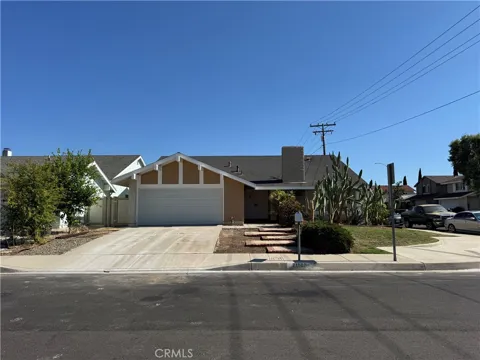
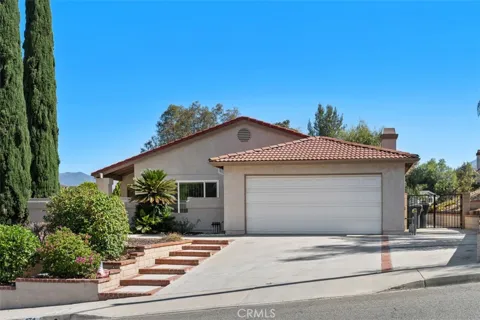
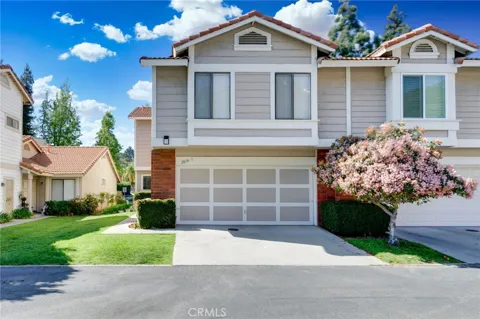
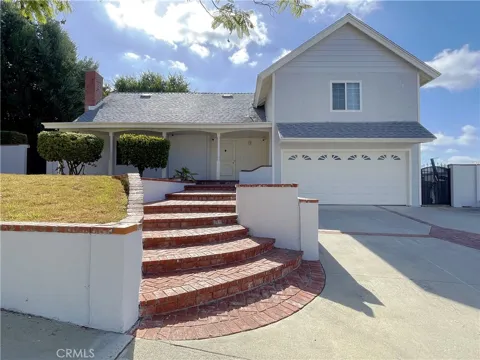
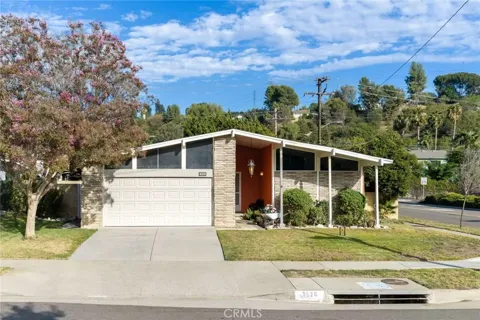
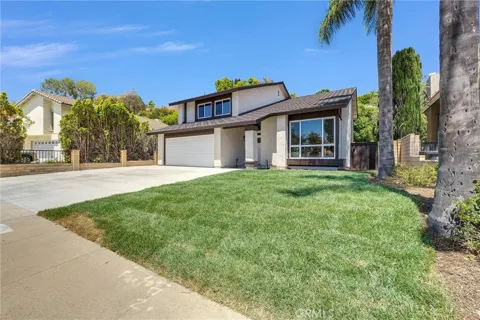
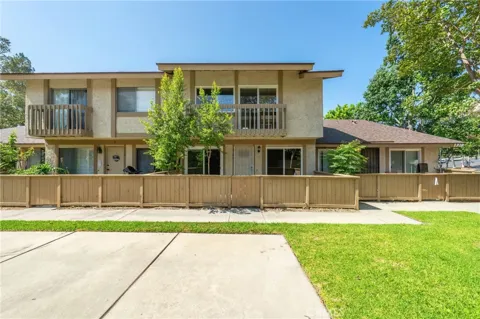
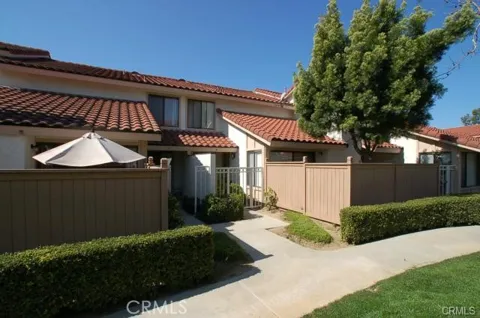
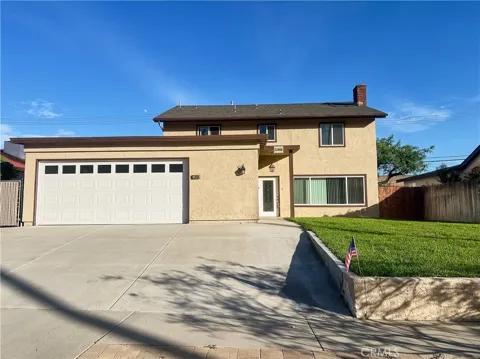
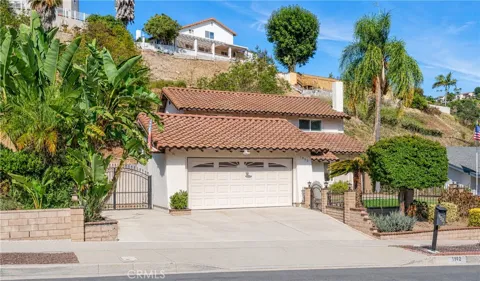
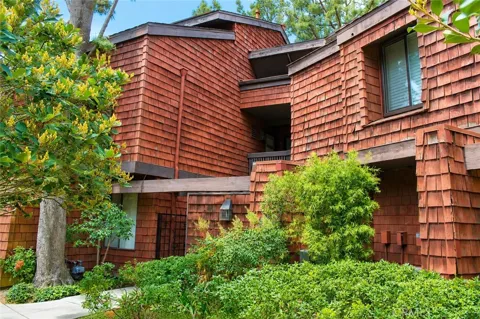
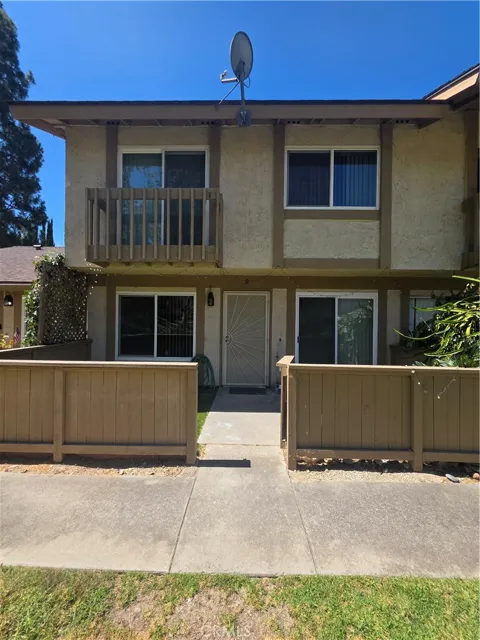
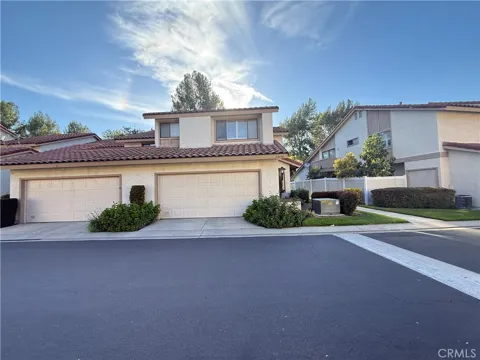
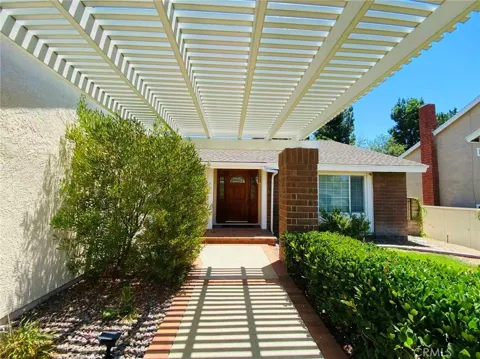
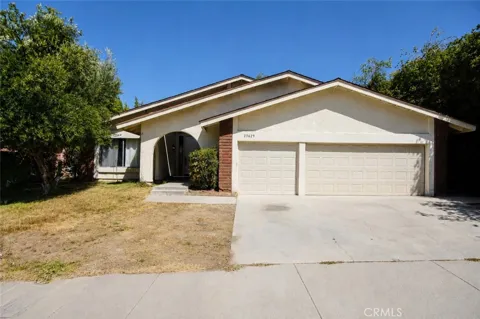
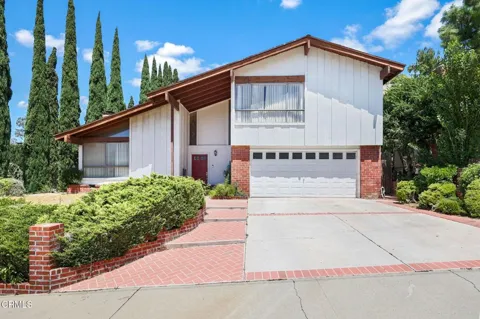
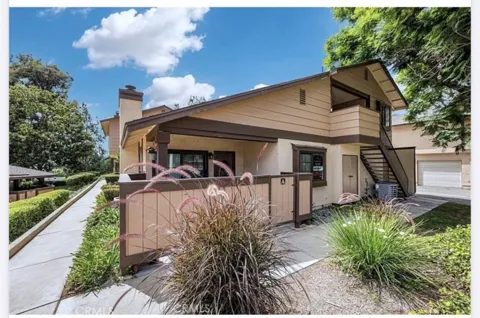
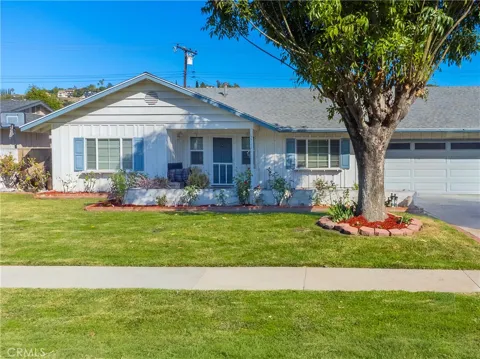
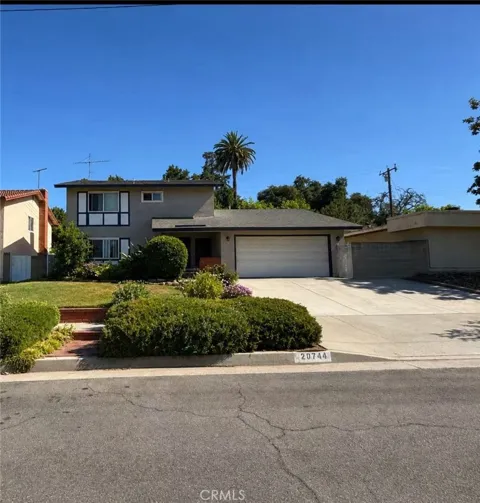
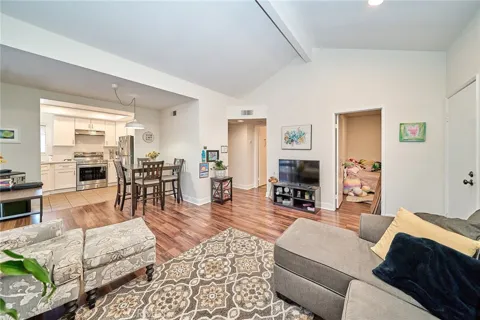
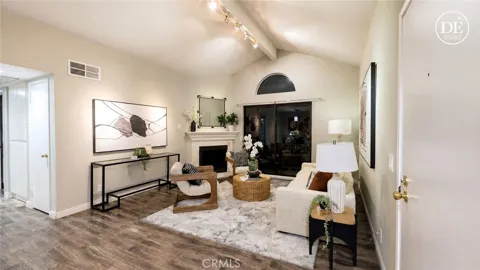
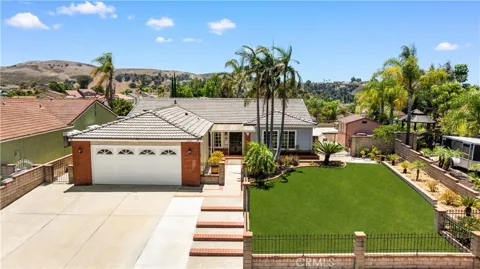
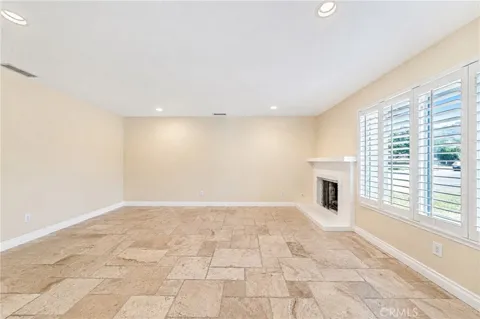
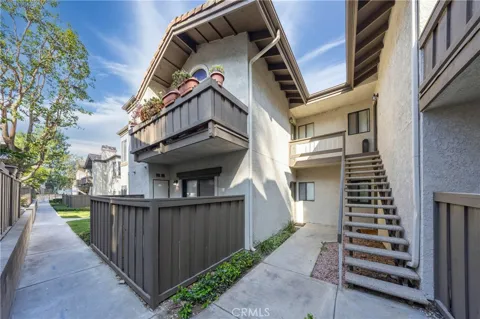
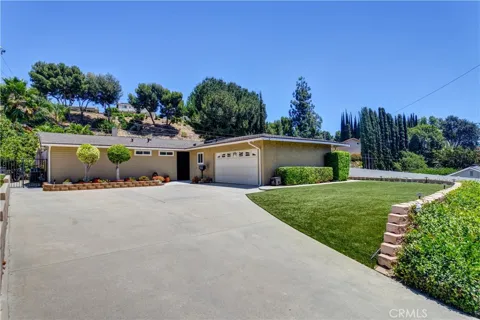
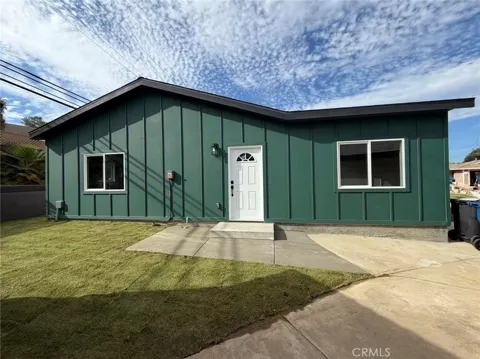
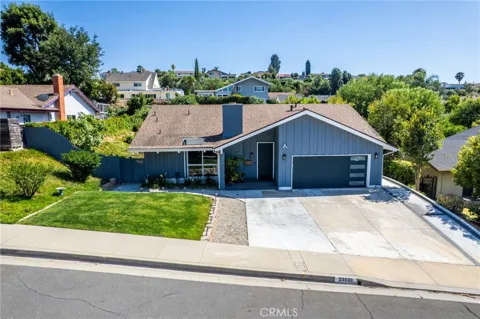
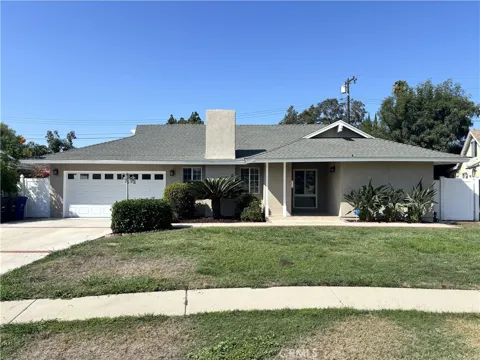
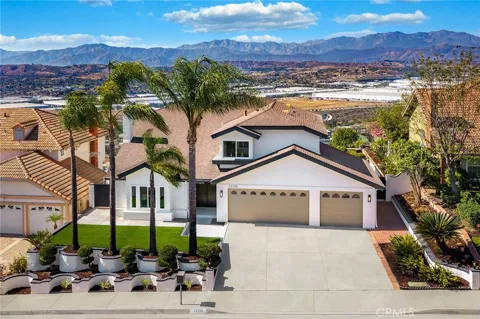
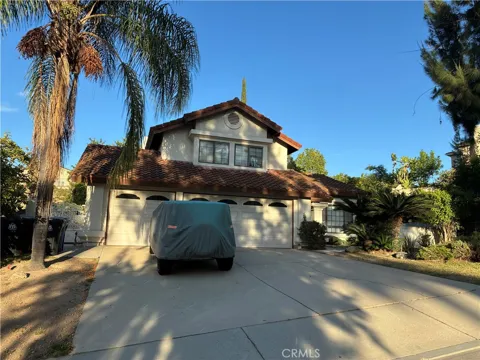
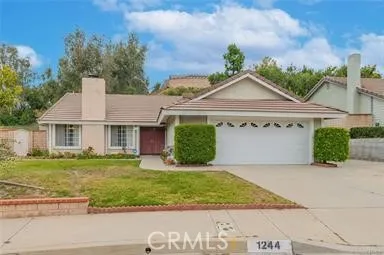
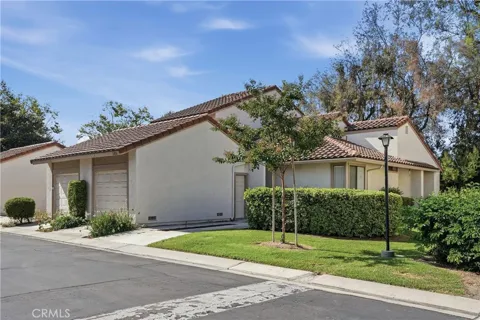
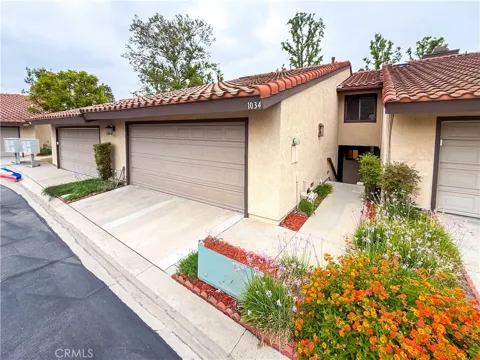
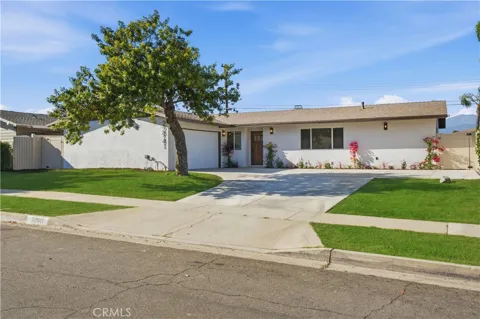
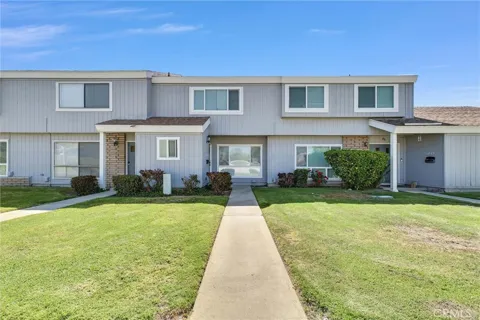
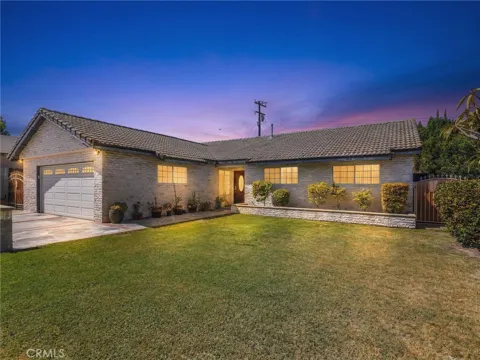
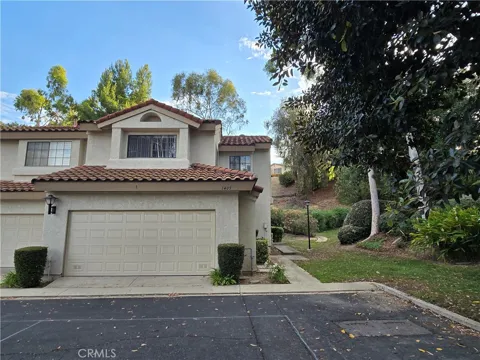
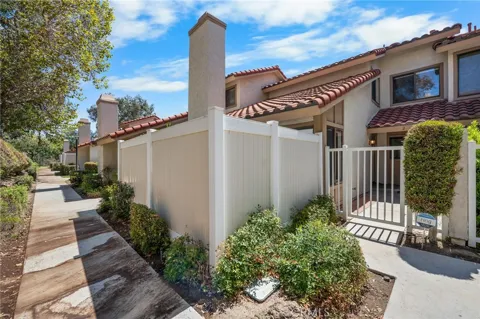
Diamond Bar's housing stock reflects its origin as a mid-century master-planned community. The city is dominated by detached single-family homes in planned suburban tracts, many with hillside and valley views, alongside a smaller share of condominiums and townhomes. The signature address is Diamond Bar Country Estates, known locally as The Country, a gated community of custom homes on large lots with private equestrian trails and views over the Walnut and Pomona valleys, developed from the 1950s and organized under its own association since 1966. The overall character is suburban and car-oriented, with mature landscaping, cul-de-sac street patterns, and homes built largely from the 1960s onward.
The Country, formally Diamond Bar Country Estates, is Diamond Bar's most distinctive neighborhood — a gated enclave of custom homes with equestrian trails and panoramic views of the Walnut and Pomona valleys. Surrounding it, the rest of the city unfolds in conventional master-planned tracts with winding streets and neighborhood parks. Because the city was built largely as a planned suburb, neighborhood identity often tracks the original tract developments and school attendance areas rather than a historic downtown grid. Commercial activity concentrates along major corridors such as Diamond Bar Boulevard and Grand Avenue, which connect the city's residential pockets to the 60 and 57 freeways.
Diamond Bar offers a family-oriented, suburban lifestyle anchored by strong schools and convenient freeway access. The community is notably diverse, with a majority of residents identifying as Asian American, and this is reflected in the area's restaurants, markets, and cultural institutions. Daily life centers on the schools, neighborhood parks, and shopping along the city's commercial corridors. The Country adds a distinctive equestrian and hillside flavor, preserving a link to the city's ranch heritage. Residents generally value the combination of planned-suburb comfort, hillside scenery, and quick freeway reach to jobs and amenities across Los Angeles, Orange, Riverside, and San Bernardino counties.
Diamond Bar is served primarily by the Walnut Valley Unified School District, one of the highest-rated districts in California. The district operates schools in Diamond Bar including Castle Rock Elementary, Collegewood Elementary, and Chaparral Middle School, along with Diamond Bar High School, a California Distinguished School. Across roughly 15 schools, the district serves about 14,000 students in Diamond Bar and neighboring Walnut. Because the district crosses city lines, families should verify attendance boundaries by address. The strength of the public schools is a defining feature of the community and a common reason households choose to live in Diamond Bar.
Diamond Bar sits at the junction of the Pomona Freeway (State Route 60) and the Orange Freeway (State Route 57), making it a commuter hub serving Los Angeles, Orange, Riverside, and San Bernardino counties. The 57/60 interchange is one of the region's busiest, and improvements to the confluence have been a long-running regional priority. Commuting is overwhelmingly car-based, with the freeways linking residents to employment centers across the eastern Los Angeles basin and the Inland Empire. The city's position bordering three other counties underscores its role as a gateway between the San Gabriel Valley and points east and south.
Diamond Bar's recreation centers on its hillside setting and master-planned amenities. The gated Diamond Bar Country Estates includes private equestrian trails, a living legacy of the area's ranch origins, and the city's rolling terrain offers views over the Walnut and Pomona valleys. The city maintains a system of neighborhood parks, sports fields, and community facilities for residents. Its position at the edge of the San Gabriel Valley places hiking in the surrounding hills within easy reach, and the 57/60 freeway junction puts regional recreation destinations across four counties within driving distance.
MARKET SNAPSHOT
How homes have been selling here over the last 90 days.
Market data reflects closed sales over the last 90 days and is provided for informational purposes.
BROWSE BY ZIP
Browse listings by postal code in this area.