San Joaquin Valley Growth Hub
Welcome to Lathrop, a fast-growing San Joaquin County city where the River Islands community and the Altamont Corridor connect the Valley to the Bay Area.
Lathrop is a city in San Joaquin County, California, located about ten miles south of Stockton in the northern San Joaquin Valley. The community began as a railroad town and grew modestly through the early twentieth century, then expanded after World War II as housing tracts and large industrial employers arrived. Lathrop incorporated as a city in 1989 and adopted its first general plan in 1991, setting the stage for the growth that has since transformed it. The San Joaquin River runs through the middle of the city, and its riverside landscape has become central to the community's modern identity. Lathrop's population has surged in recent years. The 2020 census counted 28,701 residents, and subsequent growth has pushed the figure significantly higher, making Lathrop one of the fastest-expanding cities in the region. Much of that growth is tied to the River Islands master-planned community, a large development rising along the San Joaquin River with neighborhoods organized around lakes, walking trails, parks, and a boathouse. New schools, shopping centers, and services have followed the housing, reshaping what was once a small industrial town into a substantial suburban city. Lathrop appeals strongly to commuters and families seeking newer housing with access to the Bay Area. The city sits at the junction of Interstate 5 and Interstate 205, the latter connecting to Interstate 580 over the Altamont Pass, and the Altamont Commuter Express train stops in Lathrop with service toward San Jose. That transportation position, combined with relatively attainable new construction, has made Lathrop a primary gateway for Bay Area workers moving into the Central Valley.
Lathrop is a city in San Joaquin County, California, located about ten miles south of Stockton in the northern San Joaquin Valley. It sits at the junction of several major transportation corridors.
River Islands is a large master-planned community being developed along the San Joaquin River in Lathrop. It features planned neighborhoods, lakes, walking trails, parks, a boathouse, and community amenities built around the riverfront.
Lathrop is served by the Manteca Unified School District, which provides public education across the city and surrounding area. Schools in Lathrop include Lathrop Elementary, Joseph Widmer, and Mossdale elementary schools, along with Lathrop High School.
Commuters can reach the Bay Area via Interstate 205 and Interstate 580 over the Altamont Pass. The Altamont Commuter Express (ACE) train also stops in Lathrop, with scheduled service toward Tracy, Livermore, Pleasanton, Fremont, and San Jose.
Lathrop was incorporated in 1989, making it a relatively young city. It grew from a railroad and industrial town into a fast-expanding residential community, with its population rising sharply as new development such as River Islands has come online.
City Guide
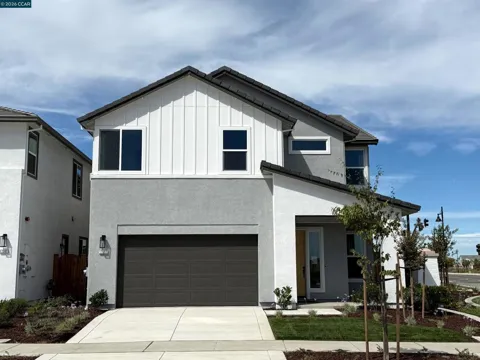
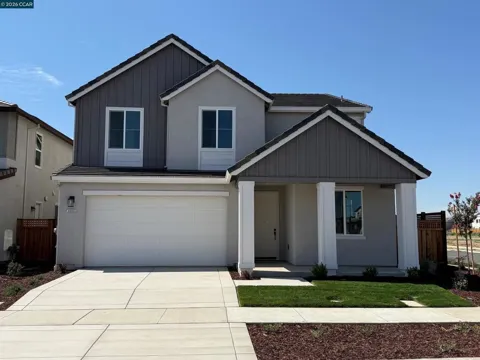
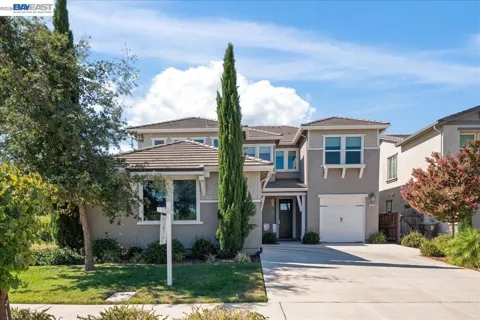
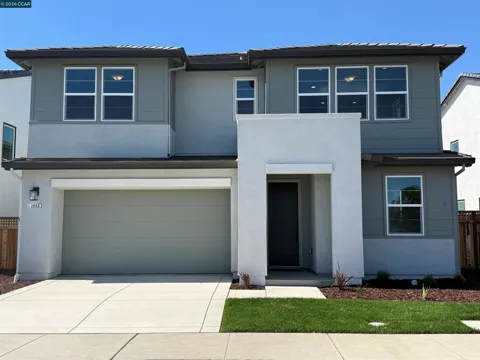
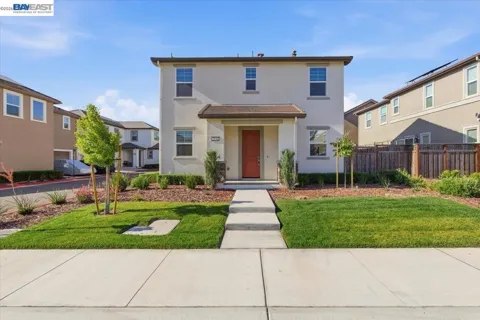
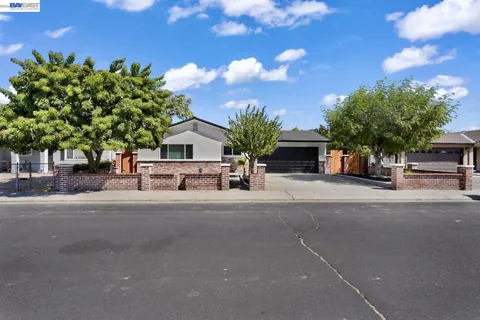
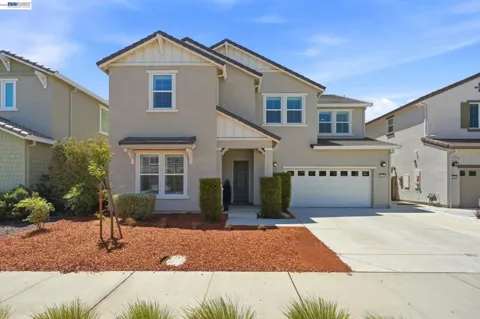
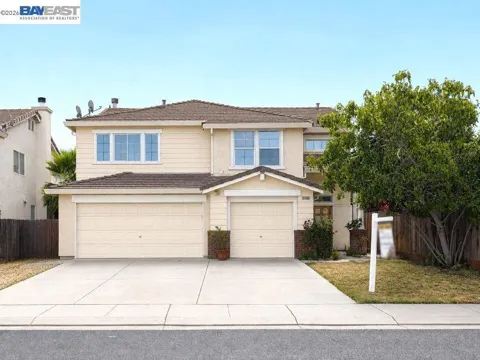
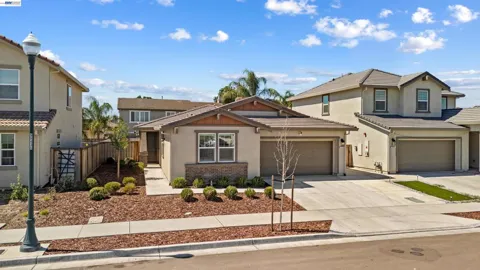
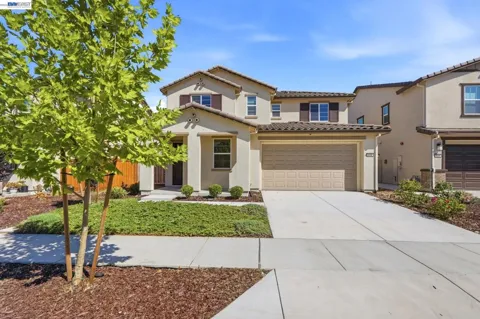
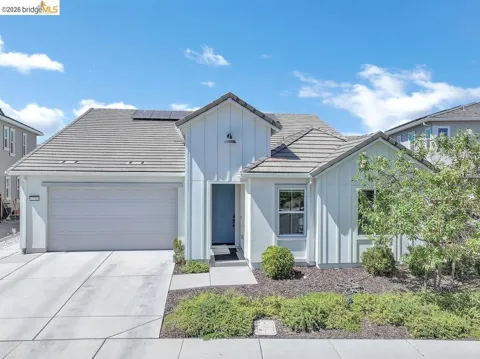
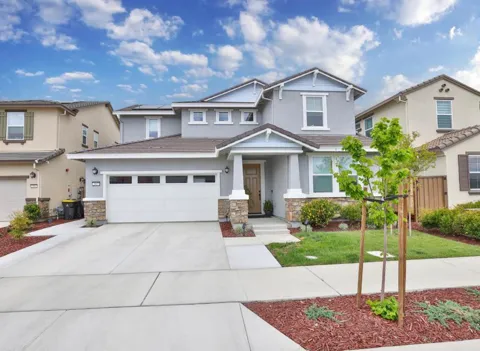
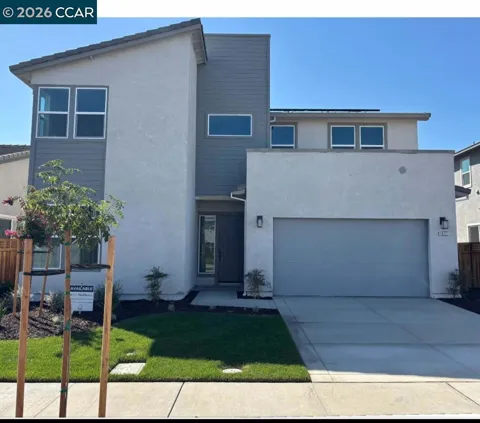
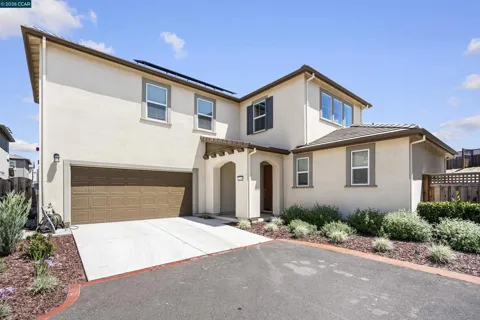
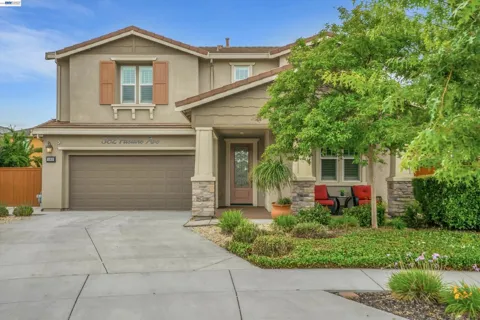
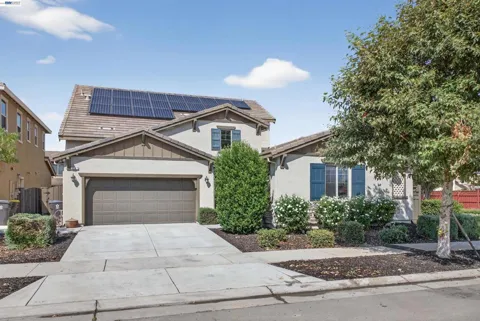
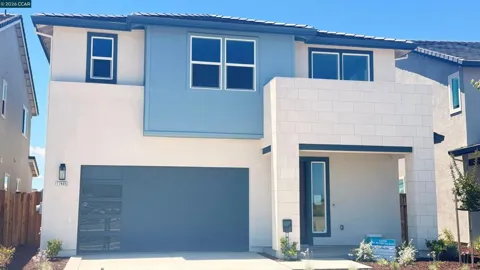
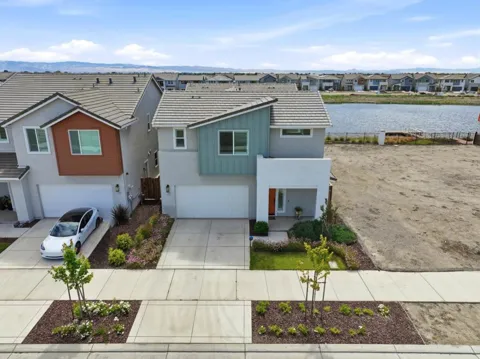
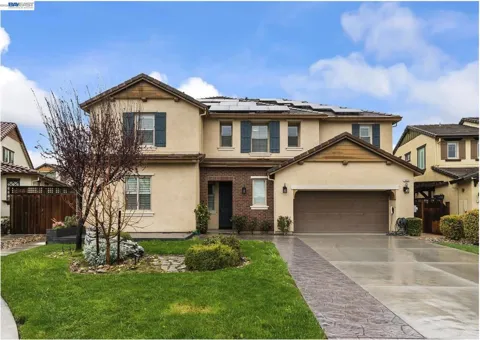
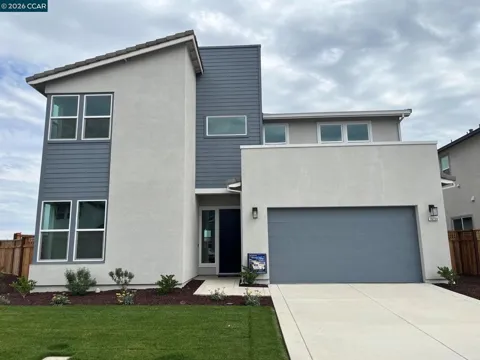
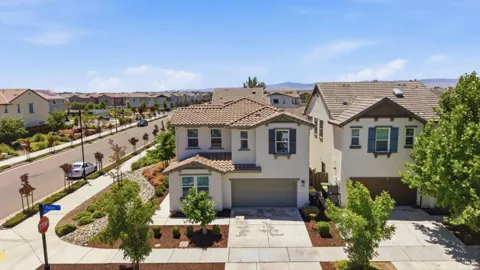
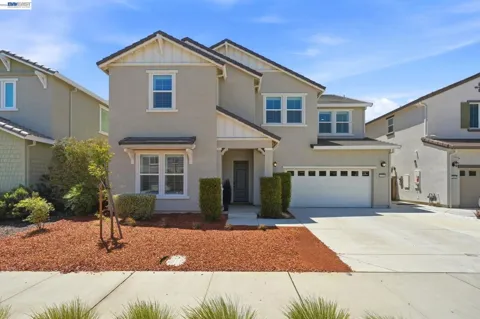
Lathrop's housing market is defined by its recent and ongoing growth. The city's original postwar housing tracts, built in the decades after World War II, form an established core of modest single-family homes, while the bulk of newer inventory comes from large master-planned communities such as River Islands and Stanford Crossing. These developments bring contemporary single-family homes, many oriented around lakes, trails, and parks, and they have driven the city's sharp population growth. The San Joaquin River and its surrounding floodplain historically constrained development, and the River Islands project represents a deliberate transformation of that landscape into residential neighborhoods. The result is a market weighted toward new and nearly new construction, appealing to buyers seeking a newer home at a Central Valley price point within commuting distance of the Bay Area.

Lathrop is shaped by the contrast between its original townsite and its expansive new communities. The older part of the city, near the historic railroad alignment and the first postwar tracts, retains the scale and character of a small Central Valley town. River Islands, the city's signature master-planned community, is rising along the San Joaquin River with a network of neighborhoods built around lakes, trails, and parks, including areas such as the Community at South River Bend. Stanford Crossing is another newer planned area adding residential streets and amenities. Between these anchors, the city continues to fill in with new subdivisions, making Lathrop a community where established small-town blocks and brand-new, amenity-rich neighborhoods sit side by side.
Lathrop offers a growing suburban lifestyle shaped by new development and its position on the edge of the Bay Area commuter corridor. The city's newer master-planned communities, particularly River Islands, emphasize walkable streets, neighborhood lakes, trails, and parks, giving residents a recreational, family-oriented environment. The city's rapid growth has brought new schools, shopping, and services to the area, while its older sections retain a smaller-town, Central Valley character. Residents tend to be commuters and young families drawn by the combination of newer housing and access to jobs in Stockton, Tracy, and the Bay Area. The San Joaquin River and its planned riverfront amenities add an outdoor dimension to daily life in a city still defining its identity through growth.
Lathrop is served by the Manteca Unified School District, which provides public education across the city and the surrounding area. Schools in Lathrop include Lathrop Elementary, Joseph Widmer, and Mossdale elementary schools, along with Lathrop High School. As the city's population has grown, the district has expanded its facilities to keep pace with new residential development, and additional schools are planned as the River Islands and other master-planned communities build out. The district's size gives Lathrop families access to a broad range of programs across the Manteca area, while neighborhood elementary schools keep younger students close to home in the city's newer and older sections alike.

Lathrop sits at a strategic point in the northern San Joaquin Valley's transportation network. Interstate 5 runs along the city's western edge, providing north-south access to Stockton and the wider valley, while Interstate 205 connects east-west to Interstate 580 and the Altamont Pass, the principal route into the Bay Area and Silicon Valley. State Route 120 also links Lathrop to Manteca and points east. The Altamont Commuter Express (ACE) rail line stops in Lathrop, offering commuter service toward Tracy, Livermore, Pleasanton, Fremont, and San Jose. This combination of major highways and commuter rail makes Lathrop one of the Central Valley's most connected gateways for Bay Area commuters.

Lathrop's recreation is increasingly defined by the amenities of its new master-planned communities and the San Joaquin River. River Islands is building a network of neighborhood parks, lakes, walking trails, and a boathouse along the river, with facilities such as Champions Park, a 15-acre community park, Tidewater Park on Lake Somerston, and Lathrop Landing Park providing sports fields, courts, and open space. The river itself offers the potential for water access and riverside recreation as the community's vision is built out. The city also maintains traditional parks and ballfields in its established areas. For residents, the combination of neighborhood-scale parks, planned lake amenities, and proximity to the river gives the growing city an unusually recreation-oriented footprint for a Central Valley suburb.
MARKET SNAPSHOT
How homes have been selling here over the last 90 days.
Market data reflects closed sales over the last 90 days and is provided for informational purposes.
BROWSE BY ZIP
Browse listings by postal code in this area.