Unincorporated Central Coast Town
Welcome to Nipomo, an unincorporated Central Coast community set on the mesa between Santa Maria and Pismo Beach.
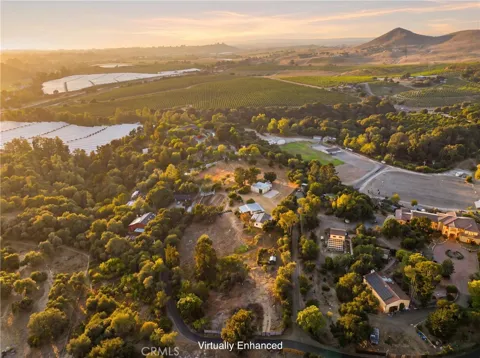
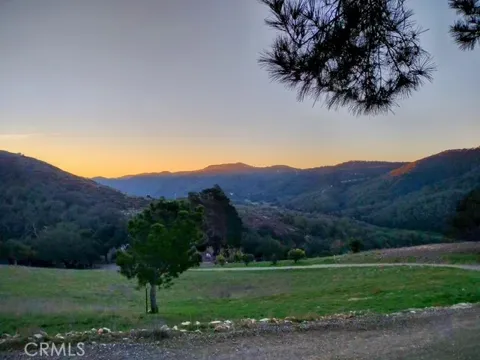
Nipomo is an unincorporated community in the southern reaches of San Luis Obispo County, California, occupying a broad coastal mesa that rises between the Santa Maria River valley and the Pacific shoreline. Its name comes from the Chumash word for the area, and the landscape has long been shaped by ranching, farming, and the open dune country that runs along its western edge. The community sits just off US 101, making it a practical Central Coast location that is a short drive from the agricultural center of Santa Maria to the south and the beach towns of Pismo Beach and Arroyo Grande to the north. The 2020 census counted roughly 18,000 residents, reflecting steady growth over recent decades as the mesa's ranchland has given way to a mix of established neighborhoods and newer subdivisions. Nipomo retains an unincorporated, semi-rural character: ranch-style homes on generous lots, small farm properties, and planned residential communities coexist, while much of daily life still revolves around Tefft Street, the town's main east-west corridor. The absence of a city government means services are provided by San Luis Obispo County and special districts, a structure that preserves the area's low-key, spread-out feel. Nipomo appeals most to people who want the mild coastal climate and open space of the Central Coast without the density and price pressure of the beachfront communities. It functions in part as a commuter and retirement community, with residents drawn by the school district, the nearby dunes and beaches, and easy access to both Santa Maria and San Luis Obispo employment centers. The Guadalupe-Nipomo Dunes along the coast provide a defining natural backdrop, while the town's own parks, ballfields, and community events give it a stable, family-oriented rhythm.
Nipomo is in San Luis Obispo County, on California's Central Coast. It is an unincorporated community, meaning it does not have its own city government and receives services such as roads, parks, and public safety from the county and local special districts rather than a municipal administration.
Nipomo is served by the Lucia Mar Unified School District, the largest school district in San Luis Obispo County. The district covers about 550 square miles at the southern end of the county and operates several elementary schools within Nipomo, including Nipomo Elementary, Dana Elementary, and Dorothea Lange Elementary.
Nipomo sits directly along US 101, roughly a 10- to 15-minute drive south of Santa Maria and about 25 to 30 minutes north of San Luis Obispo, depending on traffic. Pismo Beach and Arroyo Grande are just to the north, and the coastal route on California State Route 1 runs about five miles west of town.
Nipomo is best known for its setting on a coastal mesa beside the Guadalupe-Nipomo Dunes, one of the largest coastal dune complexes on the West Coast. The dunes, which include a national wildlife refuge, county park, and Oso Flaco Lake Natural Area, draw hikers, birders, and beachgoers from across the Central Coast.
No. Nipomo is an unincorporated town, officially a census-designated place in San Luis Obispo County. It has grown substantially over recent decades but remains governed by the county rather than a municipal council, which contributes to its semi-rural, low-density character.
City Guide
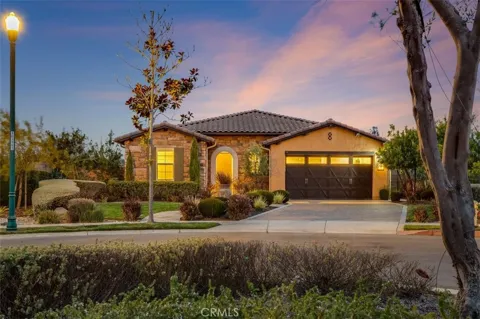
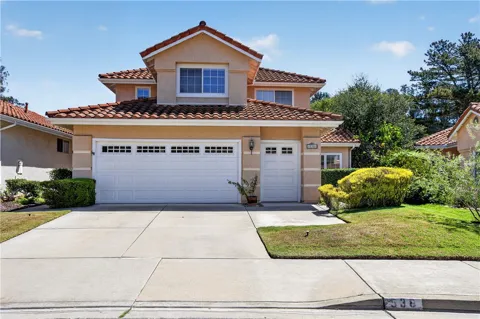
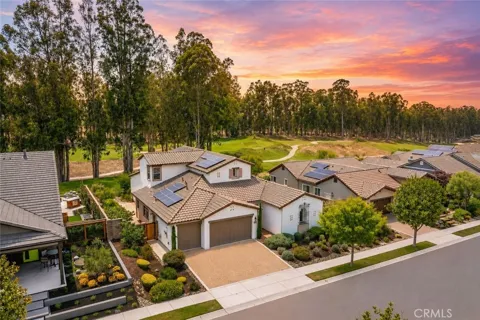
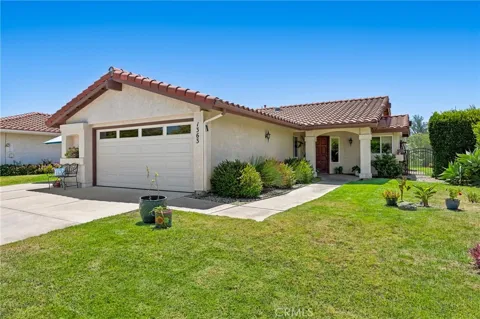
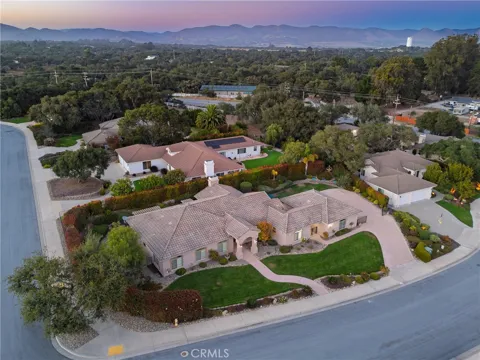
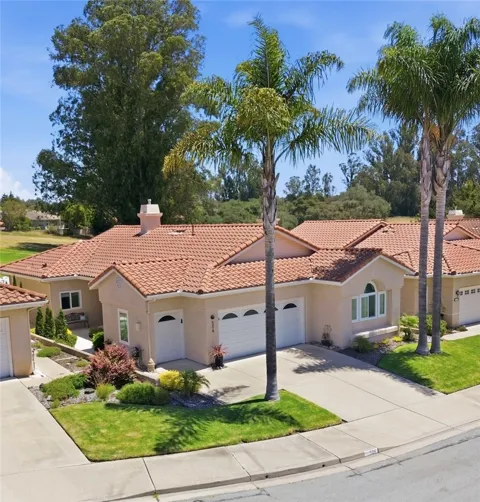
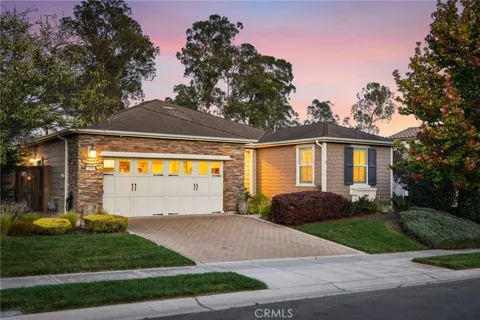
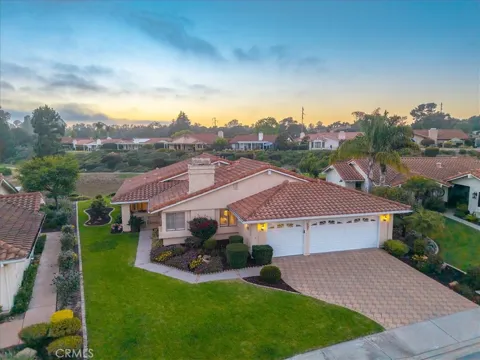
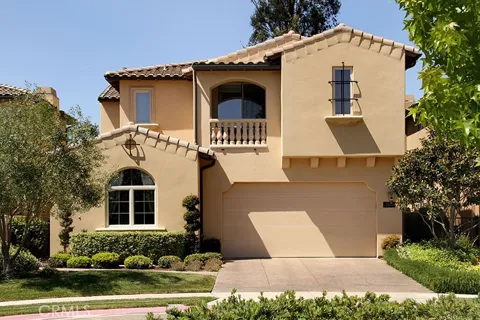
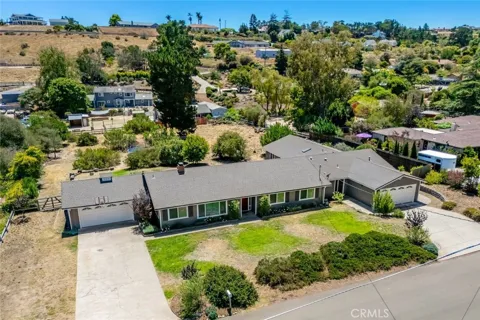
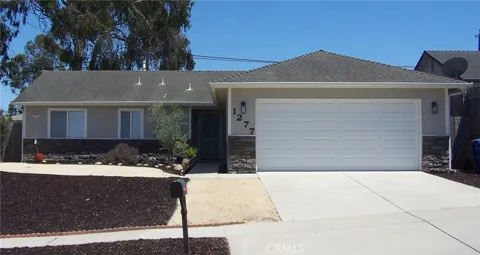
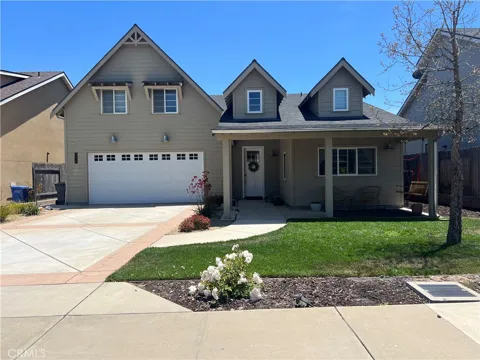
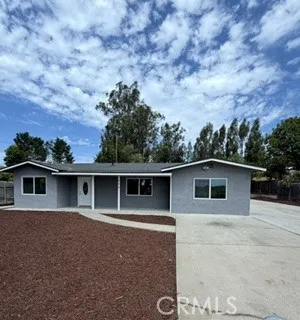
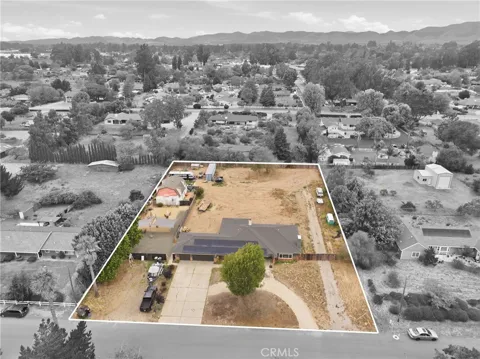
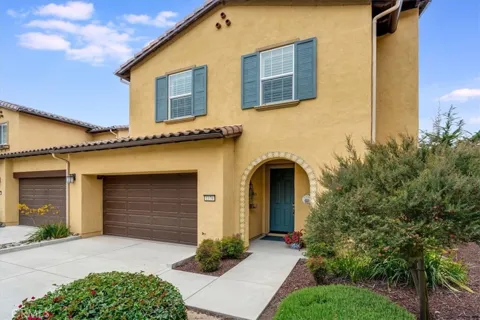
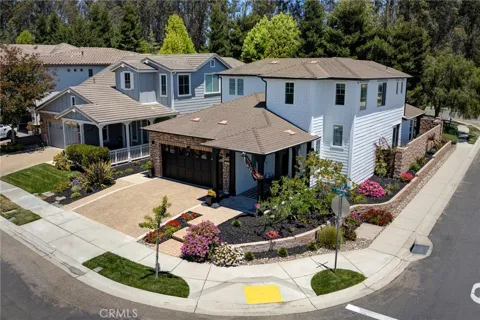
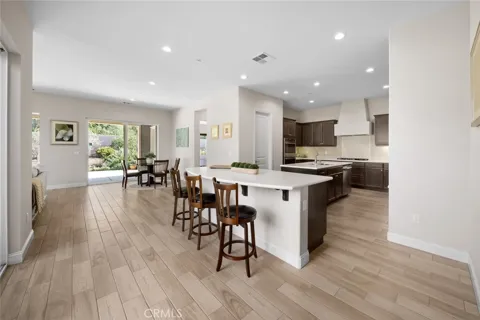
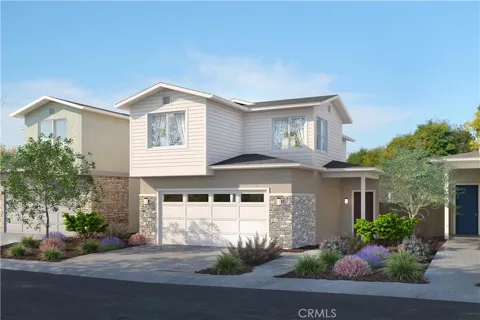
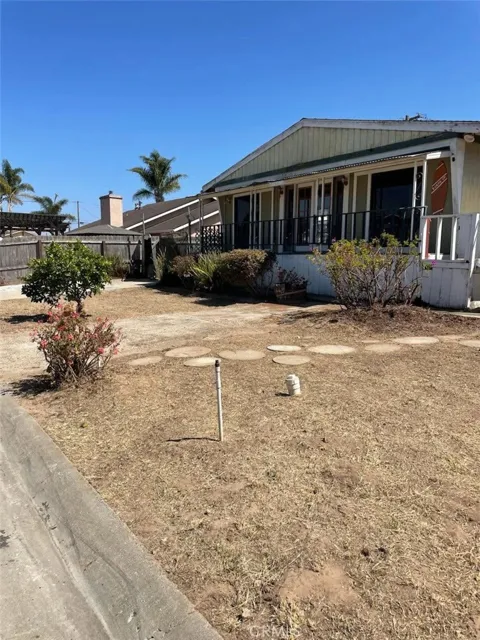
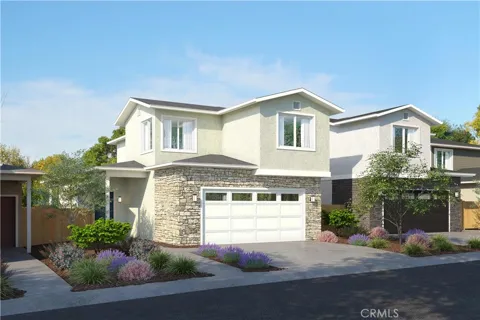
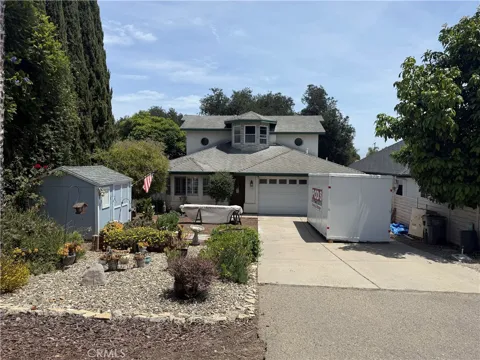
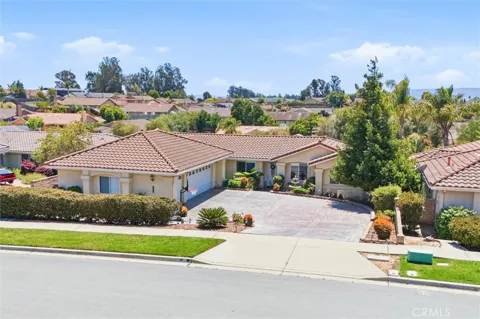
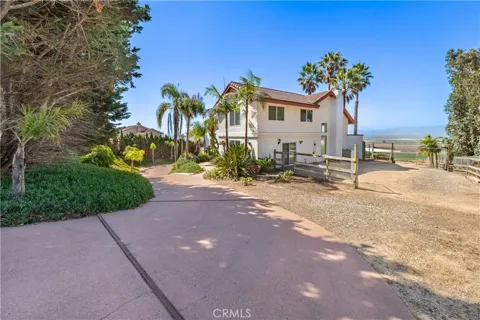
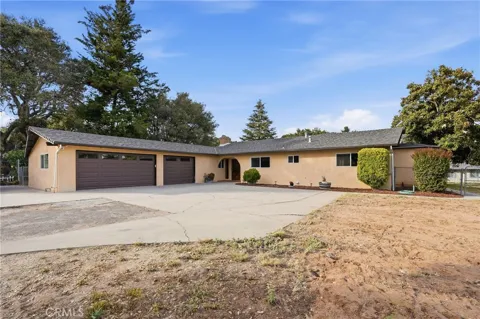
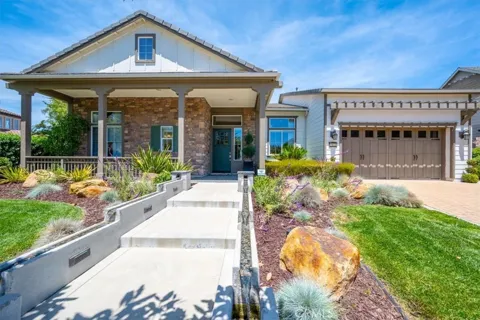
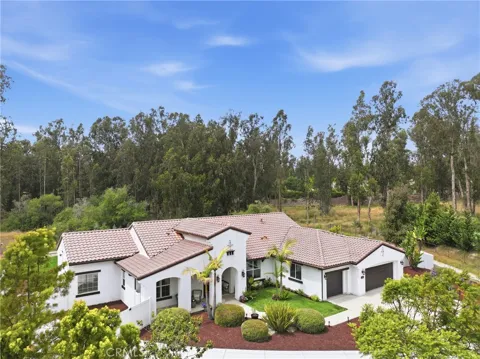
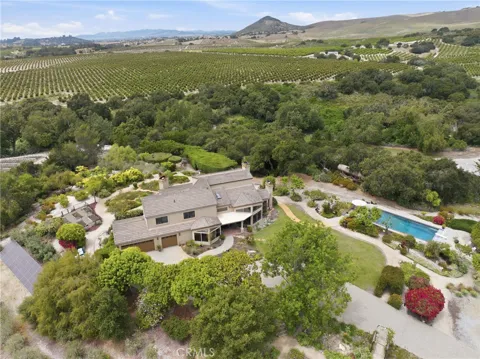
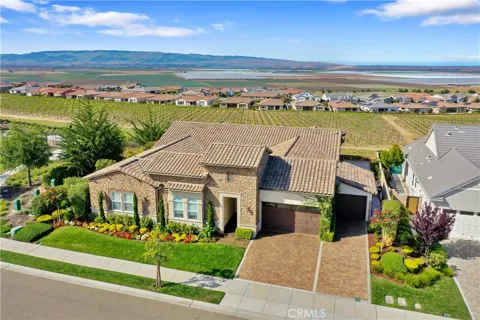
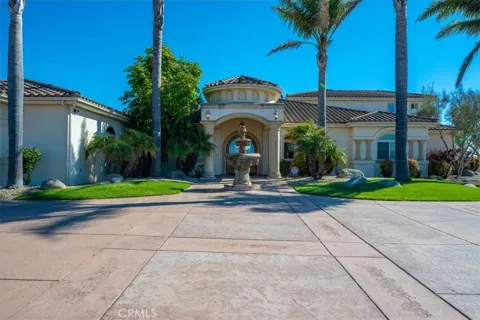
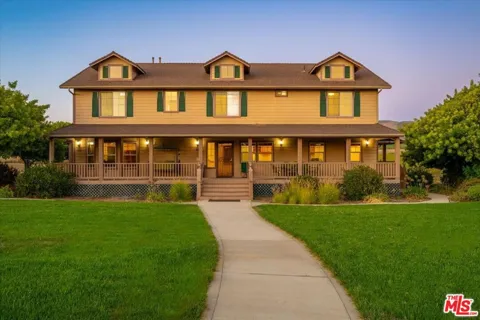
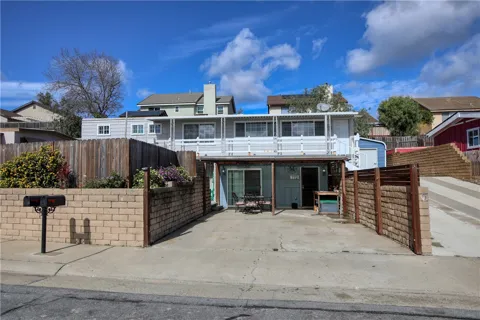
Nipomo's housing stock reflects its evolution from ranching country to a residential mesa. The community offers a broad mix: older ranch-style and custom homes on sizeable lots, agricultural and equestrian properties on the fringes, and newer master-planned subdivisions clustered around the central corridor and toward the dunes. The Nipomo Mesa's flat-topped terrain and relatively dry, coastal climate shape the character of its neighborhoods, which tend toward single-family detached homes with generous setbacks rather than dense multifamily development. Because Nipomo is unincorporated, lot sizes and design can vary considerably from one subdivision to the next, giving buyers a wider range of settings than in a tightly zoned incorporated city. The supply-constrained nature of the Central Coast means new construction arrives in phases rather than continuously, and much of the housing stock remains single-family and suburban in scale.
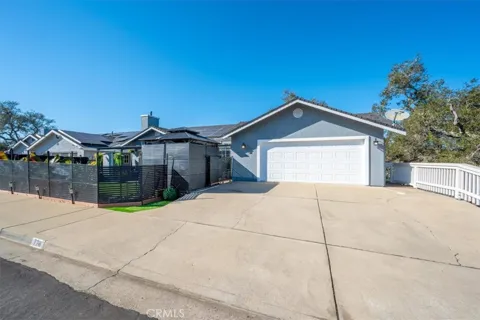
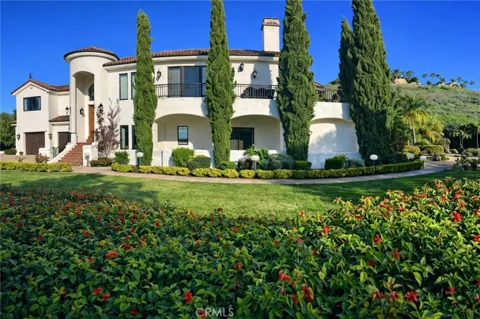
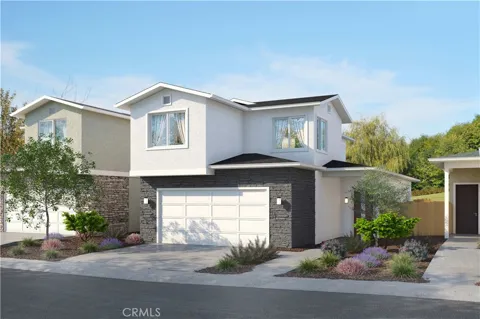
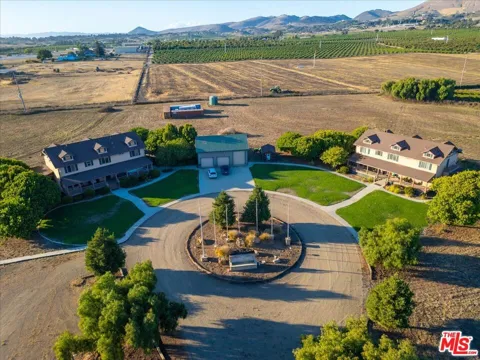
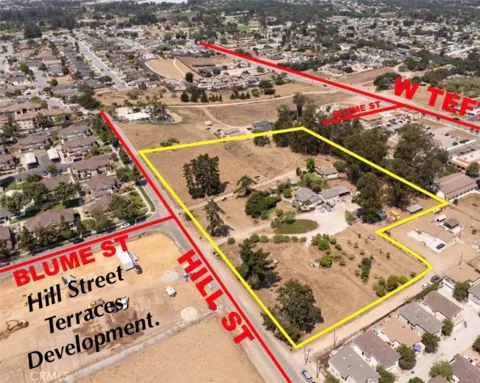
Nipomo is organized around the Nipomo Mesa and the US 101 freeway that splits the community. Neighborhoods east of the highway tend to draw on the town's older, more established streets and the school catchment areas centered on Nipomo Elementary, while areas west of 101 sit closer to the dune country and the coast. The western mesa includes the communities and open land approaching the Guadalupe-Nipomo Dunes, where larger parcels and quieter roads give a more rural feel. Central Nipomo, focused along Tefft Street, holds the town's commercial core, civic buildings, and parks. Residential growth has pushed outward onto the mesa in phases, creating a patchwork of established ranch-style blocks, equestrian properties, and newer planned communities rather than a single dense center.
Life in Nipomo is unhurried and outdoors-oriented. The community keeps a small-town, agricultural identity even as it has grown, and its unincorporated status reinforces a relaxed, county-served pace rather than a polished municipal feel. Daily errands cluster along Tefft Street, while the coast is a defining amenity: the Guadalupe-Nipomo Dunes and the beaches at Pismo and Oceano are minutes away. Residents tend to spend weekends hiking the dune trails, watching birds at Oso Flaco Lake, or making the short drive into Santa Maria or San Luis Obispo for dining and shopping. The blend of ranching heritage, coastal access, and open space gives Nipomo a quiet, family- and retirement-friendly character that feels distinctly removed from the busier beachfront strip to the north.
Nipomo is served by the Lucia Mar Unified School District, the largest school district in San Luis Obispo County, which covers roughly 550 square miles at the county's southern end from Shell Beach to the Santa Maria River. The district operates several elementary schools within Nipomo, including Nipomo Elementary, Dana Elementary, and Dorothea Lange Elementary, whose catchment areas divide roughly along the US 101 corridor. Older students attend secondary schools within the district's broader network, which also serves the neighboring communities of Arroyo Grande, Grover Beach, and Oceano. The district's size gives Nipomo families access to a wide range of programs and facilities across the South County while retaining neighborhood elementary schools close to home.
Nipomo's transportation story centers on US 101, which passes directly through the community and provides the primary north-south connection along the Central Coast. From Nipomo, Santa Maria lies a short drive to the south, while Pismo Beach, Arroyo Grande, and San Luis Obispo sit to the north. California State Route 1 runs roughly five miles to the west, offering the coastal route through Oceano and up the shoreline, and Tefft Street serves as the main east-west access between the freeway and the mesa. The area is fundamentally car-dependent, with commuting oriented toward Santa Maria, San Luis Obispo, and the employment centers of the South County. Regional air service is available at the San Luis Obispo County Regional Airport to the north and Santa Maria Public Airport to the south.
The Guadalupe-Nipomo Dunes are the signature outdoor resource, stretching along the coast west of town as one of the largest remaining coastal dune systems in California. The 2,553-acre Guadalupe-Nipomo Dunes National Wildlife Refuge, together with Rancho Guadalupe Dunes County Park and Oso Flaco Lake Natural Area, protects a landscape of shifting sand, wetlands, and rare coastal habitat used for hiking, wildlife watching, and quiet beach access. The Dunes Center in nearby Guadalupe interprets the area's natural and cultural history, including the legacy of the dunes' role in early filmmaking. Within Nipomo itself, neighborhood parks, ballfields, and open space on the mesa provide everyday recreation, while the beaches of Pismo Beach and Oceano are a short drive for surf, fishing, and shoreline walks.
MARKET SNAPSHOT
How homes have been selling here over the last 90 days.
Market data reflects closed sales over the last 90 days and is provided for informational purposes.
BROWSE BY ZIP
Browse listings by postal code in this area.