Olmsted-Planned Coastal City
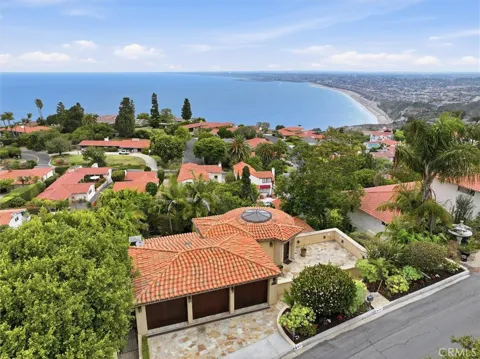
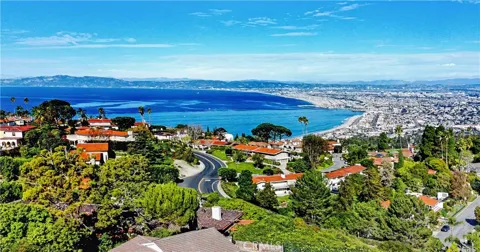
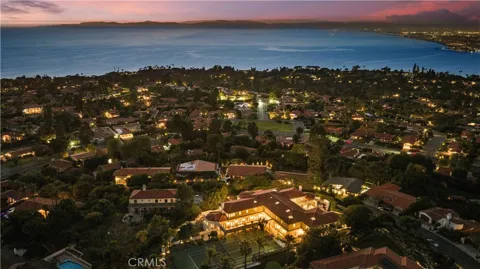
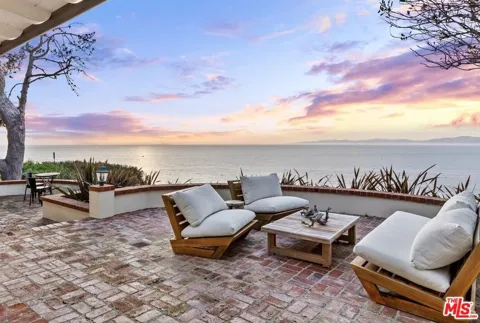
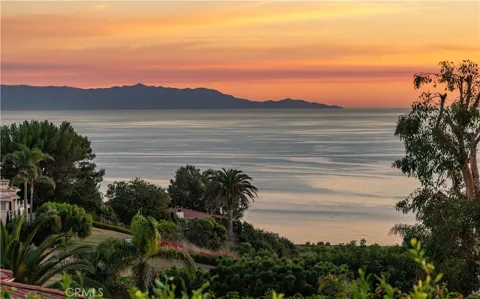
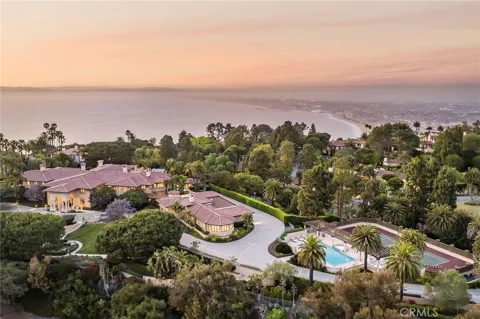
Welcome to Palos Verdes Estates, a master-planned oceanfront city on the Palos Verdes Peninsula, designed by landscape architect Frederick Law Olmsted Jr. and framed by coastal bluffs and the Pacific Ocean.
Palos Verdes Estates occupies a dramatic stretch of coastline on the Palos Verdes Peninsula in southwestern Los Angeles County, about 26 miles from downtown Los Angeles. The city was one of the country's first comprehensively planned communities, laid out under the direction of Frederick Law Olmsted Jr., the noted landscape architect and planner. Subdivision and construction of its first Spanish-style homes began in the early 1920s, when banker Frank Vanderlip and his associates set out to develop the former Rancho de los Palos Verdes as a carefully designed residential enclave. That early planning established a cohesive visual identity—Mediterranean-inspired architecture, terraced lots, and preserved open space—that the city continues to protect today through its Homes Association and Art Jury. The community is widely regarded as one of the most affluent and exclusive residential areas in the Los Angeles region, with a population of roughly 13,000 spread across a low-density landscape of ocean-view streets and bluff-top homes. Neighboring cities on the peninsula—Rolling Hills, Rolling Hills Estates, and Rancho Palos Verdes—form a distinct coastal enclave separated from the denser Los Angeles basin by the peninsula's rolling hills and canyons. Palos Verdes Estates combines a quiet, residential atmosphere with direct access to the ocean. Its coastline is defined by cliffs, coves, and tide pools rather than broad sandy beaches, which contributes to the area's secluded, retreat-like character. The city's civic life is organized around its neighborhoods, its highly regarded school district, and a strong tradition of architectural stewardship that has kept the original design intent intact for a century. For residents, the appeal lies in the combination of coastal privacy, estate-scale homes, and preserved natural areas—all within commuting distance of the Los Angeles economy. The peninsula's topography keeps the city removed from freeway noise and urban density, while the Palos Verdes Nature Preserve and bluff-top trails provide a daily connection to the ocean and native coastal sage scrub habitat.
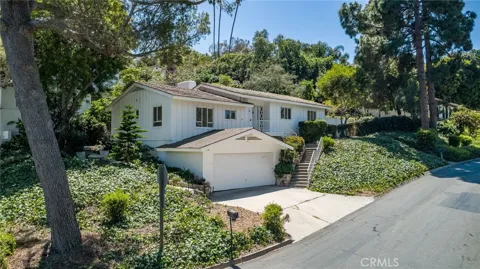
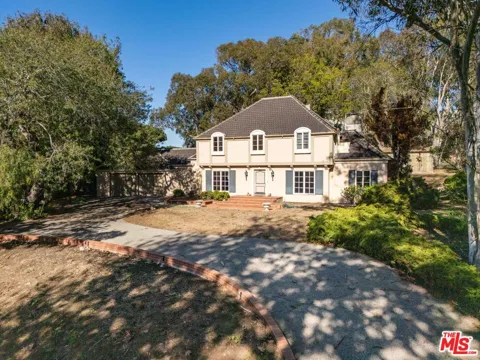
Palos Verdes Estates is in Los Angeles County, California. It sits on the Palos Verdes Peninsula along the Pacific Ocean coastline, about 26 miles southwest of downtown Los Angeles, neighboring the cities of Rolling Hills, Rolling Hills Estates, and Rancho Palos Verdes.
The Palos Verdes Peninsula Unified School District serves Palos Verdes Estates along with the neighboring cities of Rolling Hills, Rolling Hills Estates, and Rancho Palos Verdes. The district operates 18 schools serving roughly 10,000 students.
Key neighborhoods include Malaga Cove, anchored by the historic Malaga Cove Plaza; Lunada Bay, a bluffside area known for oceanfront estates; and Montemalaga, an inland section with hillside and canyon settings. Each shares the city's Mediterranean Revival architectural character.
Palos Verdes Estates was master-planned by Frederick Law Olmsted Jr., a noted American landscape architect and planner. Subdivision and construction of the first Spanish-style homes began in the early 1920s, establishing the city's enduring Mediterranean character.
City Guide
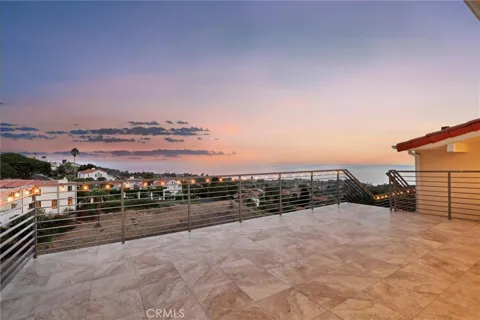
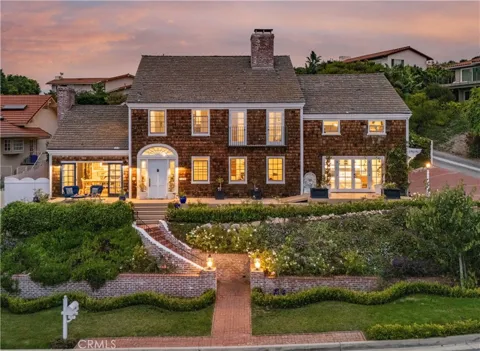
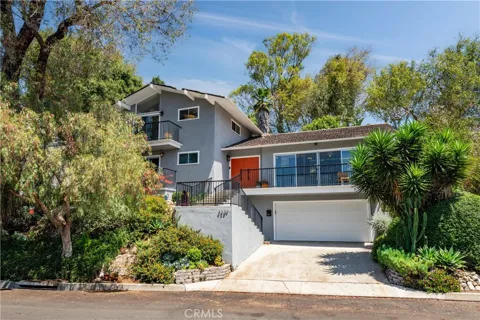
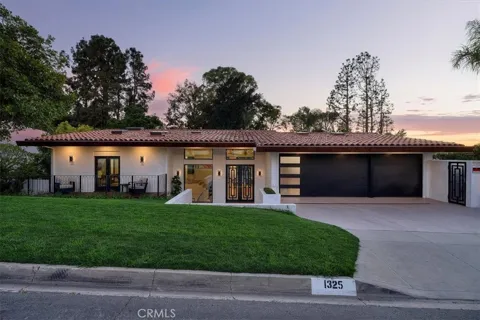
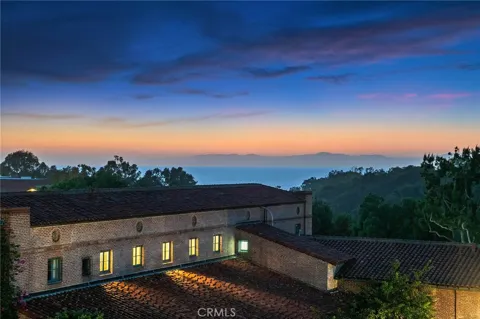
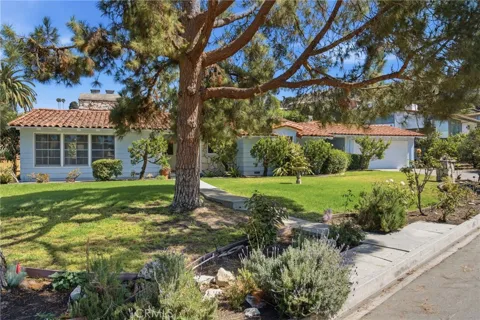
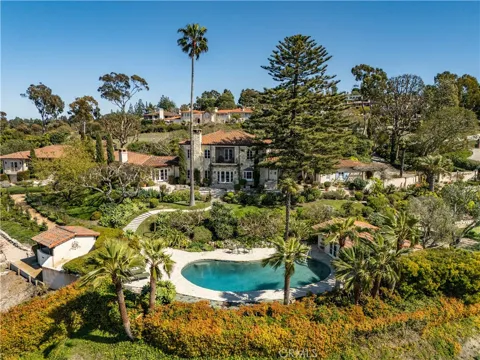
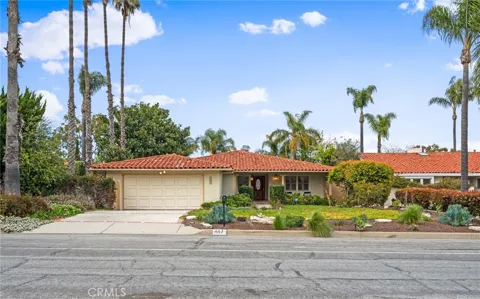
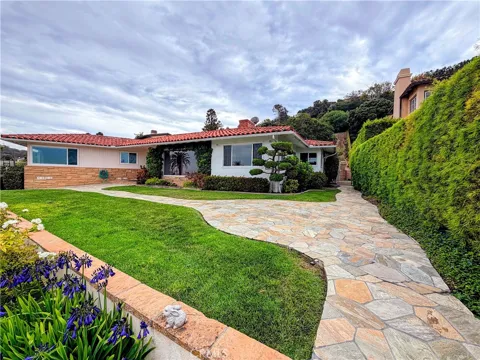
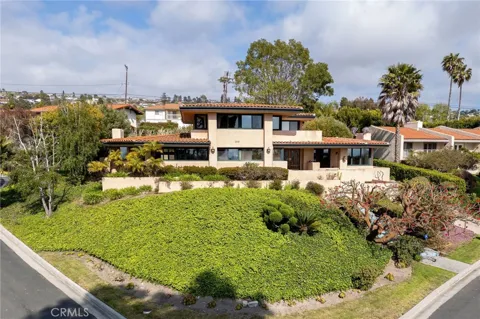
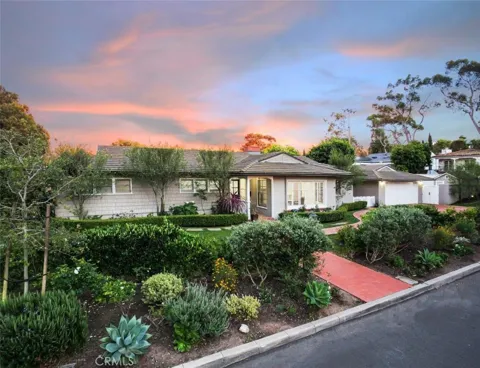
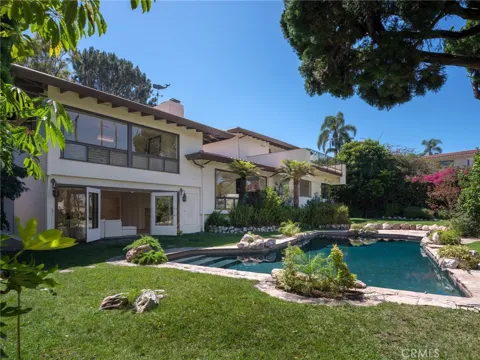
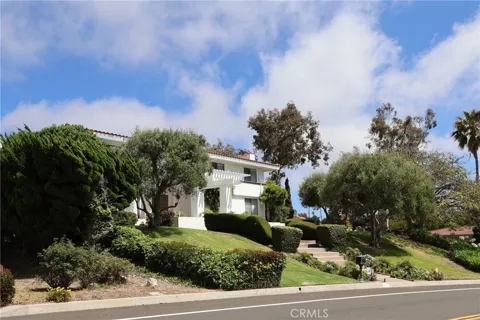
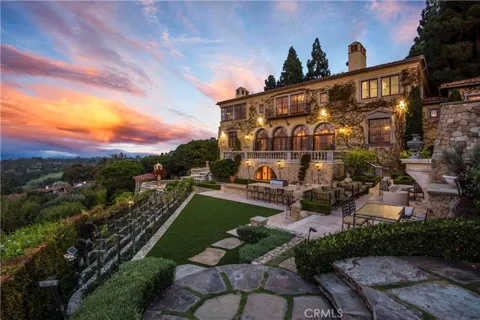
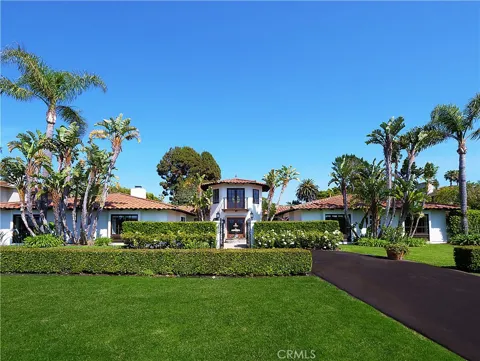
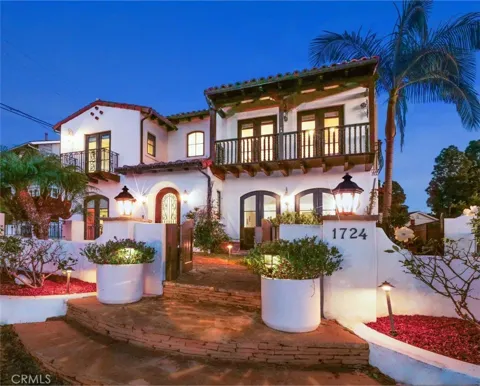
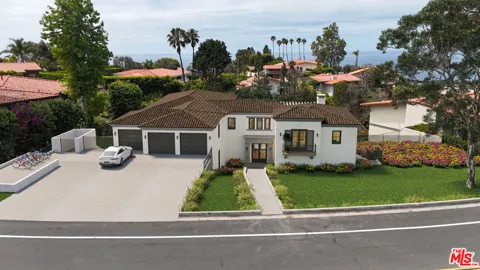
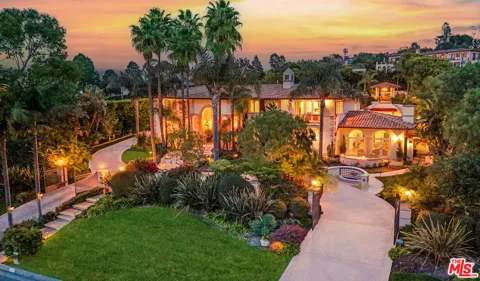
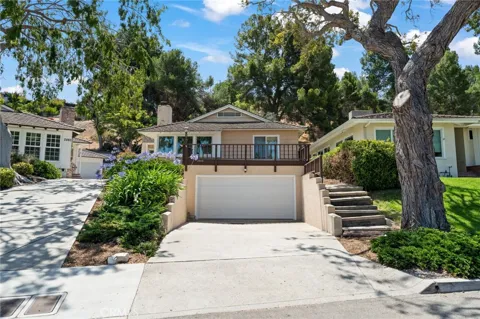
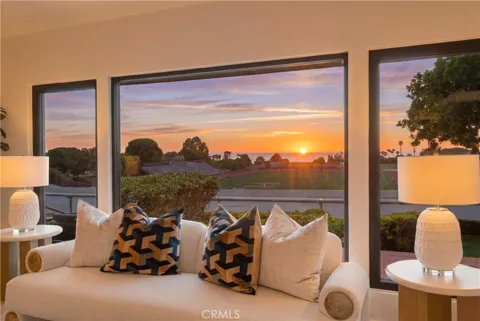
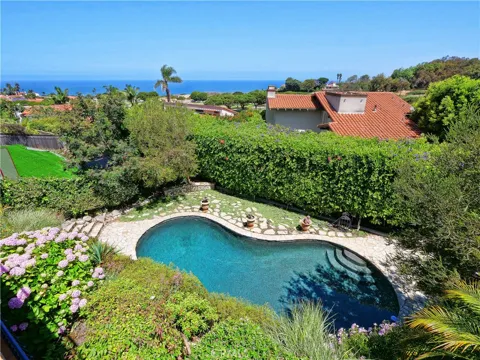
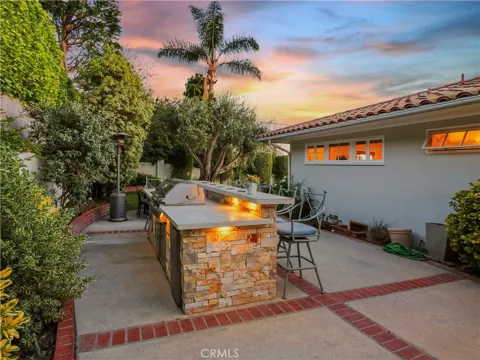
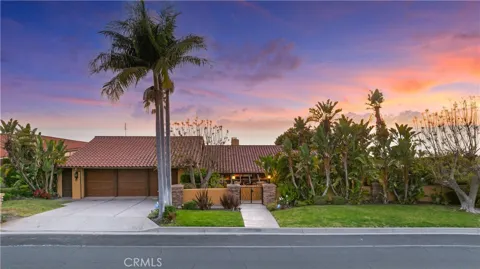
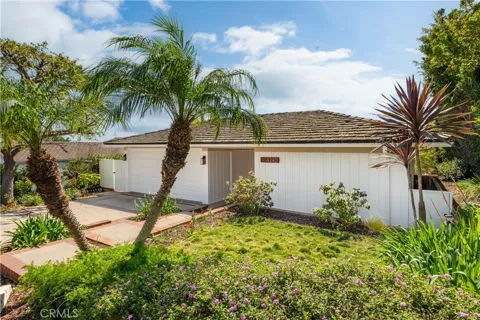
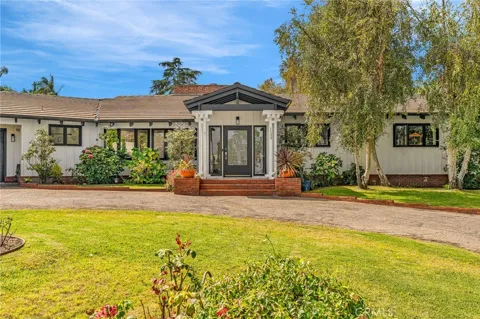
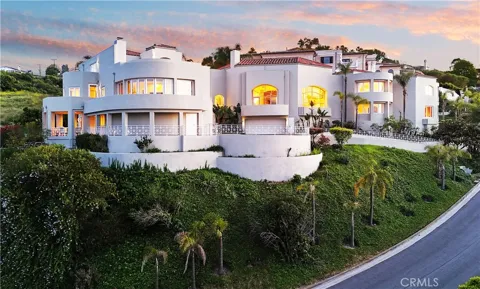
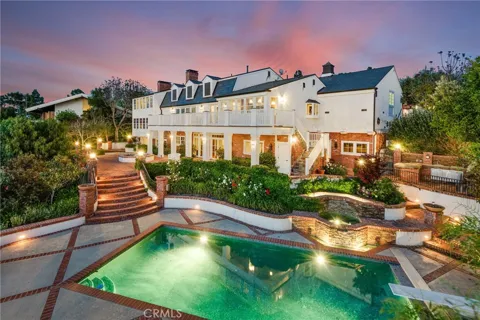
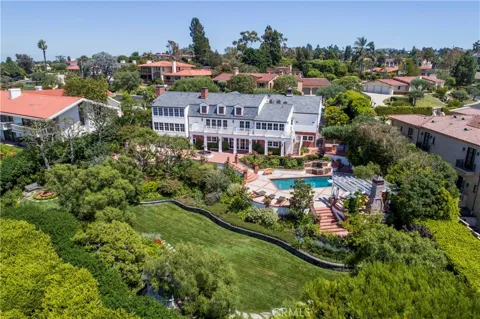
Palos Verdes Estates is defined by an architectural heritage established at its founding. The earliest homes set a Spanish and Mediterranean Revival character that remains the city's signature, with red-tile roofs, stucco walls, courtyards, and ornamental detailing. Civic landmarks such as Malaga Cove Plaza and the La Venta Inn helped establish this design language, and the city's Art Jury continues to review construction to preserve its cohesive aesthetic. Homes are predominantly single-family residences on terraced or bluff-side lots, many with ocean or coastline views, and the low-density, deed-protected character keeps the housing stock distinctive and architecturally consistent rather than marked by large-scale redevelopment.
The city's neighborhoods each carry a distinct personality while sharing the peninsula's Mediterranean character. Malaga Cove, anchored by the historic Malaga Cove Plaza, is among the earliest developed areas and retains a strong sense of the city's original planning. Lunada Bay sits on a bluff with oceanfront estates, its own commercial corner, and direct views over the Pacific. Montemalaga and other inland sections offer hillside and canyon settings with mature landscaping and terraced lots. Throughout, tree-lined streets and controlled architectural review preserve a uniform, estate-like quality that distinguishes Palos Verdes Estates from neighboring coastal communities.
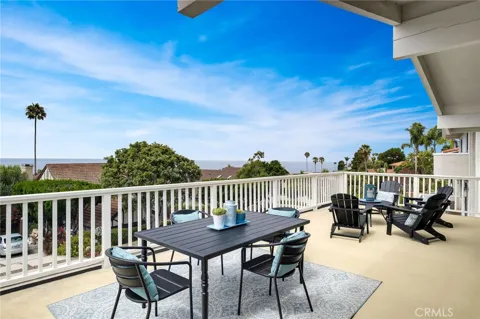
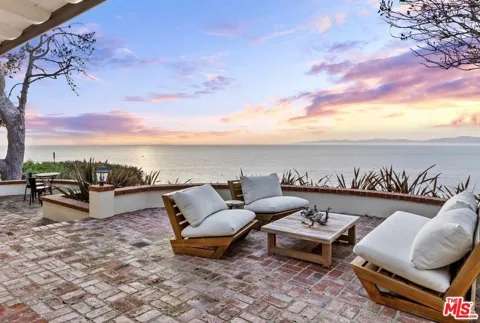
Life in Palos Verdes Estates is quiet, private, and oriented toward the coast. Residents gather around the village-scale shopping and dining at Malaga Cove Plaza and nearby centers, while the city's beaches and bluff trails provide a daily connection to the ocean. The community's affluence and exclusivity are balanced by a strong civic culture, with the Palos Verdes Homes Association and Art Jury playing a central role in preserving the built environment. Surfing, coastal walks, and tide-pool exploration at Bluff Cove are part of everyday recreation, and the peninsula's separation from the urban basin lends it a calm, retreat-like atmosphere despite its Los Angeles County address.
Public schools in Palos Verdes Estates are part of the Palos Verdes Peninsula Unified School District, a top-rated district headquartered in the city and serving all four peninsula communities. The district, which traces its origins to a 1925 elementary district, now operates 18 schools and serves roughly 10,000 students from pre-kindergarten through grade 12. Its strong academic reputation is a central factor for families choosing the peninsula. The district's campuses are distributed across Palos Verdes Estates, Rolling Hills, Rolling Hills Estates, and Rancho Palos Verdes, tying the city closely to its neighbors through shared education.
Palos Verdes Estates is connected to the rest of the Los Angeles basin by a network of surface corridors, with Palos Verdes Drive and Hawthorne Boulevard providing the primary routes off the peninsula toward the Harbor (110) and San Diego (405) freeways. The city sits about 26 miles southwest of downtown Los Angeles, and commuting generally relies on automobiles given the peninsula's topographic separation and low density. Los Angeles International Airport lies roughly a 30-minute drive to the north across the Palos Verdes hills, placing the city within convenient reach of air travel while retaining its quiet, removed setting.
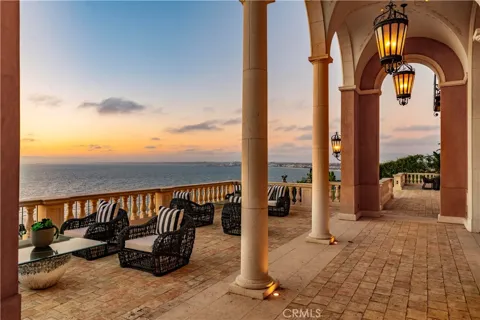
The coastline is the center of recreation in Palos Verdes Estates. Bluff Cove is known for its tide pools and a surf break, while Pelican Cove Park and Vincente Bluffs offer panoramic ocean views. The Palos Verdes Shoreline Park and Malaga Cove Trail follow the cliff line, and the historic Point Vicente Lighthouse marks the peninsula's western headland. Inland, the Palos Verdes Nature Preserve and its trail network—including the Sagebrush, Gnatcatcher, and Catalina trails—extend through restored coastal sage scrub habitat across the peninsula. This combination of shoreline access, bluff-top paths, and protected open space gives residents an outdoor lifestyle unusual even for coastal Southern California.
MARKET SNAPSHOT
How homes have been selling here over the last 90 days.
Market data reflects closed sales over the last 90 days and is provided for informational purposes.
BROWSE BY ZIP
Browse listings by postal code in this area.