Silicon Valley Foothill Town
Welcome to Saratoga, a Santa Clara County foothill city framed by the Santa Cruz Mountains and known for its wineries, gardens, and highly regarded schools.
Saratoga occupies a wooded, hillside setting in the western reaches of Santa Clara County, where the Santa Clara Valley begins to climb into the Santa Cruz Mountains. The city sits directly west of San Jose and south of Cupertino, placing it within Silicon Valley while keeping a foothill, semi-rural character that sets it apart from the valley's denser tech corridors. Its population of roughly 31,000 lives across about 13 square miles of residential streets, hillside lots, and preserved open space. The area's story begins as part of the "Valley of Heart's Delight," when Santa Clara County was blanketed in orchards and farmland. Saratoga later developed a reputation as a resort and retreat in the late 1800s, when mineral springs and the scenic hills drew visitors from San Jose and beyond, and the railroad carried excursionists into town. Much of the surrounding orchard land was converted to housing through the mid-20th century, and the city incorporated in 1956. Today Saratoga retains visible links to that past in its surviving Victorian and early-20th-century homes, several of which are listed on the National Register of Historic Places. Modern Saratoga is an affluent, primarily residential community whose residents include many professionals and executives working across Silicon Valley's technology industry. The city has deliberately maintained a low-density, tree-covered character, with strict limits on commercial growth and a downtown that remains small and village-like. Its cultural life centers on wine, gardens, and the arts, anchored by institutions like the Hakone Estate and Gardens, the Montalvo Arts Center, and The Mountain Winery. For homebuyers, Saratoga offers a combination that is rare in the Bay Area: foothill privacy and open space within a short commute of major tech employers, alongside one of the region's most sought-after school systems. It suits those who value established neighborhoods, large lots, and a quiet, culturally refined setting more than urban convenience or new construction.
Saratoga is in Santa Clara County, California, at the western edge of Silicon Valley where the Santa Clara Valley rises into the Santa Cruz Mountains. The city lies west of San Jose and south of Cupertino.
Saratoga is served by two districts. The Saratoga Union School District handles elementary and middle school, while the Los Gatos-Saratoga Joint Union High School District serves high school students, anchored by the highly regarded Saratoga High School.
Saratoga is known for its wineries, gardens, and cultural venues. Notable landmarks include Hakone Estate and Gardens, one of the oldest Japanese gardens in the Western Hemisphere, the Montalvo Arts Center, and The Mountain Winery, a hilltop concert and tasting venue.
Downtown San Jose is roughly 12 to 15 miles east of Saratoga, while San Francisco is about 50 miles to the north. State Route 85 runs along the city's eastern edge, connecting to the broader Bay Area freeway network.
Saratoga sits directly adjacent to San Jose and near Cupertino, so many major technology campuses are within a short drive. Most residents commute by car via State Route 85, Saratoga Avenue, or Saratoga-Sunnyvale Road, with travel times varying with Bay Area traffic.
City Guide
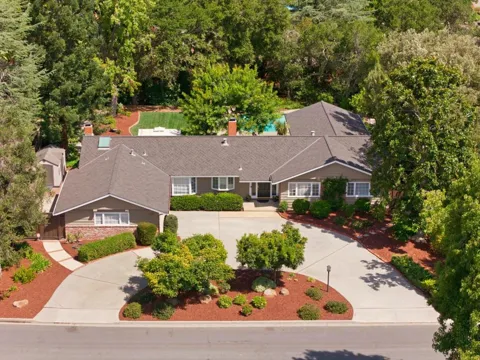
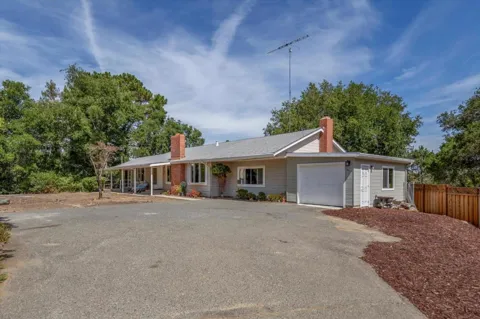
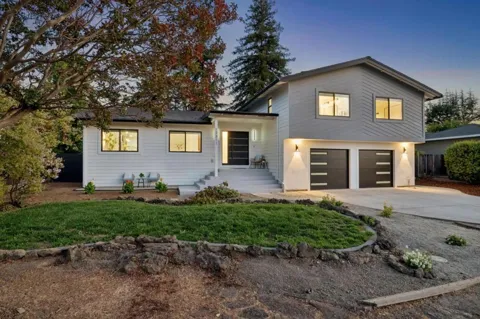
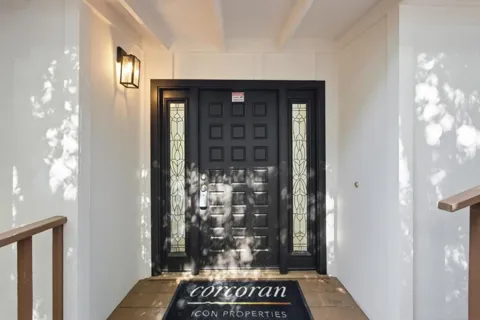
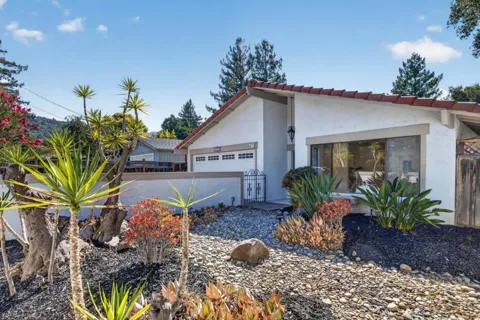
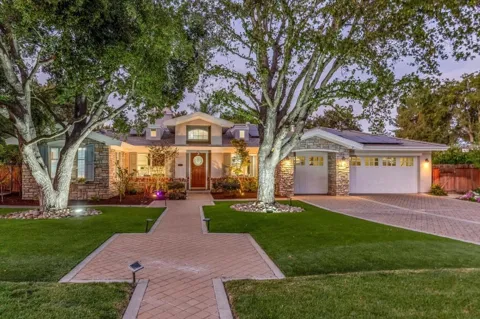
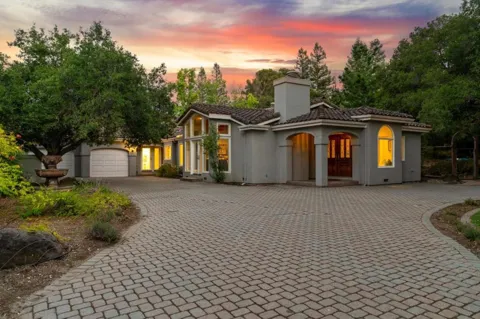
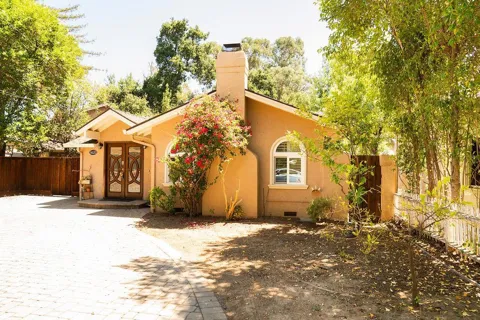
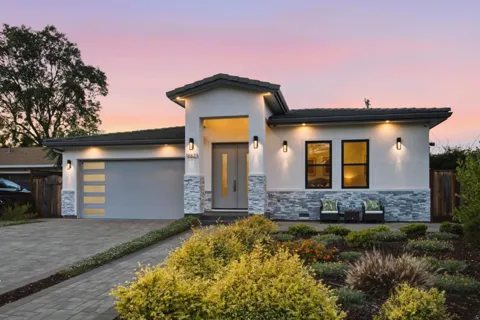
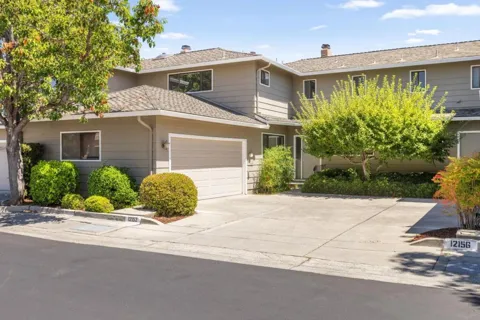
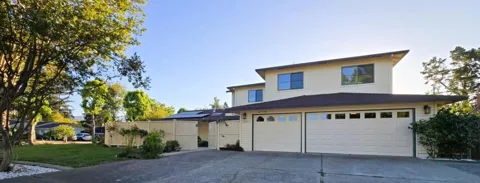
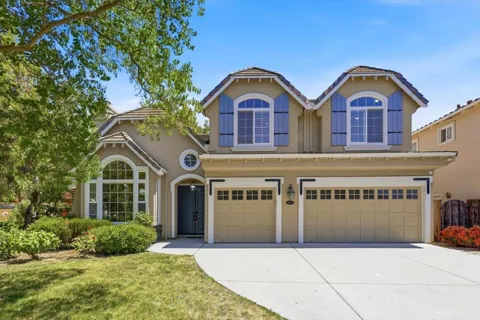
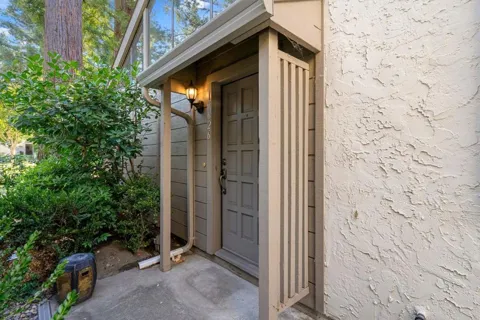
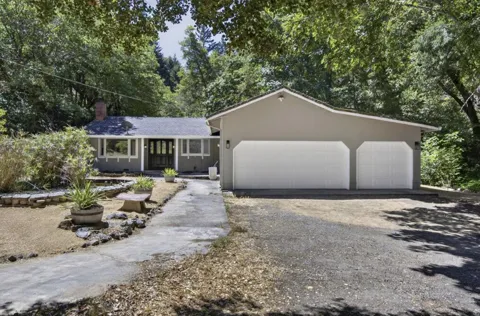
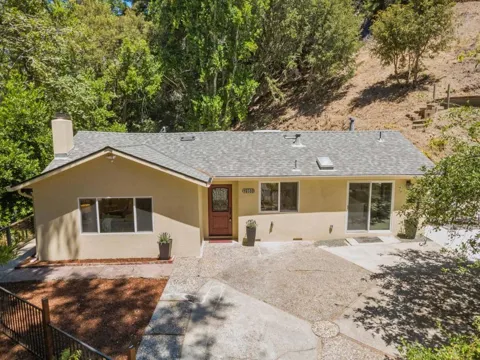
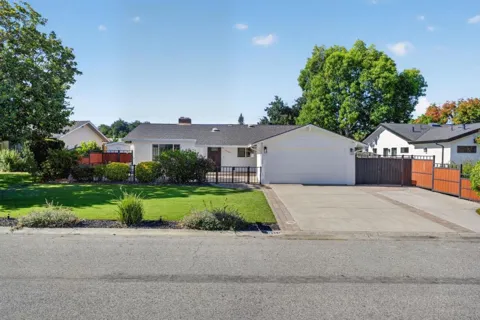
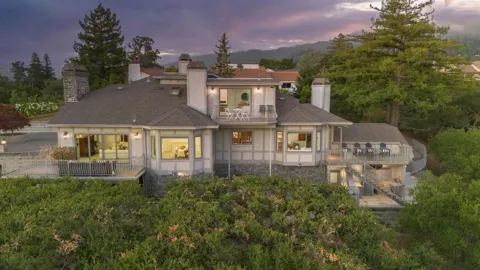
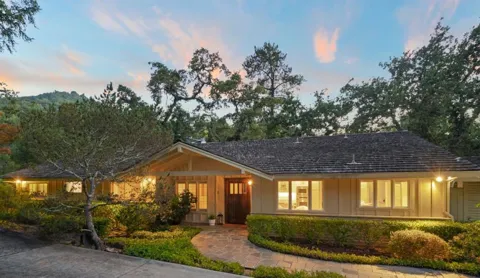
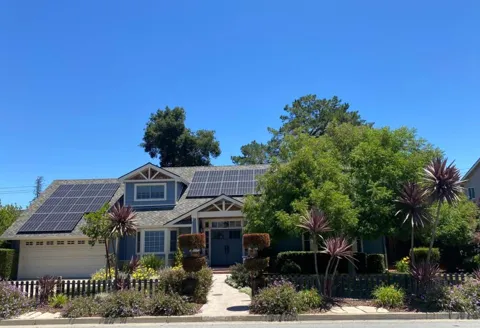
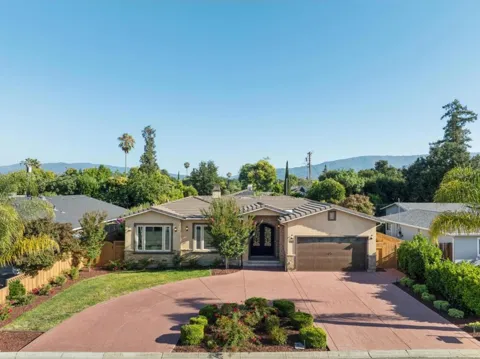
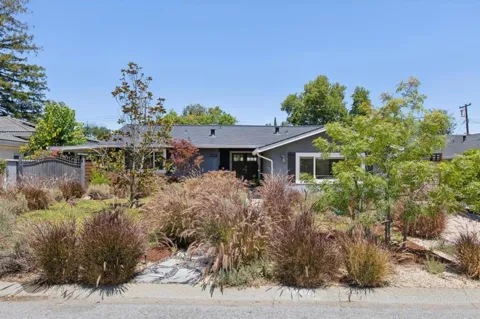
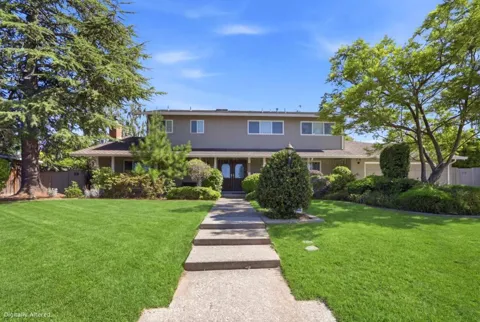
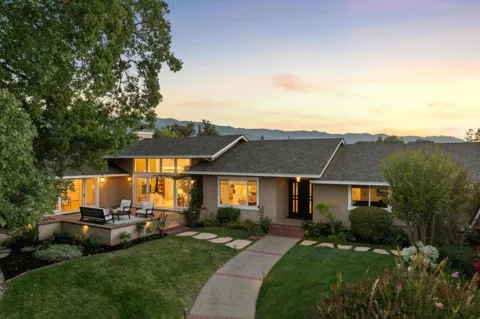
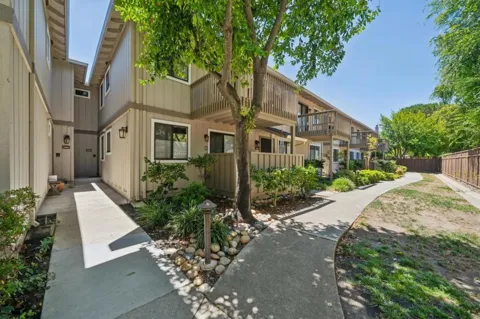
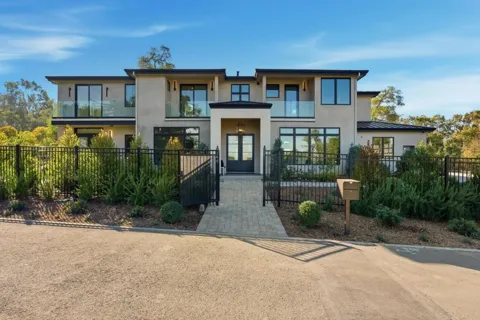
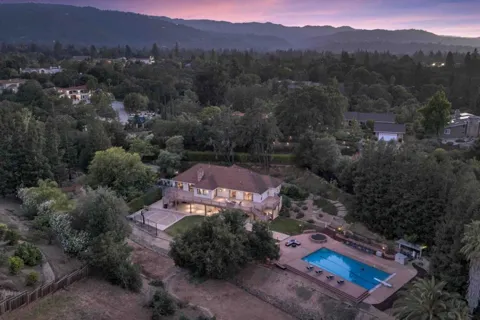
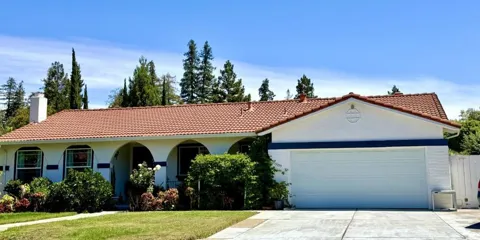
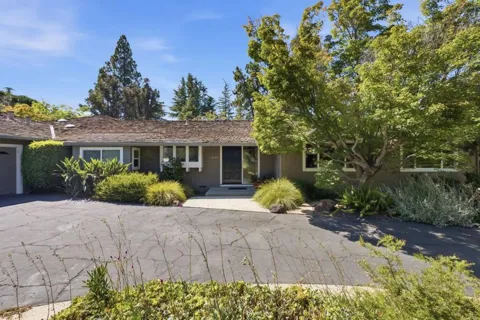
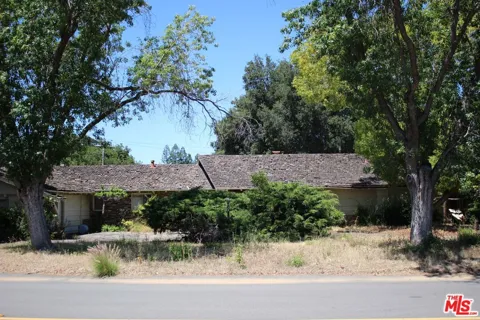
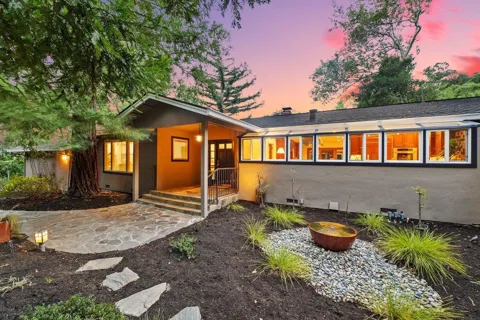
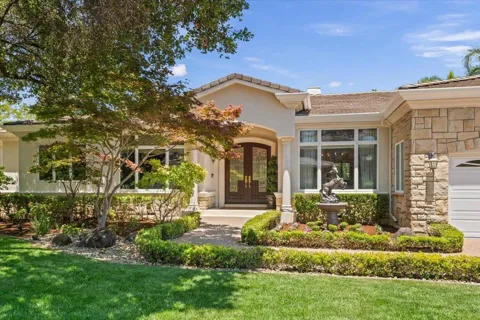
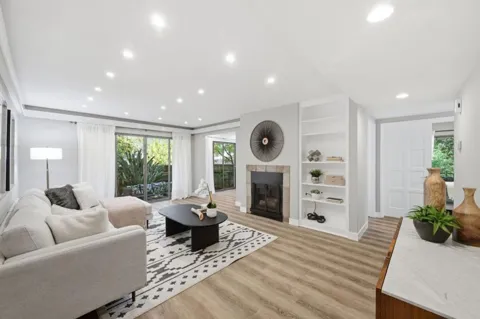
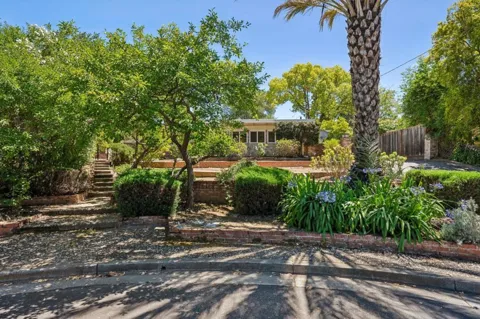
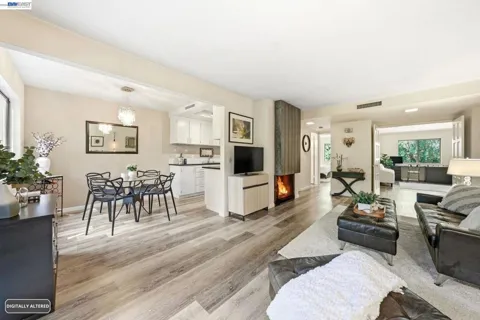
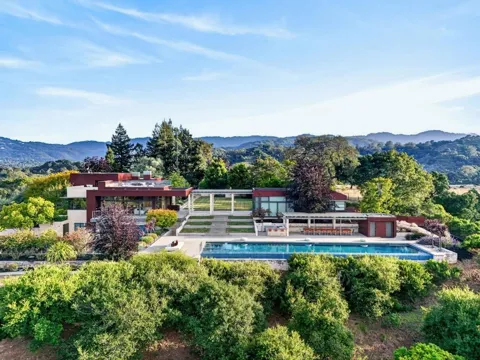
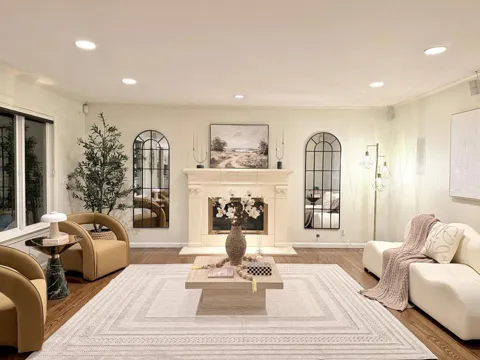
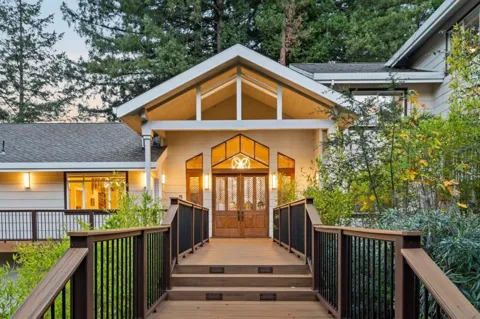
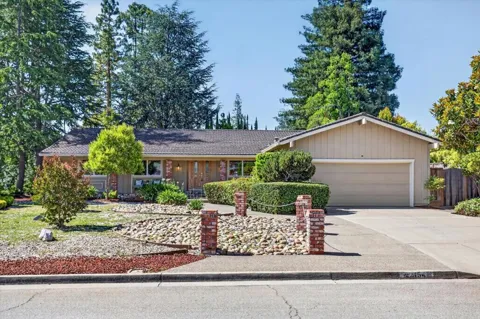
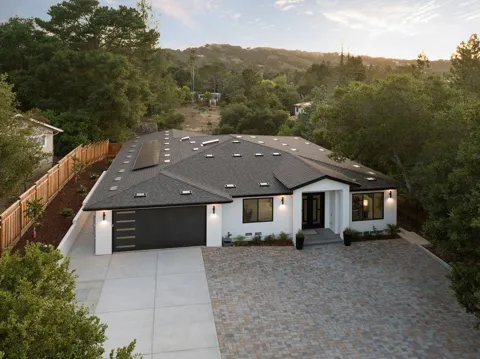
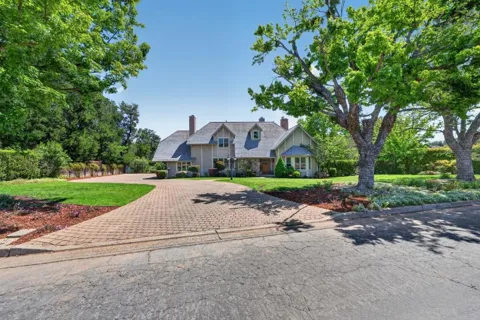
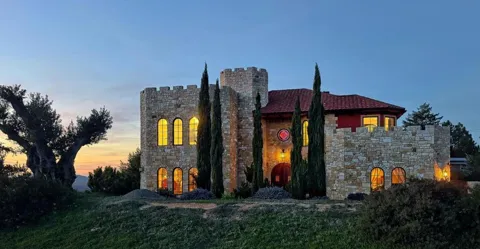
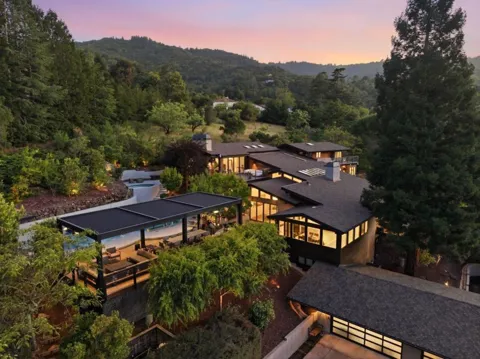
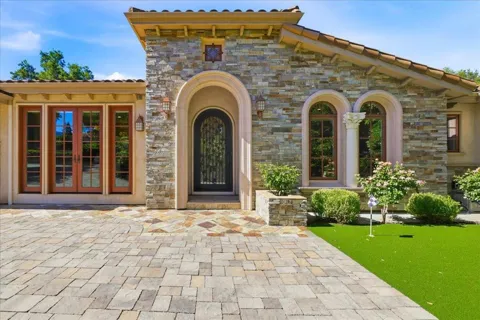
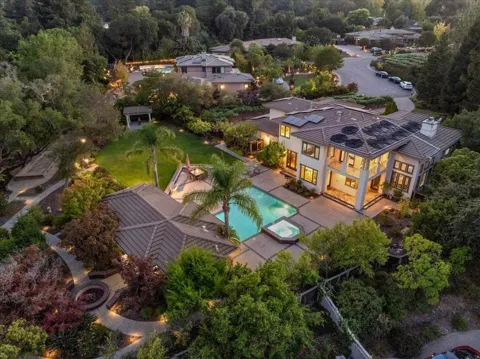
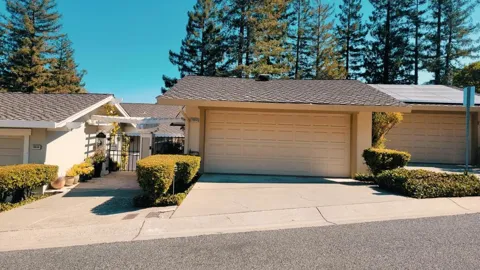
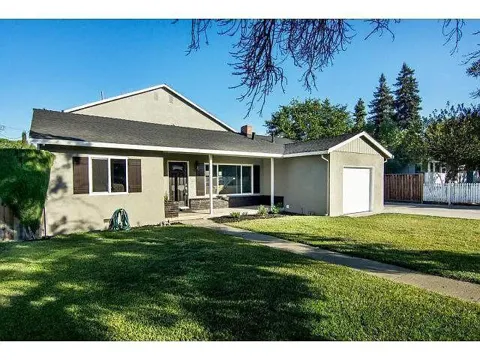
Saratoga's housing stock is defined by established, often expansive homes on generous lots rather than dense tract development. The city's 13 square miles include hillside properties with valley views, estate-style residences, and a notable collection of historic and architecturally distinctive homes, some dating to the mid-19th century. Several are listed on the National Register of Historic Places, reflecting the city's orchard-era and resort-era origins. Builders converted much of the former orchard land into suburban neighborhoods from the 1960s onward, so the predominant housing runs toward mid-century ranch and larger custom homes, with more recent construction and remodels layered on top. Because the city limits commercial development and values its wooded, low-density character, new supply is constrained, and the market skews toward established, high-quality homes. Buyers here are typically trading for lot size, school quality, and foothill ambiance, and should expect a competitive, well-heeled market rather than entry-level inventory.
Saratoga is organized into a collection of named neighborhoods and subdivisions, each with its own character. The Golden Triangle, near the city's center, is among the most recognized for its location and schools, while the Platinum Triangle refers to another sought-after pocket of large homes. Blue Hills, Prides Crossing, and Fruitvale carry names that nod to the area's orchard and hillside history, and The Vineyards and Saratoga Oaks evoke the wine-country and wooded setting. Farther up the slopes, neighborhoods such as Parker Ranch and Montewood occupy larger, often hillier lots with views toward the Santa Clara Valley. This variety means Saratoga ranges from relatively flat, established streets near the village to winding, hillside roads tucked into the Santa Cruz Mountain foothills. For buyers, the distinctions among neighborhoods often come down to lot topography, view orientation, and proximity to either the downtown village or the open-space preserves that ring the city.
Saratoga's lifestyle is refined, outdoors-oriented, and quietly cultural. The compact downtown, known as the Saratoga Village, holds a small collection of shops, restaurants, and services rather than a large retail district, reinforcing the city's deliberate small-town scale. Dining and wine tasting are central to local life, with the area's cooler foothill climate supporting a cluster of wineries, including Cinnabar, Cooper-Garrod, and Savannah-Chanelle, alongside The Mountain Winery's hilltop tasting room and concert series. Culture is anchored by two landmark institutions. Hakone Estate and Gardens is one of the oldest Japanese gardens in the Western Hemisphere, offering historic gardens, koi ponds, and cultural events, while the Montalvo Arts Center occupies a Mediterranean-style villa set amid landscaped grounds and hosts performances and artist residencies. The Mountain Winery draws summer concert crowds to its open-air venue overlooking the valley. Combined with the surrounding open-space trails, Saratoga offers a lifestyle built around gardens, live music, wine country, and the outdoors.
Saratoga's schools are a central reason families choose the city. Elementary and middle school students attend the Saratoga Union School District, which operates schools including Saratoga Elementary, Argonaut Elementary, and Redwood Middle School. High school students are served by the Los Gatos-Saratoga Joint Union High School District, anchored by Saratoga High School, which is consistently recognized among the strongest public high schools in the state. The districts are comparatively small and closely tied to their communities, with strong parent involvement and academic expectations that reflect the city's professional, education-focused population. This school reputation is a significant driver of the local housing market, as families frequently relocate specifically for access to the district. Prospective residents should confirm current attendance boundaries and enrollment requirements with the districts, as assignments can vary by neighborhood within the city.
Saratoga's location gives residents convenient access to the heart of Silicon Valley while retaining a foothill setting. The city is bordered by San Jose to the east and Cupertino to the north, placing major technology campuses within a short drive. State Route 85 runs along Saratoga's eastern edge, providing a fast north-south link to the Highway 101 and Interstate 280 corridors, while Saratoga Avenue and Saratoga-Sunnyvale Road connect the city toward Cupertino, Sunnyvale, and San Jose. The city itself has no rail station, so most commuters travel by car, a reality common across the low-density western Santa Clara Valley. Downtown San Jose lies roughly 12 to 15 miles to the east, San Francisco about 50 miles north, and San Jose International Airport is the nearest major airport, reachable in under half an hour outside peak hours. Commute times vary considerably with Silicon Valley traffic, and many residents also work remotely or in nearby office clusters along the 85 and 280 corridors.
Recreation in Saratoga leans heavily on the Santa Cruz Mountains that rise behind the city. Sanborn County Park offers redwood-shaded camping, picnic areas, and a network of hiking trails, while the Fremont Older Open Space Preserve and Castle Rock State Park extend the trail system into the surrounding ridgelines and rock formations. Saratoga Quarry Park provides a local, family-oriented outdoor space, and nearby Vasona Lake County Park in Los Gatos adds boating and lakeside paths. Culturally, Hakone Estate and Gardens invites visitors through its historic Japanese gardens and annual festivals, and the Montalvo Arts Center's grounds are open for walking when not hosting performances. The Mountain Winery combines recreation with culture, pairing wine tasting with a renowned summer concert series on a hillside stage above the valley. For those who want more, Saratoga sits minutes from the broader cultural and recreational offerings of the South Bay while keeping its own doorstep trails and gardens.
MARKET SNAPSHOT
How homes have been selling here over the last 90 days.
Market data reflects closed sales over the last 90 days and is provided for informational purposes.
BROWSE BY ZIP
Browse listings by postal code in this area.